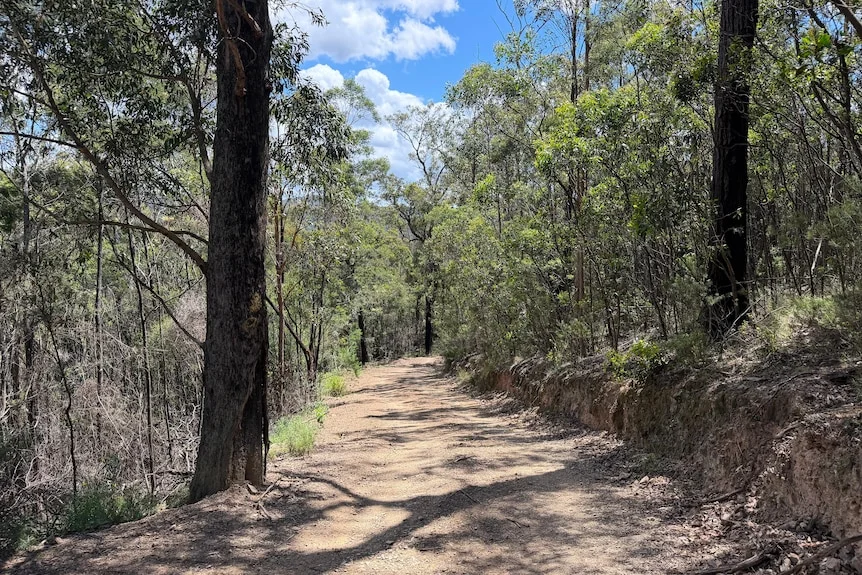
Rescuers are less surprised by what William did than by how consistently he did it. The 17-year-old spent six days alone in dense Victorian bushland, and the choices that kept him alive were the dull, disciplined ones that most adults skip when they panic.
William disappeared on November 6 while camping with a friend at Walhalla East, close to 200 kilometres east of Melbourne. It was his first camping trip without an adult supervising. His surname hasn't been released.
What followed was a near week-long ordeal in some of the state's roughest country. Days were hot, nights dropped to bitter cold, and he had little food, almost no gear and no real shelter.
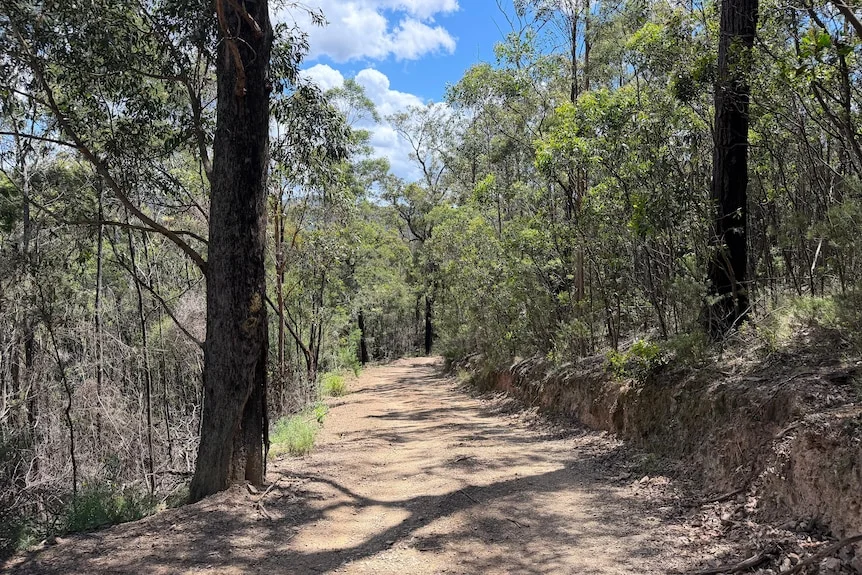
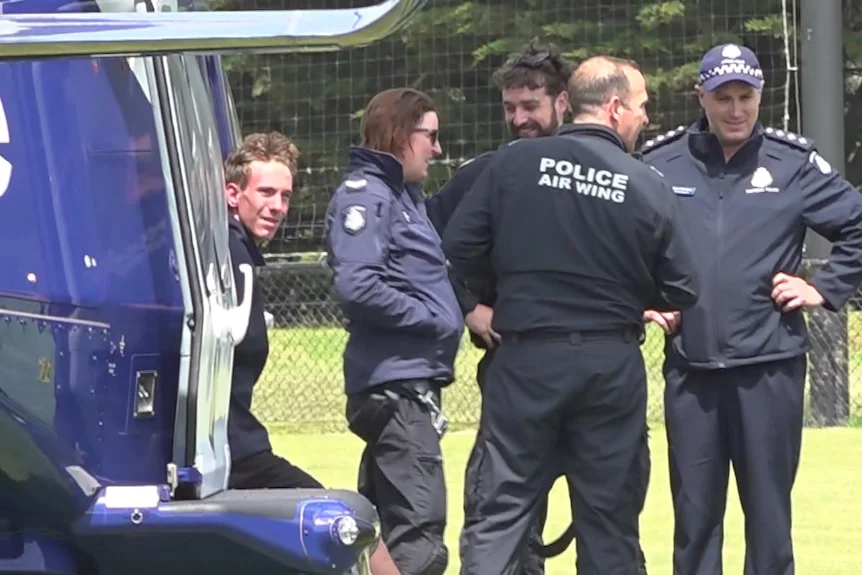
Searching this terrain was hard going. Emergency crews worked through hundreds of kilometres of thick scrub, and the conditions soon pushed them into the air. Helicopters became the main tool for covering ground that couldn't be reached on foot.
Boring decisions, done well
Here's the thing: William's survival doesn't come down to luck alone. He made a series of decisions that look simple on paper and are surprisingly hard to execute when you're frightened and alone.
He rationed his food, reportedly making a single packet of chicken chips last. He kept drinking water, wrapped himself in blankets at night, and stayed in one spot where search crews could see him. He also sang to keep his spirits up, choosing John Denver's Take Me Home, Country Roads.
Simin Ngan, co-convener of Bush Search and Rescue Victoria, said he "definitely" made calm, collected choices.
"Given the level of experience he had in the bush, he did absolutely what was appropriate and the best thing to do," Ms Ngan said.
"It was the best he could do with the resources he had."
She singled out two basics: staying warm and staying hydrated. She also pointed to something less obvious. William recognised the limits of his own experience and didn't push on through unfamiliar terrain when he wasn't sure how to navigate it.
"I think that was a key factor in his own survival," she said.
Gordon Dedman, a senior instructor with Bushcraft Survival Australia, made the same point from the teaching side. Panic drives people to keep walking, and walking is what gets lost people harder to find.
"He's kept his wits about him. He's done exactly the right thing."
Mr Dedman said the instinct to keep moving is one of the most dangerous in an emergency. "That makes it hard for rescue teams to find them," he said. Food was less pressing than most people assume, since the human body can go a long way without it. A lone person under dense canopy is the real problem for searchers, and William's proximity to a river helped crews narrow their focus.
The cost on the other side of the search
For the rescuers, the six days were grinding. State Emergency Service teams put in 120 shifts between them, supporting Victoria Police and other agencies throughout the hunt.
Maureen Russell, the SES deputy incident management commander, said the pressure was constant. Crews were determined not to miss anything.
"It's a very important role. And of course, our biggest goal was to find William in the shortest possible time."
"There was a bit of anxiety, a heightened [sense] of 'we have a job to do and we want to do it well', because we didn't want to miss anything," Ms Russell said.
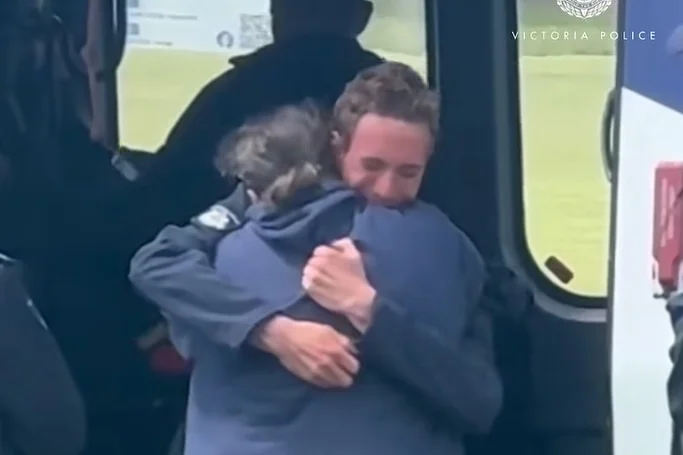
When William was finally located, relief arrived in a rush, and it took a few moments to register. "It was a little bit on the emotional side. A few minutes where we weren't quite sure what was happening," she said. The result sank in once the helicopter touched down and his mother was escorted out to meet him.
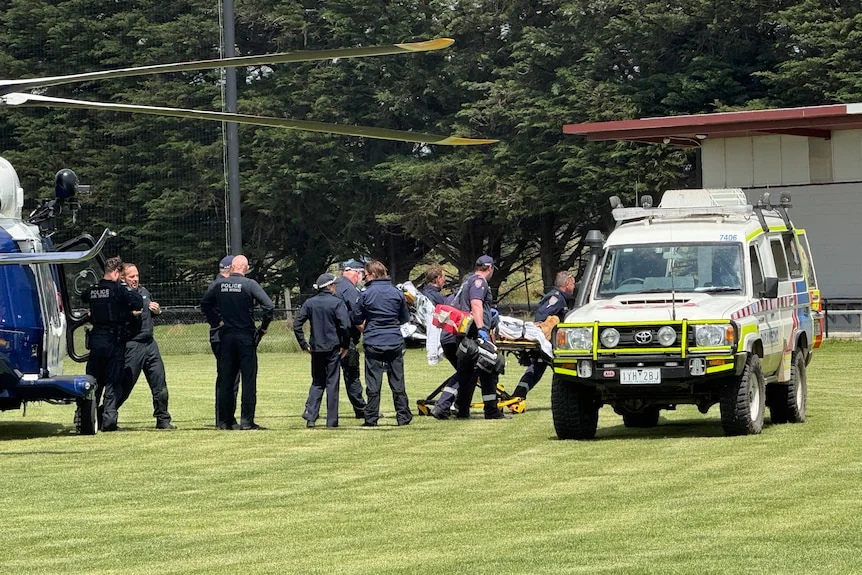
William is in hospital recovering from dehydration, a possibly damaged windpipe and low blood pressure. He's doing well.
The lesson here isn't really about a teenager's bravery. It's about the unglamorous discipline of staying put, conserving water and trusting that someone is looking. Anyone heading into rough country for the first time should take that seriously, and the next search team will likely be glad the lesson was learned before it was needed.


