Why Darwin's Drink Spiking Numbers Likely Undercount the Problem
2026-11-19 21:10
699 views
Few drink spiking cases reach Darwin's SARC or police, but stigma and memory blackouts mean the real figure is likely far higher. Speaking up matters.
A steady trickle that's probably a fraction of the real number
Roughly one person a fortnight walks into the Sexual Assault Referral Centre (SARC) in Darwin worried their drink was tampered with. That's the count the centre sees, and it's a floor, not a ceiling. Experts say stigma keeps spiking under-reported, so the people who come through the door are likely the visible edge of a bigger problem.
Police are seeing it too. Earlier this month, NT Police confirmed they were investigating "several" reports of drink spiking in Darwin's CBD.
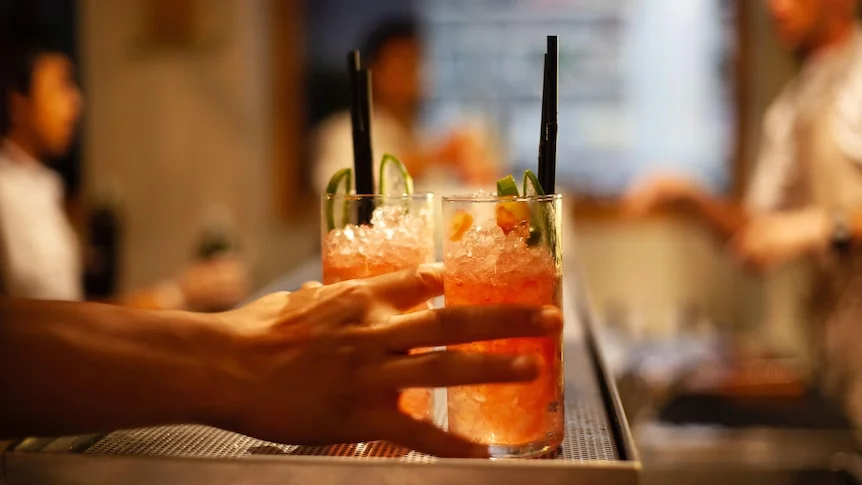
Police say they have received "several" recent reports of drink spiking in the Darwin CBD. (Image: Unsplash)
What police are saying, and what they can't yet say
Acting Senior Sergeant Peter Cousins called beverage tampering a "serious offence" and promised that "any report will be thoroughly investigated." Police have also made a point of placing the blame where it belongs. "We want to stress the responsibility of this behaviour remains solely with the offender and encourage any victim to come forward and make a report," he said.
The official tally is small. NT Police recorded four incidents of drink or food spiking between November 2025 and October 2026. No charges have been laid, and police say the cases aren't yet confirmed. That's a thin dataset to act on, and it's worth keeping in mind before reading too much into it either way.
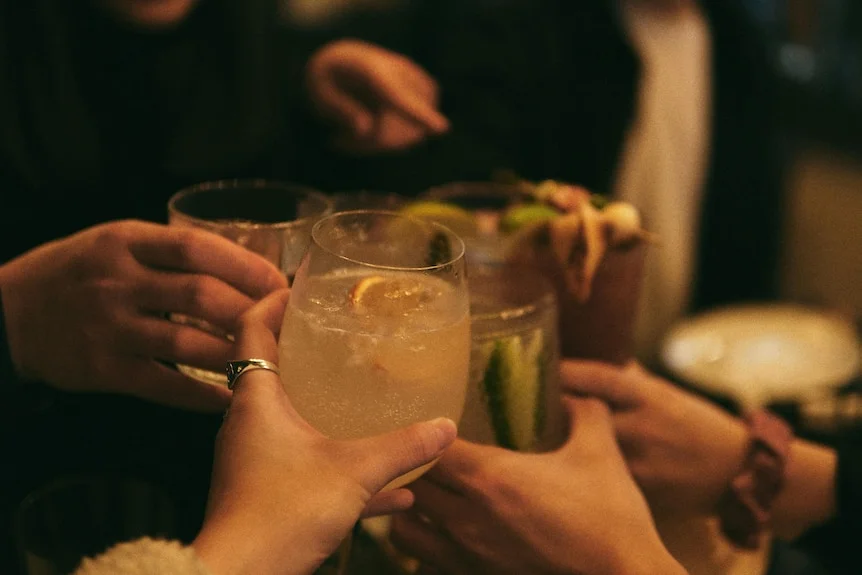
NT Police say drink spiking is regarded as a serious offence. (Supplied: Unsplash/ Haley Truong)
Why the numbers look so low
Here's the problem with a four-case figure: the people most likely to be affected are often the least able to report. SARC medical coordinator Annie Whybourne says memory blackouts are one of the main signs a drink has been laced, and that some victims don't realise they were assaulted at all.
Realising you lost control for a stretch of the night can be "extremely frightening" and "disarming," Whybourne said. Often the concern is there even when the certainty isn't. "Sometimes there's not a clear knowledge that they've been sexually assaulted, but there's a genuine concern," she said.
Her message to anyone in that position is blunt. "People shouldn't be afraid to speak about this phenomenon because it's a very familiar phenomenon to the police. They won't be dismissed; they won't be disbelieved."
Annie Whybourne says some victims don't even know they've been assaulted due to memory blackouts. (ABC News: Michael Franchi)
The 24-hour window that decides what can be proven
Most people assume a spiked drink announces itself. It usually doesn't. Alcohol is still the main substance used to alter a drink, typically by adding extra shots without the drinker's consent, and "innocent" drinks can be tampered with in other ways too. Drugs such as GHB, Rohypnol and ketamine often don't change a drink's colour or taste, which means the first clue is frequently how you feel.
And that's where the trouble starts. "People usually have quite a good understanding of how they should feel for the number of drinks they've had, but they'll say, 'I just don't understand because I should not have felt that drunk, I should not have felt that bad,'" Dr Whybourne said. If that's you, don't talk yourself out of it.
Symptoms depending on the substance usually clear within six to eight hours. They can range from dizziness, nausea or vomiting to loss of consciousness in extreme cases. The catch is that most date-rape drugs leave the body within hours, so the evidence window is short. Whybourne's advice is to get tested within 24 hours. Miss that, and a test may come back clean even when something was in the drink.
Annie Whybourne says it's essential to get tested within 24 hours if you think your drink has been spiked. (ABC News: Michael Franchi)
Here's the detail that matters most for the NT: unlike in some other jurisdictions, SARC is the only facility in the territory able to collect forensic specimens. Hospitals and police can't do it. If you're in Darwin and suspect a spiking, the route to a usable sample runs through that one centre.
Alcohol and Drug Foundation evidence manager Eleanor Costello was clear that the act itself is a crime. Slipping something into someone's drink is an offence, whatever the motive.
Who does it, and why
Costello said some people spike a friend's drink as a "prank." It's also common for criminals to use the same method to sedate someone and rob them. The more troubling pattern is who is involved. "What is also most common is one in three [instances], from the data that we do know, is most likely linked to sexual attack or sexual assault, and that is quite concerning," she said.
She added a point that should change how people think about personal safety on a night out. "Most drink spikings are done by a person somebody knows, which is quite alarming too."
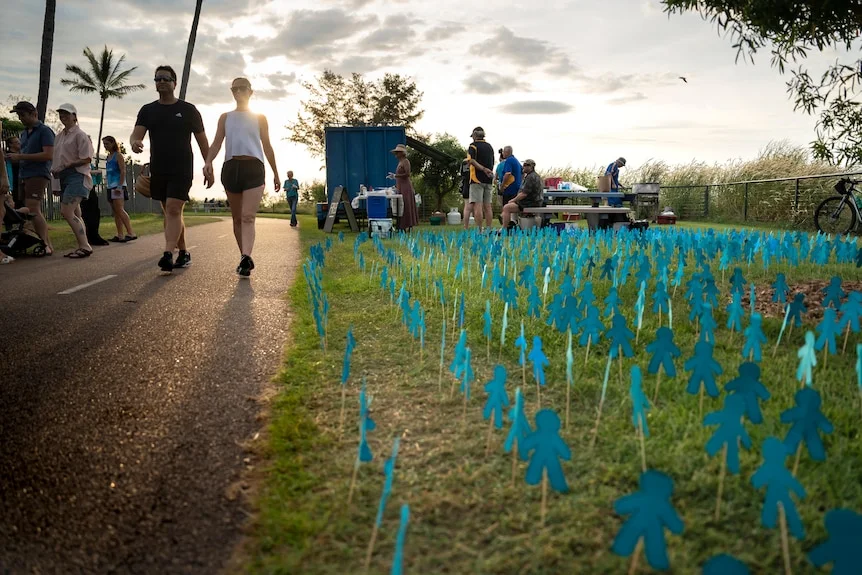
The Darwin SARC office helps hundreds of victim-survivors of sexual assault each year. (ABC News: Tristan Hooft)
Australia is working from data that's two decades old
The only national figures on drink spiking are more than 20 years old. The Institute of Criminology recorded up to 4,000 incidents between 2002 and 2003. That's the baseline almost everyone is still working from, and it tells you little about how the problem looks today.
Updating it won't be simple. Costello said better figures would take a national, coordinated effort, both to test for spiking and to persuade victims to come forward. Without that, the gap between what's reported and what's happening will stay wide, and policy will keep running on old numbers.
Eleanor Costello says drink spiking is often "fobbed off" as excessive alcohol consumption. (ABC News: Lucas Hill)
Costello's explanation for the under-reporting is stigma. "Often, it goes under-reported; there's also a lot of stigma attached to it because people look like they essentially had too much to drink in many situations and it's often fobbed off as, 'Oh, they just drank too much'," she said. That dismissal is the reason so many cases never make it into any count.
What to do if you're out, and what venues can do
Costello was firm that a victim is never at fault. That said, both individuals and venues have practical levers, and they're mostly low-effort.
For the person out for the night, the rules are simple. Don't share drinks, don't get caught in rounds, and watch your drink being poured. Costello's version: "Avoid sharing [drinks], avoid doing rounds [and] when you go to get a drink, go to the bar and see how it's poured." Don't leave a glass unattended, either.
If you suspect you've been spiked, act fast on three fronts. Get tested immediately, keep the drink, and tell the venue straight away so staff can preserve any CCTV footage. That footage can be the difference in a criminal case.
Venues have a role too. Costello said bar staff could proactively clear away drinks that customers have left unattended. It's a small intervention that removes an easy opportunity, and it costs a bar almost nothing to train staff to do it.
Bar patrons are being encouraged not to leave drinks unattended. (Supplied: Unsplash/ Create a Sea)