Why City Hill isn't working
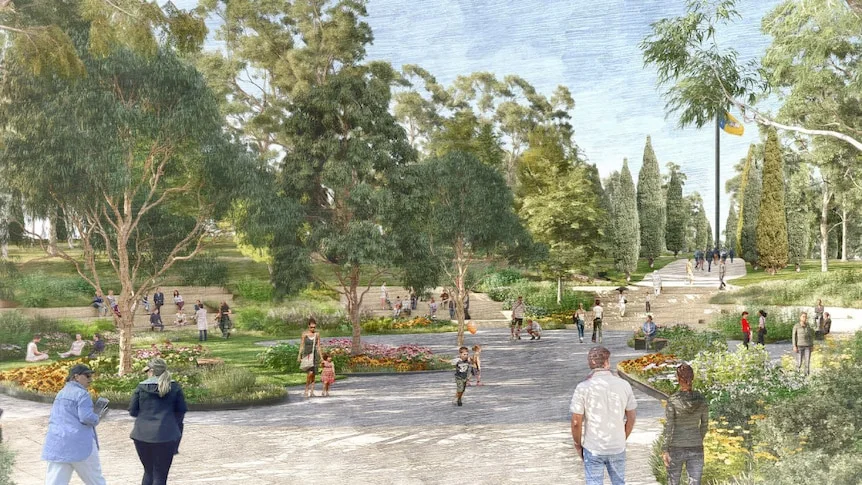
Canberrans now get a say in what City Hill becomes. Draft concept designs for the five-hectare heritage-listed park are out for public consultation, and the proposed changes go well beyond a tidy-up. Here's the thing: that's a bigger ask than it sounds, because the park's problems are structural rather than cosmetic.
The park sits at the northern tip of Canberra's parliamentary triangle, yet it's more popular with rabbits than Canberrans. Planning officials say ongoing traffic has turned it into "a place to drive past, rather than visit". That's the problem the redesign is meant to fix. Parks in central civic areas often get shaped around vehicles first and people second, and the result is a space that works well from a windscreen and poorly from a footpath. (And this is the part most people overlook: a hill that's only seen at speed doesn't really function as a park, however good its trees look.)
Who shaped the draft
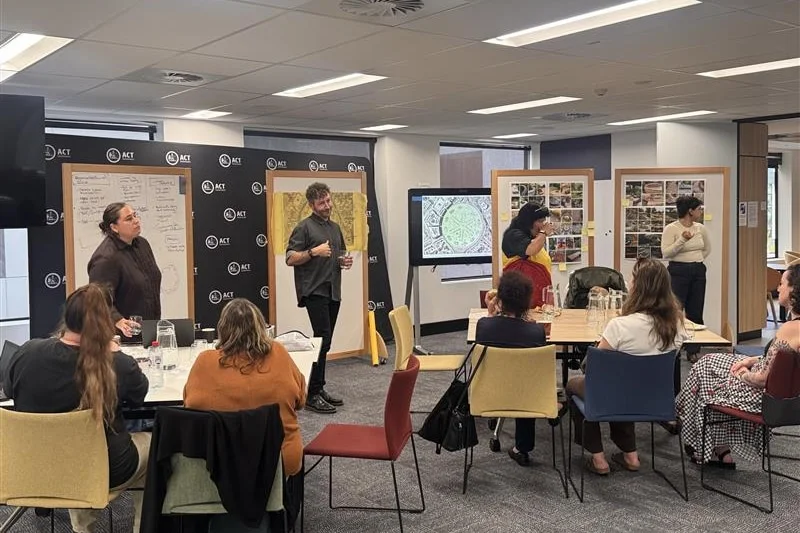
The City Renewal Authority worked with Ngunnawal community members, technical and design specialists, and a 'People's Panel' of 28 Canberrans over the past year. The group produced what the authority calls "a master plan framework and concept design". Worth flagging: a framework isn't a finished plan. It sets principles and a broad layout, and the hard decisions about specifics usually come later, when budgets and competing interests get involved.
The work builds on a 2024 community forum that drew more than 650 people. Those attendees offered ideas for the park's future, and the draft reflects many of them. Forums like this are a useful test of whether consultation is real. You learn more from what got dropped than from what made it in, and the material available doesn't say which ideas were set aside. If you're following this kind of process, that's the gap I'd watch.
Lanes, speed and a lookout
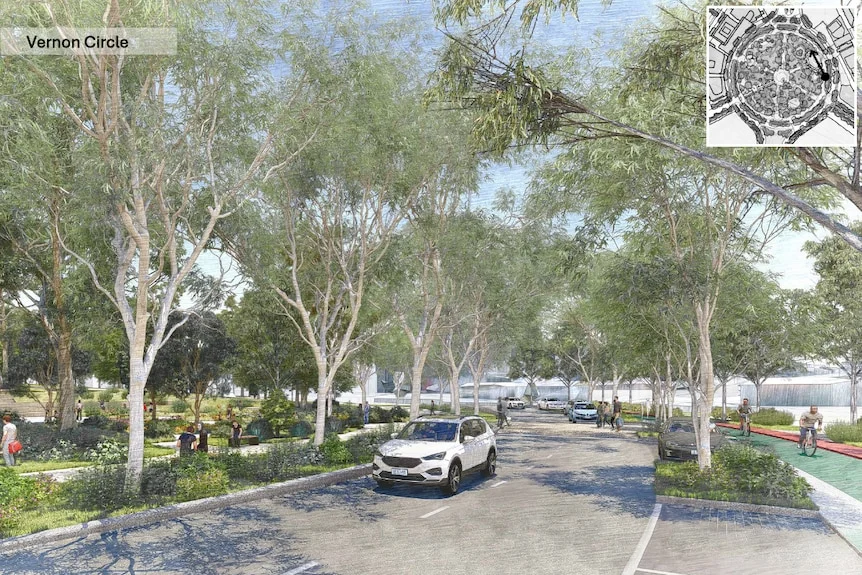
The most visible change is on the road. The design repurposes a traffic lane on Vernon Circle to create more pedestrian crossings and parking. It also recommends cutting the speed limit to 40km/h. That's a real trade-off: drivers lose capacity, and the park gains a street that people can cross on foot. Traffic calming of this kind is a familiar tool in city planning. Slower, narrower streets tend to change who feels comfortable using a space, even when they don't change how many vehicles pass through it.
A new lookout over Lake Burley Griffin and Parliament House is also proposed. Views of the lake and the parliamentary precinct are arguably the park's strongest asset, and this gives them a proper vantage point. The catch is that a lookout only works if people can reach it safely and have a reason to stay. Adding a viewing spot doesn't fix a road that discourages stopping, and I'd argue the speed and crossing changes matter more than the lookout itself.
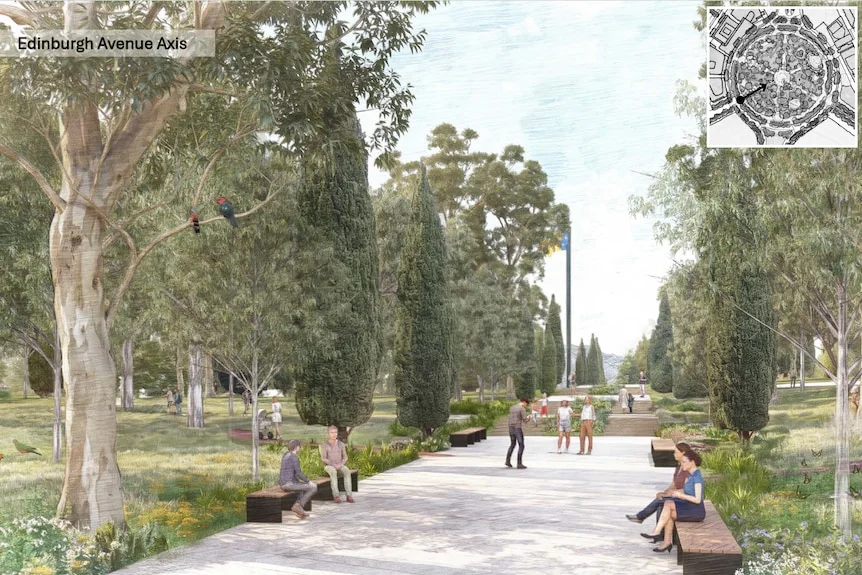
The historic Roman cypress trees stay. New native trees and flowers go in alongside them, which is a sensible balance between heritage and biodiversity. Heritage-listed landscapes often pull in two directions: keep what's old, and make the site more useful ecologically for the long run. Mixing the two looks tidy on a concept plan. On the ground, planting choices can clash with the appearance a heritage listing is meant to protect, so the details will matter.
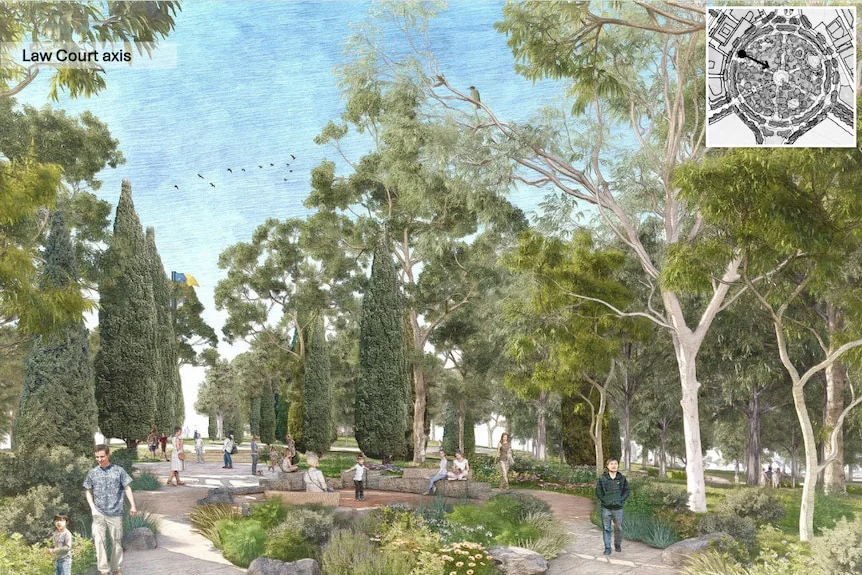
The vision and the timeline
City Renewal urbanisation and renewal executive group manager Lucy Wilson said the draft reflects the community input it gathered. That's the line you'd expect from the agency that ran the consultation, so it's fair to hold it to account against what actually changes in the final version. Wilson's comments represent the authority's position, not an independent assessment.
"The Ngunnawal community members and People's Panel have helped shape a vision for City Hill park that celebrates Country, improves access and creates more opportunities for people to enjoy this important green open space,"
Ms Wilson's framing matters. The park's problems are as much about access as aesthetics, and the proposal treats them that way. Read the quote closely, though. It leans on words like "Country", "access" and "green open space" rather than on specific features, and language in planning documents tends to set the agenda for what gets built. I'd like to see those terms defined properly in the final master plan.
The site has also been in the news for the wrong reasons. Over the past week, City Hill has been the target of a handful of alleged arson incidents. That's a different kind of problem from traffic, and a new lookout won't address it. The article doesn't say whether the incidents relate to the design, and I wouldn't assume they do. Still, how a park feels to use, including its safety and upkeep, shapes whether people come back, and the draft materials don't settle that question.
Public consultation on the draft concept design is open from November 19 to December 17, through the Your Say consultation page. The authority says that feedback will shape the final concept and master plan. That window is roughly a month. It's enough time to submit a view, but not much if you're juggling work and other commitments. If the lane change survives scrutiny, it will be the clearest signal yet of how Canberra plans to treat its central green space.
What this means for the city
The lane change is the decision to watch. Everything else in the draft, from the native plantings to the lookout, is relatively uncontroversial, because it adds to the park without taking anything away. Repurposing a traffic lane takes something from drivers, and that's where support and opposition will likely split. Whether the authority holds its position on that point will tell you more about the project than any rendering.
If you live in Canberra or work near the parliamentary triangle, the practical question is how the proposed changes would affect your daily route. Slower traffic and more crossings can make a street easier to use on foot, but they also add time for drivers who rely on that corridor. Similar urban renewal projects typically face this tension, and the way it's resolved often depends on details that don't appear in a concept design. Here's my read: the redesign is aimed at the right problem, but it still has to prove that a park can be a destination rather than a pause at the lights.


