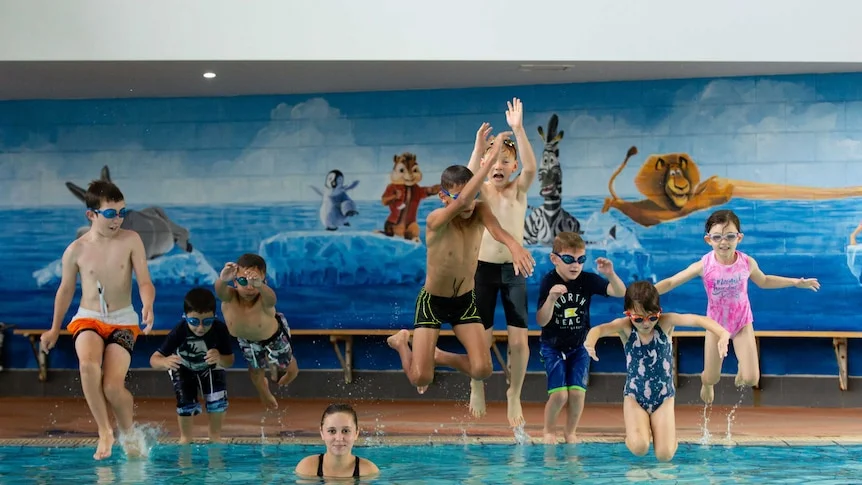
Regional Victoria’s pool crisis is becoming a water safety crisis. As ageing facilities close or face demolition, children may lose the local lessons that teach them how to swim and stay safe. The risk is especially stark in towns where the nearest alternative can be a long drive away.
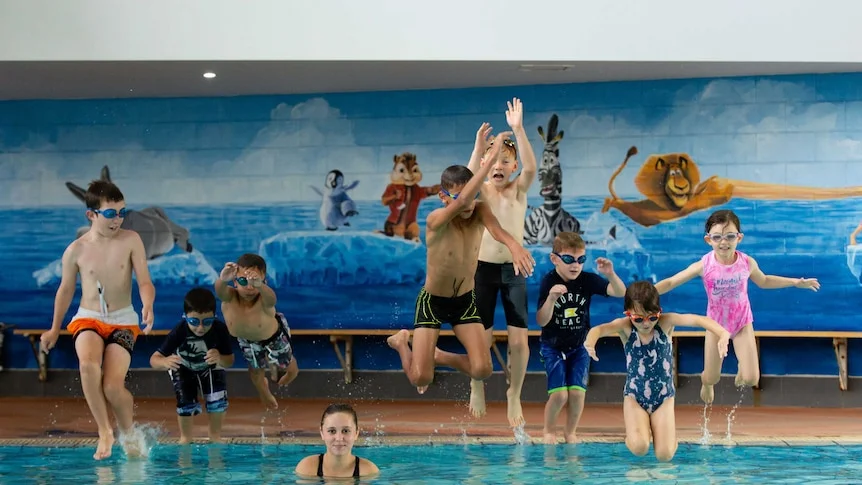
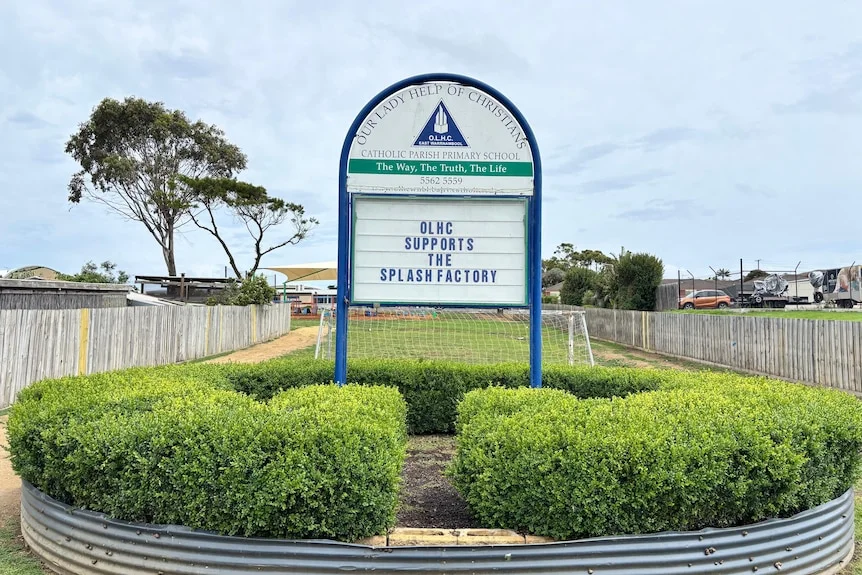
In Warrnambool, on Victoria’s south-west coast, swimming is a practical necessity for a community shaped by the nearby beach. The Splash Factory, one of three swim schools in the city, teaches 1,400 students each week. It also runs the annual, two-week school swimming program for students from 16 schools.
That service depends on Warrnambool College’s pool, which the Department of Education has scheduled for demolition because of mounting repair and maintenance costs.
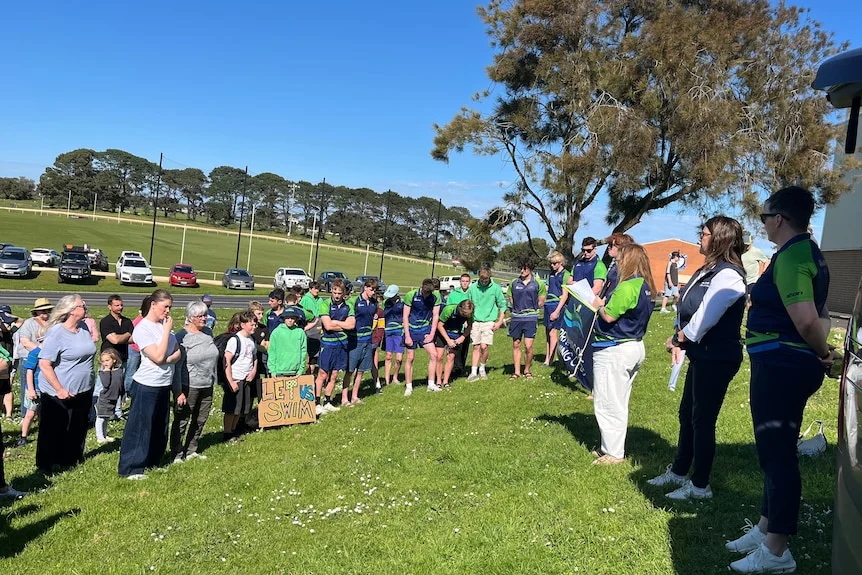
Splash Factory owner Jayson Lamb is trying to find another venue. “It’s a scary thought that so many children will be without a swim school next year,” he said. “The reality is grim; so many [kids] may never swim again.”
Warrnambool’s other two learn-to-swim programs, at AquaZone and South Coast Junior Aquatics, are already close to capacity. That leaves hundreds of children without a structured program next year. For families, the consequences could reach beyond missed lessons: Warrnambool Swimming Club president Katie Gleeson says children learn stroke technique and water survival skills through regular classes, and even missing one class in a term can leave them noticeably behind.
Some students get their only water safety education through school swimming. Gleeson fears that losing a whole swim school would devastate those programs. “It’s absolutely going to be a total wipe-out,” she said.
Old pools, expensive choices
The strain extends well beyond Warrnambool. The Royal Life Saving Society Australia puts the typical lifespan of a pool at about 50 years, and research by the Municipal Association of Victoria found that roughly half of the state’s public pools have passed that age. Many are still the only nearby place where regional children can learn to swim.
All nine council-run pools in the south-western shires of Corangamite and Moyne are more than 50 years old. Both councils face steep costs to keep them open through summer, with replacement bills higher still.
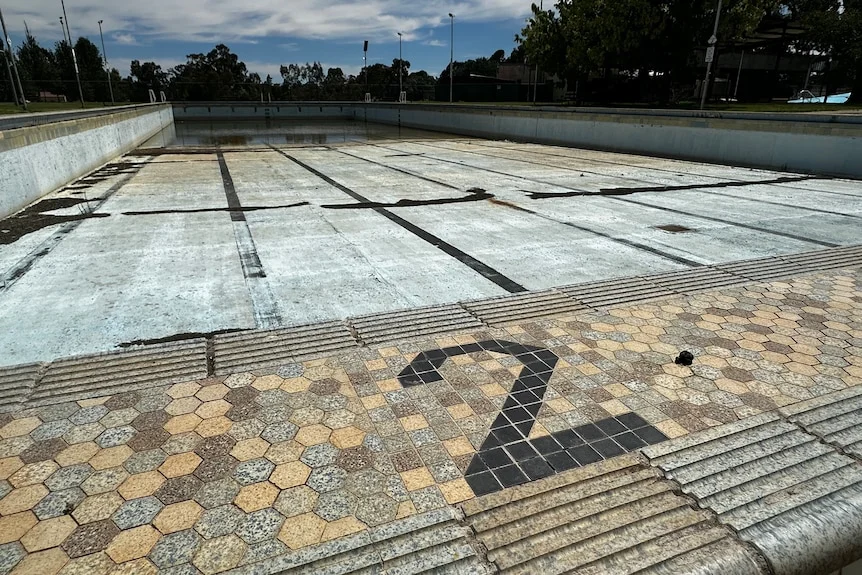
Maryborough, north of Ballarat, has been without its outdoor pool since it was declared unsafe in 2022. Central Goldfields Shire has set aside $9 million from federal, state and council funding for a refurbishment. Both the Labor and Liberal parties have also promised an additional $5 million from the state. Other shires have fewer funding options.
Distance becomes part of the risk
The Bass Coast Aquatic and Leisure Centre in Wonthaggi is nearing the end of its life and needs an urgent $45 million overhaul. It is the shire’s only aquatic facility and serves nearly 400 children in weekly swimming lessons.
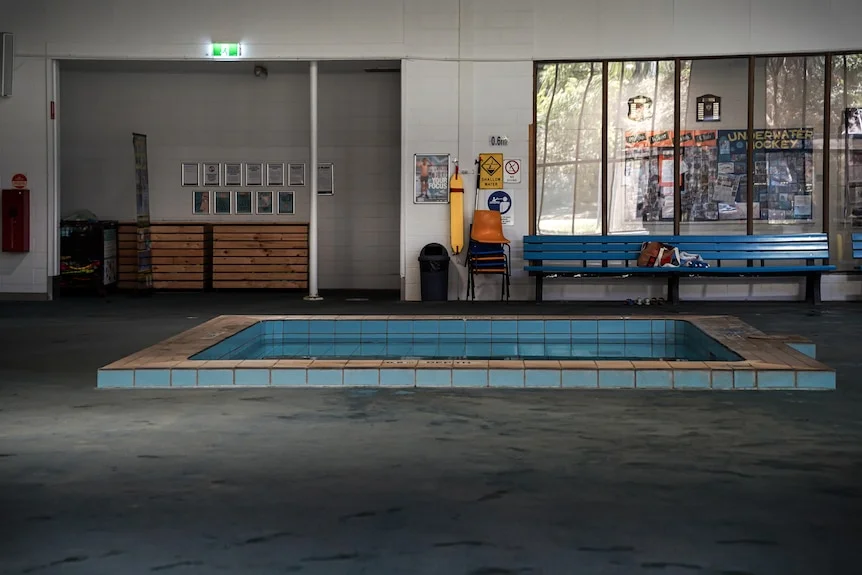
The area’s rugged coastline has many unpatrolled beaches, where a swimmer in trouble may not have immediate access to lifesaving help. Bass Coast Shire Mayor Brett Tessari says that if the pool closes, the next place for lessons could be up to an hour away, in South Gippsland Shire.
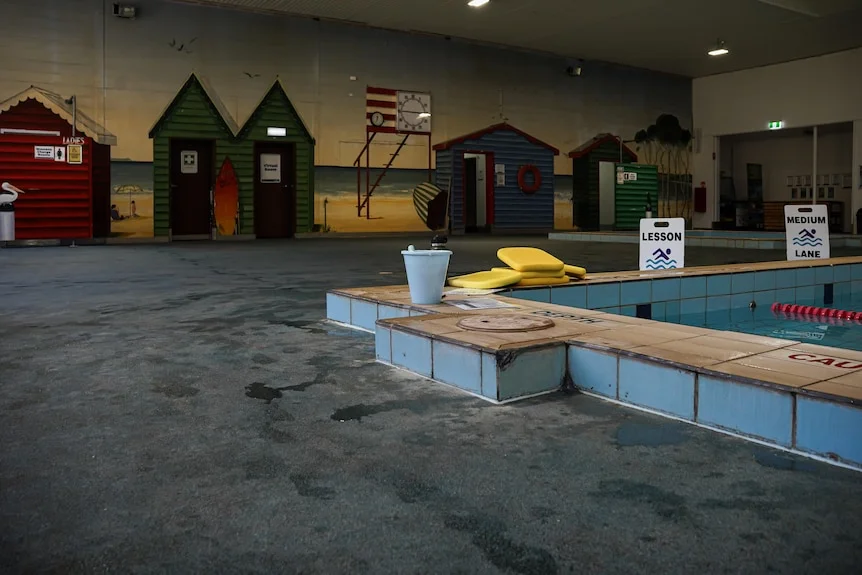
For many families, that journey may be too much. “Many just won’t go. Parents and grandparents aren’t going to be able to take them there,” Tessari said.
Along the Murray River, local children face some of Australia’s highest drowning risks. Former Campaspe Shire mayor Daniel Mackrell said in July that children in and around Echuca need local places to learn to swim. “They need safe, accessible and sustainable aquatic facilities, in safe and supervised locations,” he said.
Keeping pools open is a shared responsibility
Regional pools need sustained backing from local, state and federal governments, Life Saving Victoria (LSV) says. That’s more than a funding argument: aging facilities and rising renewal costs are putting council-run pools under growing strain, while children across Victoria still face substantial gaps in swimming, survival and water safety skills.
“Maintaining these important community assets requires co-ordinated investment across all levels of government.”
Here’s the practical stake: children need fair access to quality swimming and water safety lessons, and that requires public pools and other learn-to-swim providers to be available throughout the year. The research points to a serious skills gap, though it doesn’t explain how much comes from limited access to lessons versus other causes.
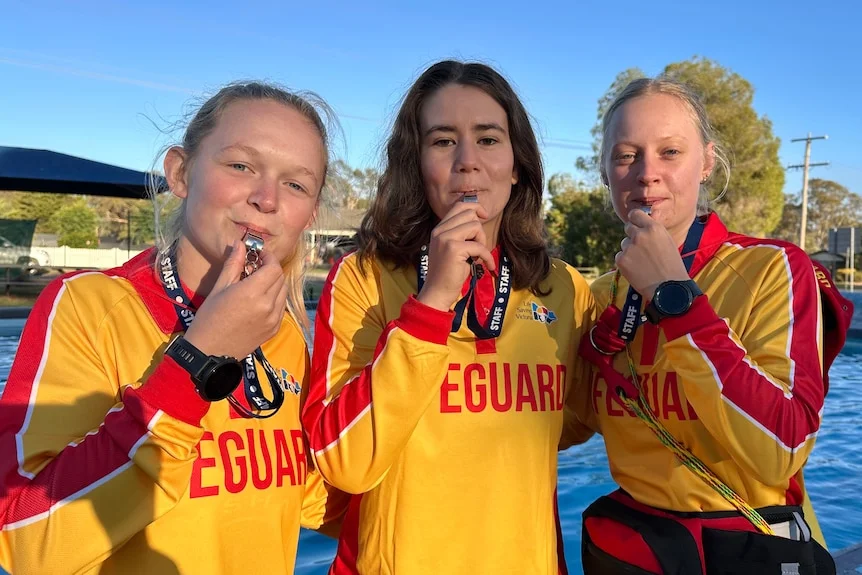
Government support alone won’t keep these facilities viable. LSV is also urging residents to use their local pool and, for capable swimmers, consider training as a lifeguard or swim teacher. Pools need qualified staff as well as community backing. If you’re part of a community that depends on one, keeping it open starts with both.


