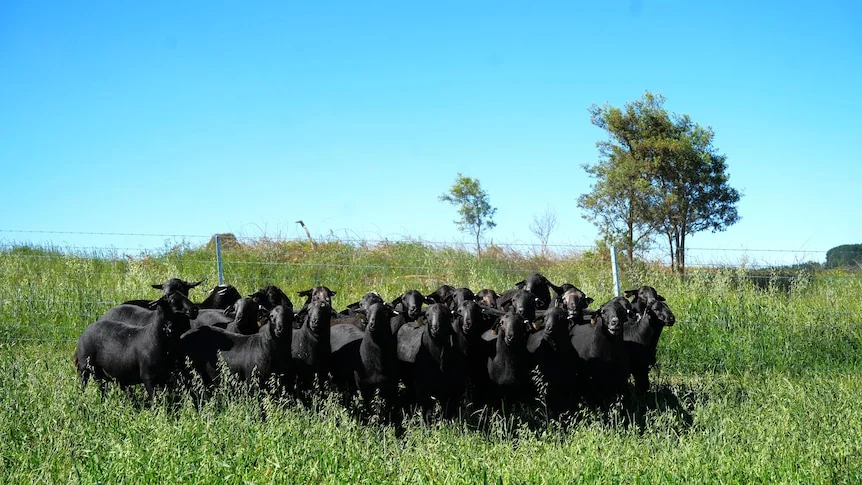
Developed in New South Wales, Martinmore sheep shed their hair naturally and may be less prone to photosensitivity. Their heat tolerance is still being assessed.
A meat sheep with a different kind of coat
The Martinmore’s unusual coat comes with a practical payoff: its hair sheds naturally, so the sheep don’t need shearing. That could spare producers a recurring task, though it doesn’t answer every question about how the breed will perform across different farms and climates. Developed by the Gilmore family at Black Springs in central west New South Wales, the all black breed is raised mainly for meat.
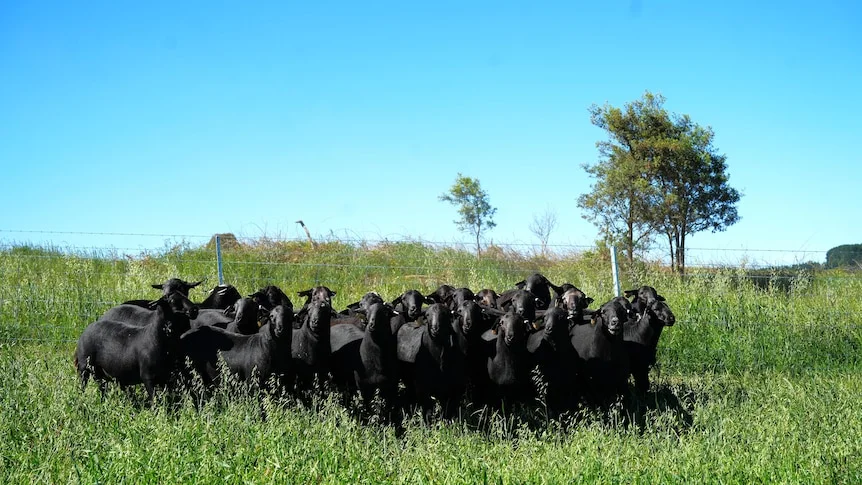
James Gilmore, co-owner of the family’s Tattykeel stud, says the animals’ dark coats catch the light, especially in spring and summer. Their appearance may help the breed stand out, but a distinctive look is only one part of a producer’s decision. Buyers also need to weigh traits such as maintenance, animal health and performance under local conditions.
The family helped establish the Australian White, or Aussie White, more than a decade ago; the Martinmore descends directly from that breed. Its name honours Gilmore’s uncle Martin, who died in 2018 and helped develop the Aussie White. He’d suggested creating a coloured version, giving the new breed a family connection as well as a practical identity.
The first Martinmore sale offered two dozen rams. The top priced animal fetched $21,750, while rams at the most recent Aussie White sale in Black Springs averaged $11,200. That’s a striking debut, though one sale alone can’t show whether buyers will sustain that premium. A first sale can signal curiosity and confidence in a breeding program, but it doesn’t establish long term demand or tell us how the sheep will perform once they’re raised in a wider range of conditions.
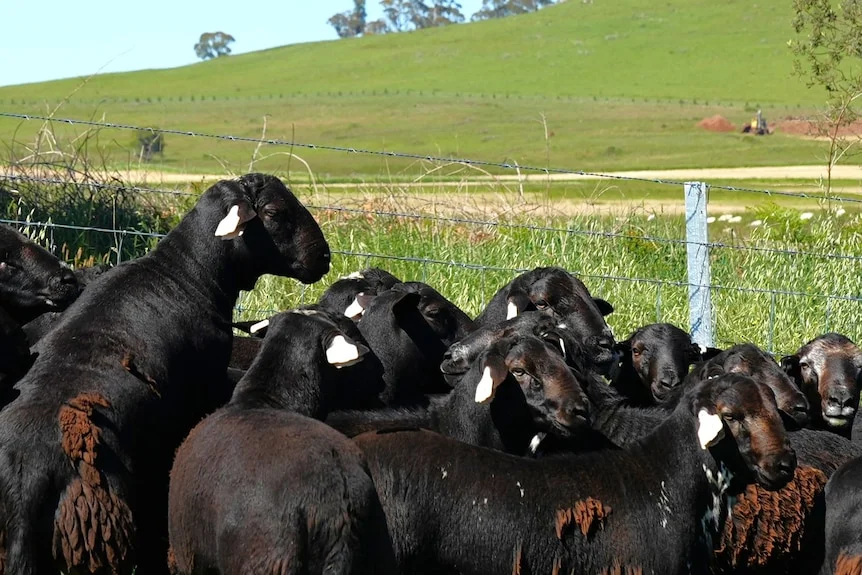 The Martinmore’s hair sheds naturally, removing the need for shearing. (ABC Central West: Emily Middleton)
Dark pigment may help against photosensitivity
The breed’s colour may offer a health benefit as well as a distinctive look. Photosensitivity can make livestock’s skin react severely to sunlight, causing lesions and, in serious cases, liver damage. Gilmore says the darker sheep seem less prone to the condition than light coloured animals. That’s a plausible advantage, but it shouldn’t be mistaken for immunity: the cause can involve more than the amount of pigment in an animal’s coat.
Veterinary physiology professor Jane Quinn of Charles Sturt University explains that the condition often begins with an animal’s diet. Some plants contain compounds that a healthy liver would normally break down. When liver function is impaired, those compounds can build up beneath the skin and make it highly sensitive to sunlight. St John’s wort, buckwheat, immature rapeseed, kale and canola crops are among the plants associated with the problem.
More pigment can reduce the skin’s reaction to sunlight, Quinn says, lowering the risk. This is more significant than it looks for producers managing animals in exposed paddocks, where sunlight is part of the daily environment. But darker skin doesn’t address the dietary or liver related causes Quinn describes. Identifying and managing those factors still matters.
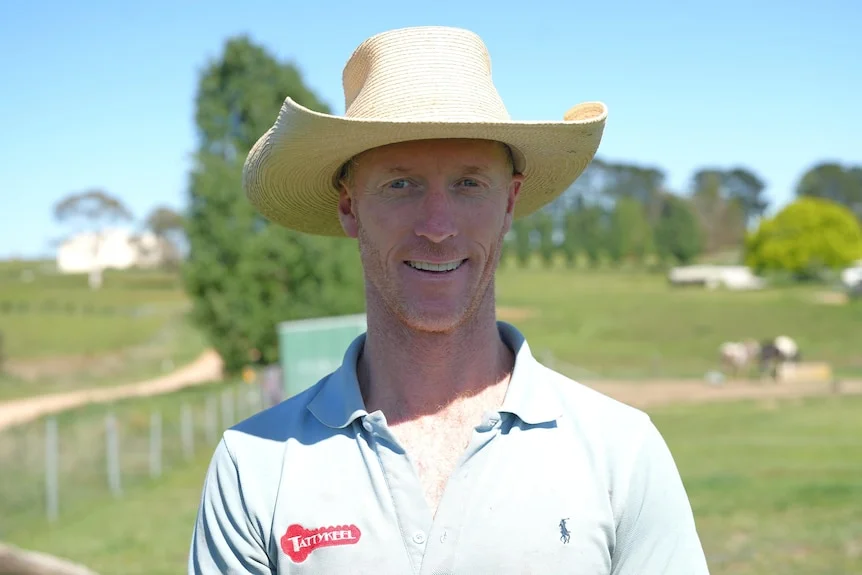 James Gilmore says the breed appears to handle photosensitivity better than light coloured varieties. (ABC Central West: Emily Middleton)
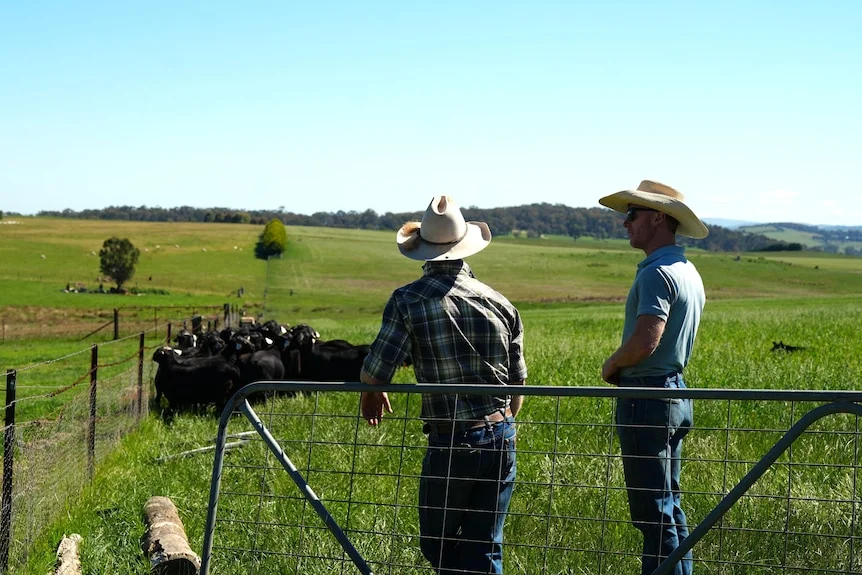 The breed is named for Martin Gilmore, who helped develop the Aussie White. (ABC Central West: Emily Middleton)
Heat tolerance remains an open question
The trade off is heat. Quinn says black cattle and sheep generally tolerate heat less well than paler animals, so producers need to provide shade during the hottest summer months to limit heat stress. For a new breed, that creates a practical question: whether the potential protection from photosensitivity can be retained without adding too much difficulty in warmer conditions.
The Martinmores were developed at Black Springs, a cool location 1,200 metres above sea level, which offers little opportunity to test how they’ll fare in hotter conditions. That’s a meaningful gap in the evidence. A breed raised successfully in one setting may face different demands elsewhere, and performance in a cooler environment can’t settle the question of heat tolerance.
Gilmore says the next few years should reveal more. He points to Angus cattle, which are raised across Australia as far north as Queensland, as a reason to think the sheep could adapt. That comparison is suggestive, but the Martinmore’s heat tolerance hasn’t yet been established. Cattle and sheep aren’t interchangeable, and a broad example of livestock distribution can’t replace direct experience with this breed.
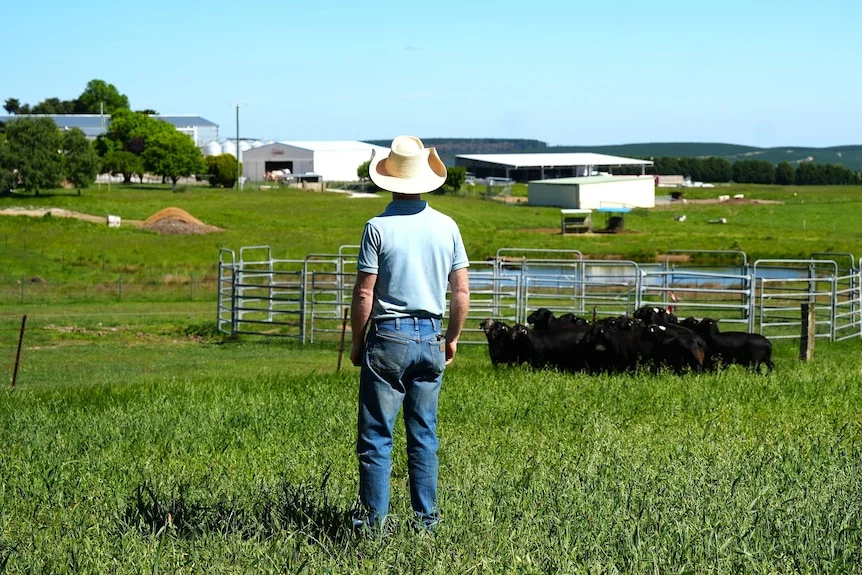 Martinmores went on sale for the first time last week. (ABC Central West: Emily Middleton)
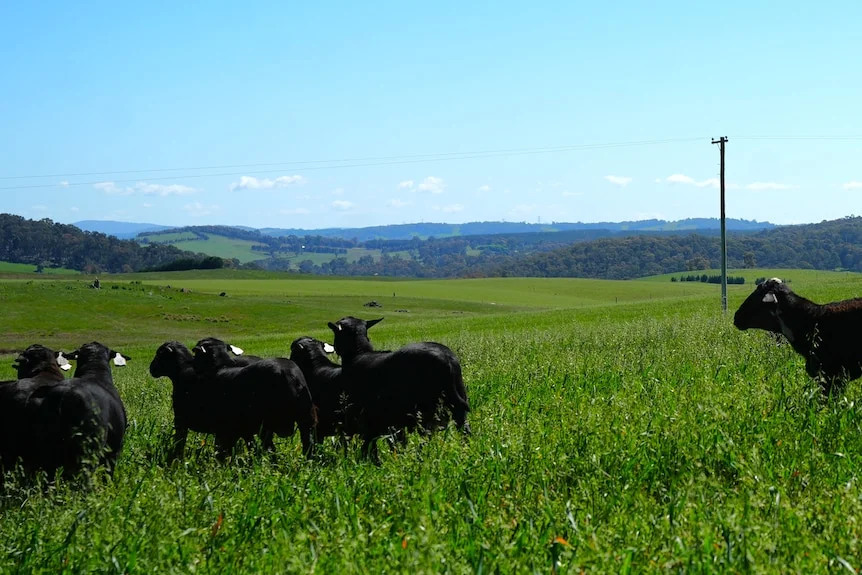 Dark pigmentation may lower the risk of photosensitivity in livestock. (ABC Central West: Emily Middleton)
Quinn suggests breeders could explore sheep with partial pigmentation as a compromise: a first cross that’s less dark might retain some protection from photosensitivity while coping better with intense heat. She says light tan or brown coats can protect against sunlight too. For producers weighing the Martinmore’s benefits, that makes the colour question more nuanced than simply black or white. A range of coat colours could involve trade offs in both directions.
What the early results can and can’t tell producers
The Martinmore’s appeal rests on several claims that will need to be considered together: a naturally shedding coat, a possible reduction in photosensitivity risk and a sale price that drew attention. Each matters, but none answers the others. A strong sale result doesn’t demonstrate health benefits, and a potential health advantage doesn’t establish how the sheep will cope with heat.
If you’re working in this space, the most useful evidence will come as the breed is raised beyond its original setting and producers learn how it behaves in different conditions. The early sale shows that buyers were willing to pay for the first rams offered; it can’t yet show whether that interest will last. For now, the Martinmore is a promising breeding effort with a clear point of difference and a question that remains unresolved. Heat tolerance.