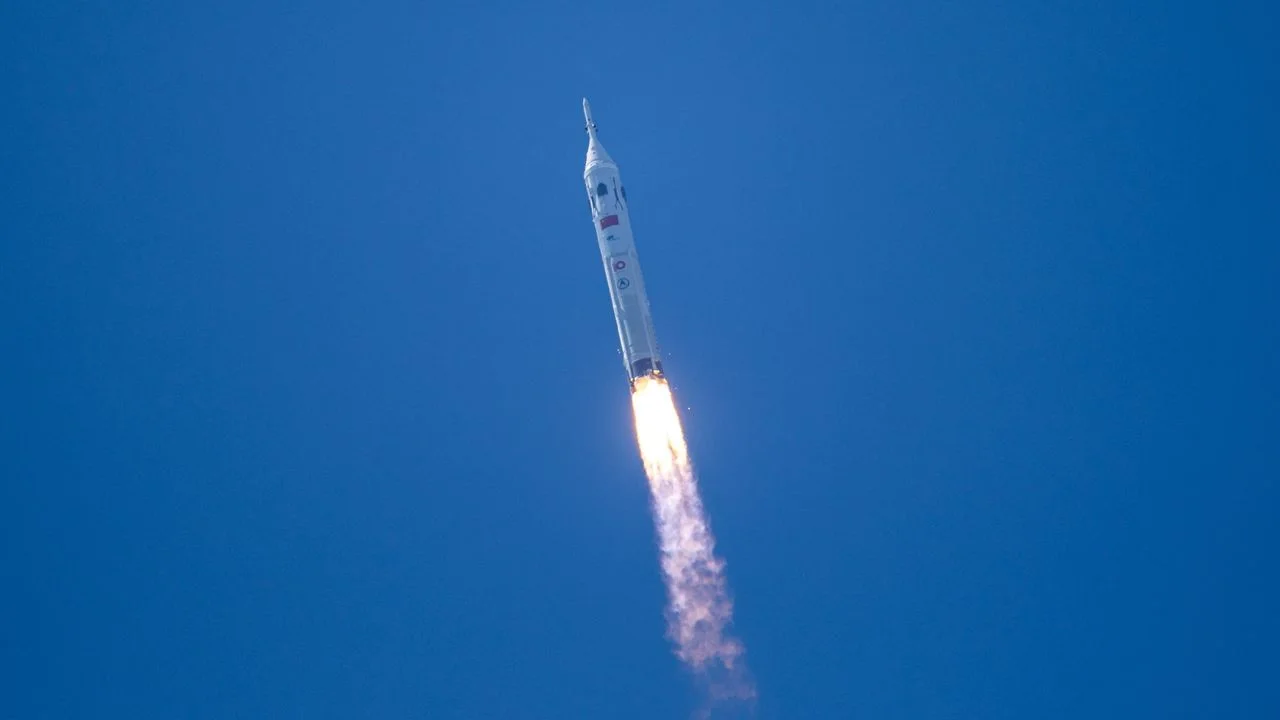
China is revamping its space initiatives to achieve a manned moon landing by 2030, committing fully to enhance the necessary technologies and resources.
China's Lunar Ambitions: A Clear Commitment
China is making bold moves in its quest to send astronauts to the Moon by 2030. Announcing its plans, government officials have emphasized that the nation will “spare no effort” to achieve this goal. Such a declaration not only reveals China’s ambitions but also demonstrates a significant shift in its space exploration programs toward more crewed missions.
The drive to enhance technical capabilities and ensure task reliability forms the backbone of this lunar initiative. The Chinese space program is poised to elevate its technological maturity, laying a robust foundation that anticipates the complexities of landing humans on the lunar surface. For those keeping an eye on the global space race, this strategic shift signifies a mounting pressure on other nations, particularly the United States and its Artemis program, which aims to establish a continuous human presence on the Moon.
A Vision to Compete
Here’s the thing: China’s commitment to lunar exploration is more than just scientific curiosity; it’s a calculated step towards geopolitical positioning. With the U.S. planning its own lunar missions, the stakes are high. China’s timeline might look overly ambitious, but it reflects a significant national investment in space technology and an intentional push to catch up to and even surpass its global rivals.
For those in the tech sector or working with aerospace technologies, understanding China’s approach could offer insights into future partnerships, competition, and technological trends. The Moon is not just a destination; it's becoming a strategic point of contention, with international space policy increasingly influenced by these bold aspirations.
So, whether you’re an industry expert or just a space enthusiast, China’s upcoming lunar mission is critical. It will not only showcase China’s advancements due to involved engineering and science but will likely force a reevaluation of how other countries approach their own space exploration goals.
China's Deliberate Shift in Space Strategy
As China gears up to land astronauts on the Moon by 2030, the implications of this strategic pivot are significant. While such ambitions may seem aspirational, this move reflects a calculated response to both domestic and global geopolitical pressures. The government's announcement lays out a framework that aims to not only reaffirm its standing in the space race but also to create a sense of national pride and unity.
The Chinese government, through its space agency, is mobilizing resources at an unprecedented scale, indicating a shift from mere participation in international space endeavors to seeking leadership in space exploration. According to recent updates, more investments are earmarked for technology development and operational readiness—signifying that this isn't just a lofty goal but a tangible plan heavily backed by state resources. If you’re tracking developments in aerospace investment, this is one trend that may set the tone for future competition.
Technology and Innovation at the Forefront
The tech underpinning China's moon mission shouldn't be overlooked. The shift signifies that it's not solely about sending astronauts to lunar soil but about the innovation ecosystem being cultivated around it. For those in the industry, this serves as a crucial wake-up call: investing in advanced space technology isn’t just a trend; it's a necessity for any nation aspiring to remain competitive. Notably, developments in robotics, satellite communications, and lunar resource extraction technologies point towards a broader ambition that could influence global tech innovation.
Yet, the path ahead isn't straightforward. China's plans come with a set of challenges—including potential technological duplications and international partnerships—but these hurdles may become stepping stones rather than roadblocks. There’s a pressing need for the industry to monitor how China navigates these challenges, as they could set standards or create disruptions in technology markets that reach far beyond just space exploration.
The Global Response
One must also consider the international landscape stirred by China's ambitions. This renewed focus on lunar missions raises questions about how Western nations, particularly the U.S. and its allies, will respond. Each step China takes will compel nations with vested interests in space to either ramp up their own initiatives or risk being outpaced. The upcoming decade could redefine competitive boundaries, especially if nations begin to engage in more aggressive space policies and collaborations.
That said, there’s also a narrative that doesn’t receive as much attention: how public perception of space exploration evolves as nations like China intensify their endeavors. The expectation among audiences may shift towards viewing space not just as an exploration frontier but as a stage for national prowess. This mindset could influence how governments allocate funding and resources to their own space programs.
Overall, while ambitions abound and plans take shape, one thing is clear: China is committed to becoming a dominant player on the lunar stage and is not afraid to invest heavily to make that happen. If you’re involved in the aerospace field, you’ll want to keep your eyes peeled for how this shift unfolds, not just within China but on the global stage as well.China’s Lunar Ambitions: A Coordinated Strategy
As China gears up for its ambitious moon landing goals, the integration of its space exploration programs is turning heads in the global space community. While the focus has predominantly been on recent advancements in human spaceflight, the announcement of the Lunar Exploration Program marks a significant shift in strategy. By fusing the experience gained from its Chang'e robotic missions with the capabilities of its human spaceflight initiatives, China is positioning itself as a formidable player in lunar exploration ahead of its target of a crewed lunar landing by 2030.
Zhang Jingbo, a spokesperson for the China Manned Space Agency (CMSA), emphasized this integrated approach during a recent pre-launch event for the Shenzhou-23 mission. He highlighted that the lessons learned over decades of unmanned lunar missions will fuel the synergy between their crewed and uncrewed efforts. It’s a pragmatic acknowledgment that real progress comes from leveraging established knowledge rather than starting from scratch. This is more significant than it appears at first glance; it suggests that China is not merely participating in the race to the moon but potentially competing for leadership.
Building on Past Successes
The groundwork for this lunar program is robust. With a successful operational history of its space station, which has now been in orbit for nearly four years, China has a platform that supports both crew training and technology verification crucial for lunar missions. Zhang noted that critical experiments conducted aboard the space station, such as testing the behavior of liquids in microgravity and evaluating new solar cell technologies, are directly aimed at bolstering their lunar plans. The findings from these tests could enhance the design and functionality of future lunar landers and equipment.
As the Chang'e-7 mission gears up for launch, scheduled for August, it will conduct extensive studies of the lunar south pole—a region rich in scientific value. Involving international collaboration in this mission could open doors for data-sharing and technological partnerships, a strategy that reflects China's growing desire to assert influence in space exploration.
The Road Ahead
China’s public commitment to achieving a lunar landing by 2030 should not be dismissed lightly. Achieving this milestone would not only elevate its standing in the space sector but also ensure its role as a key contributor to future lunar and even Martian missions. The ambition is clear, yet as we consider the complexities of space exploration and international collaboration, it’s crucial to remain aware of the challenges that lie ahead. The intricate logistical demands of sustaining human life on the moon and the technical hurdles of navigation and resource utilization may prove daunting.
For those invested in the space industry, China's strategic moves serve as both a warning and an inspiration. The country’s coordinated effort to amplify its space capabilities sends a strong message: in the race for the moon, a united front that builds upon existing successes may well be the key to winning. The coming years will be critical for assessing the viability of these plans and whether they can translate ambition into achievement.