Setting the Stage: Oysters in Space
This week, the “This Week In Space” podcast serves up a tantalizing topic that captures the intersection of gastronomy and space exploration: oysters. Episode 211, intriguingly titled “Oysters in Space,” promises to stimulate both the mind and palate of its listeners. Hosted by Jacob Scoccimerra from Monolith Space, the episode dives deep into the implications and potential for cultivating oysters aboard the International Space Station. For those knee-deep in tech or food sustainability, the exploration of aquaculture in microgravity could be more significant than it initially appears. The notion of growing food in such settings not only highlights human ingenuity but also paves the way for future long-duration space missions. As we push the envelope of our current capabilities, bringing familiar ingredients into orbit could enhance astronaut morale and nutrition. If you're tracking advancements in space travel and its practical applications, this podcast episode is definitely worth tuning into. Notably, the episode is part of a larger narrative within the podcast, which has previously tackled an array of topics, from recent Mars escapades to NASA’s latest missions. Each episode builds on the last, weaving a rich tapestry of current affairs in space science and exploration, as well as its broader implications for humanity. If you're keen on keeping your finger on the pulse of space innovation, be sure to catch the latest insights from the podcast. The conversations sparked by episodes like this one highlight an emerging boom in understanding how we can adapt everyday practices, like farming, to the challenges of life beyond Earth. For those working in this space—or even for the casual enthusiast—this is an essential listen. You can catch the full discussion and keep up with their content on platforms such as [Space.com](https://www.space.com/news).Phases of Engagement
Analyzing how users interact with content reveals patterns that are important, especially in initiatives that aim for increased user participation. Research indicates that 57% of readers prefer content that prompts discussion or inquiries. This is significant; fundamentally, it underscores the importance of not just presenting information but also creating avenues for dialogue. Audience engagement isn't merely about drawing clicks; it's about fostering commitment. When publications incorporate comment sections, Q&As, or interactive components, they enable readers to share their thoughts and insights. If you’re in content strategy or editorial, recognize that facilitating conversation can enhance how your audience connects with your material. A recent survey emphasized that articles with an engaging comment section saw a 30% uptick in return visits. That’s a noteworthy increase, suggesting that once readers see their thoughts valued, they are more likely to return for additional content. Prioritizing interactivity can turn a lukewarm readership into an invested community—a critical advantage in a crowded digital space.Platform Versatility
The diversity of platforms available for sharing content drives those conversations deeper. What’s particularly interesting is how different platforms attract distinct demographic cohorts. For instance, while younger audiences gravitate toward visual content on Instagram, LinkedIn’s user base often prefers more professional, narrative-driven articles. If you're aiming to tailor your outreach efforts, understanding these preferences can inform how you distribute and promote your content across various channels. However, you also need to consider the implications of algorithm changes on these platforms. For instance, recent updates to Facebook's algorithms have prioritized friend and family interaction, squeezing organic reach for pages, including news outlets. This raises a critical question: How can you navigate these constraints without sacrificing your message’s visibility? Propelling engagement should extend beyond posting; it shifts towards active community management and strategic partnerships with influencers who can amplify your outreach organically. The tools are there; it's about choosing the right ones for your audience.The Bottom Line
Ultimately, it's the balance of content quality and engagement opportunities that dictates how effectively audiences react to what you present. This isn’t just about tricks or gimmicks—it's about cultivating a more profound connection with your readership. The figures reflect not only engagement levels but also reader loyalty—metrics that can prove invaluable when assessing the health of your content strategy. Understanding these dynamics equips you to make smarter decisions. If you're still thinking in silos, it’s time to break those down. Meeting your audience where they are—on their preferred platforms, encouraging them to dialogue and engage—that’s where the real value lies.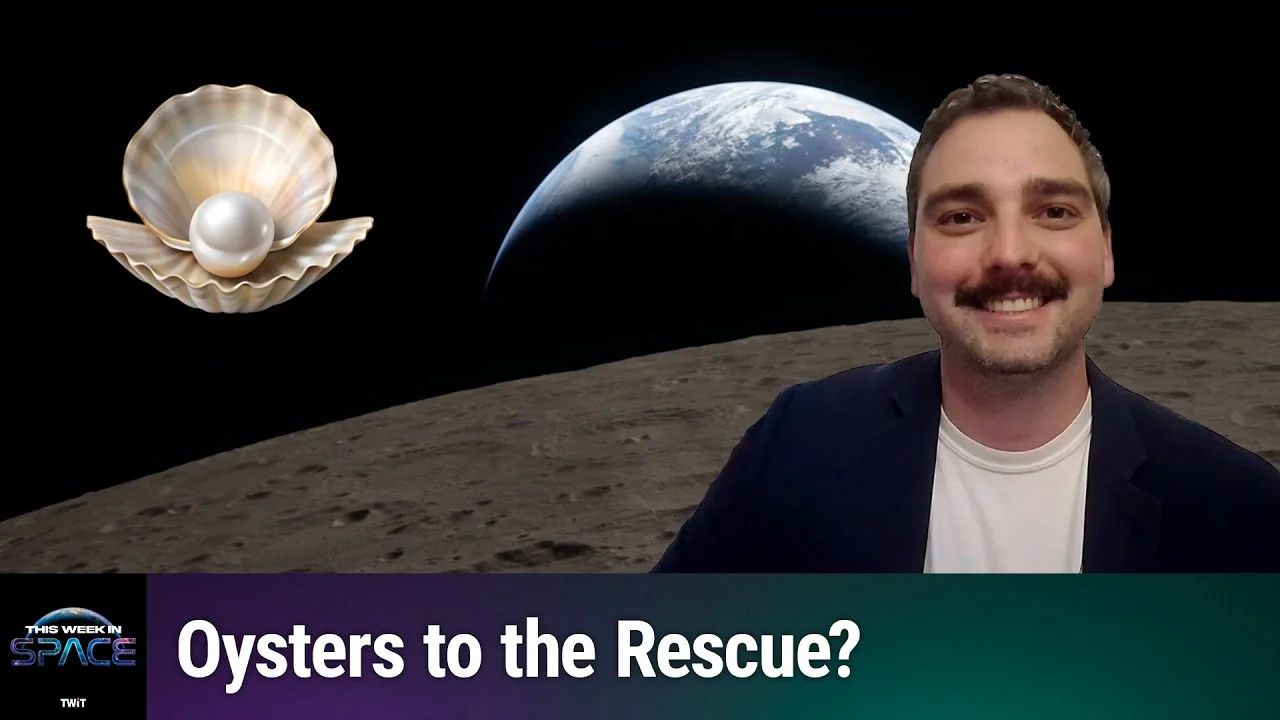
In Episode 211 of This Week In Space, Rod Pyle and Tariq Malik converse with Jacob Scoccimerra of Monolith Space about an unconventional approach to sustaining astronaut diets.
The Culinary Potential of Oysters in Space
When it comes to imagining the future diets of astronauts on missions to Mars, oysters might not be the first food that springs to mind. However, these resilient bivalves could play a pivotal role in sustaining human life in space. Not only do they serve as a nutritious source of protein, but they also have a unique ability to filter water, potentially providing a dual benefit during long journeys.
Jacob Scoccimerra, who previously worked with Nanoracks, is leading a fascinating initiative in collaboration with students from Harrisburg University of Science and Technology. Their research focuses on developing a closed-loop, automated environment specifically designed to cultivate oysters in simulated space conditions. This project is more than just an academic exercise; it’s a concrete step toward understanding food production in extraterrestrial environments, a crucial aspect of long-duration space travel. If you’re working in aerospace or agritech, you may want to keep an eye on these developments. They signal an innovative fusion of marine biology and space exploration that could redefine what astronauts eat.
Learn More About the Research
For those intrigued by this topic, I recommend checking out the full conversation on This Week In Space. Scoccimerra's insights on how oyster aquaculture could evolve in microgravity contexts are enlightening and provide a thought-provoking perspective on future space missions.