Technology
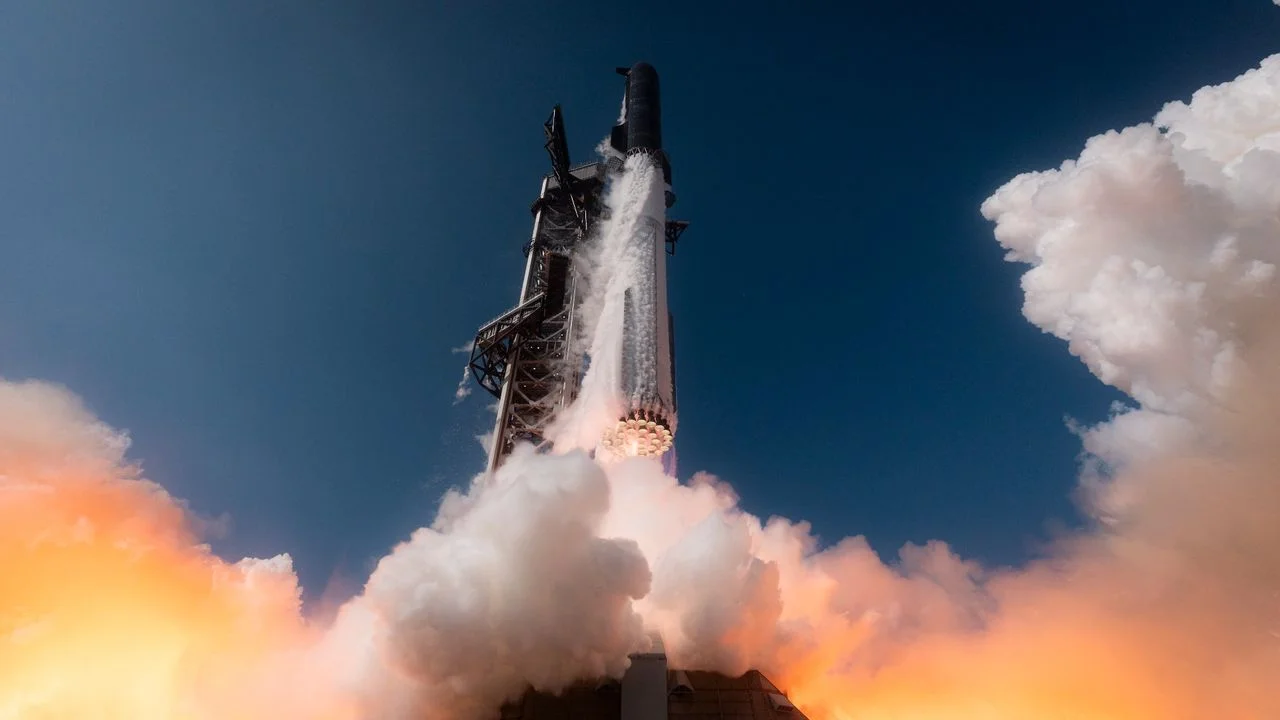
Captivating Images from SpaceX's Latest Starship Flight
Experience the remarkable visuals captured during the launch of SpaceX's most powerful Starship to date.
## The Power of Starship: A New Chapter for SpaceX
SpaceX just hit a major milestone with the launch of its latest rocket, the Starship V3, which promises to push the envelope of space exploration like never before. This isn't just another launch—this is the most potent iteration of Starship to date. On May 22, 2026, SpaceX demonstrated its engineering prowess from Starbase, Texas, as the rocket soared into the sky, leaving a dramatic plume of fire in its wake. The visual spectacle was nothing short of breathtaking, and the photos that followed capture the momentous occasion.
However, what's particularly significant here isn't just the impressive visuals or the sheer power of the rocket, but what this launch represents. Starship V3 isn't merely a vehicle for getting payloads to orbit; it's a key player in humanity's ambition to explore beyond our terrestrial boundaries. This vehicle has been designed with future missions in mind, including the anticipated Artemis 4 mission, which aims to return astronauts to the Moon by late 2028. If you're in the aerospace field, this is a stark reminder of how quickly things are advancing.
As the world watches this development unfold, questions abound regarding the next phase in SpaceX's quest to become a cornerstone of space travel. With a company like SpaceX at the helm, the stakes are high, and the implications for future lunar and even Martian missions are profound. We can't lose sight of what's at stake here; the capability to transport astronauts safely back to the Moon offers a tantalizing glance at the possibilities for long-term human presence beyond Earth.
What’s next in this ambitious journey? How will the data collected from this flight inform not only SpaceX’s future projects but also the broader space industry? As we await more technical details, it's clear: this is more than just a launch; it's a step toward redefining humanity's future in space.
Stay tuned as we continue to track the developments and impact of SpaceX’s Starship program—this is just the beginning. For a closer look at the launch, check out the stunning images captured during the flight.
Social Sharing Features
A deeper look into the user interaction design reveals the thoughtful integration of social sharing capabilities. The utility bar prominently features options for sharing via various platforms, including direct links for Facebook, Twitter, and Reddit, among others. Each share option is carefully crafted to entice users, utilizing repository metrics and graphics that signal their importance.
One interesting aspect lies in the mechanics behind the sharing functionalities. The button for copying links generates an alert upon successful copying, suggesting a focus on user feedback. This user-friendly design choice enhances the experience, especially for those who may struggle with more complex sharing methods. Plus, with platforms like WhatsApp and Pinterest included, you get a spectrum of choices that cater to different social media preferences. If you're in a position where you need widespread dissemination of information, these options equip you nicely.
Engagement Metrics
User engagement is further emphasized through comment counts displayed prominently within the article. This isn’t just a matter of aesthetics; the visible counter encourages readers to participate in discussions. With zero comments at the moment—an underwhelming start—it's not entirely clear if this will gain traction over time. New articles often have this initial lull, but momentum is crucial.
What this means for your own interest is worth considering. If you're assessing viability or potential for virality, those comment counts serve as one metric among many. They suggest current reader interest but also frame collective engagement, which often acts as a bellwether for discussions that could arise.
All these features collectively enhance the reader's experience, weaving social sharing and engagement into the content consumption process effectively. Yet, while the underlying structure is solid, actual user interaction remains to be seen, posing the question: Will this article spark conversations, or will it falter into the void of unengaged content?Looking Ahead: The Future of SpaceX and the Starship Program
What’s evident from the recent test flight of SpaceX’s Starship V3 is that we’re not just witnessing another rocket launch; we’re observing a significant moment in the ascending race for dominance in lunar exploration. The May 22 launch demonstrated not only SpaceX's increasing capability but also its preparedness to compete for crucial missions, especially with NASA’s Artemis program looming large on the horizon.
This launch was the twelfth iteration for Starship, confirming SpaceX’s relentless drive to innovate. However, it must be emphasized that this iteration is not merely another step in the company’s project; this V3 model is an impressive leap forward—a towering 408 feet tall and packed with new technology like an upgraded Raptor engine and a quicker fuel transfer mechanism. These advancements are critical, highlighting a shift toward making reusable rocket systems even more effective and reliable.
But let’s be clear: SpaceX isn't the only player in this field. Although they have set the pace, Blue Origin is lurking, eyeing similar opportunities. NASA’s redefined strategies for the Artemis missions only amplify the urgency for SpaceX to prove that the Starship can achieve Earth orbit and conduct in-orbit refueling operations successfully. If they falter, the agency may turn its gaze and resources toward Blue Origin's lunar lander, the Blue Moon.
In a competitive landscape like this, timing is everything. SpaceX has ambitious plans for the Artemis 4 mission slated as early as late 2028, but significant milestones must come first. This includes not just flight readiness but demonstrating a full-fledged astronaut life-support system onboard. If they can check these boxes ahead of Blue Origin's next moves, they will maintain their edge.
So here's the point: SpaceX's recent achievements are impressive, but they also amplify the pressure to deliver on future promises. With other players gearing up, the stakes are rising. If you’re involved in the aerospace industry, staying keenly aware of these developments and their implications isn’t just advisable; it’s essential. The race to the Moon is not merely a matter of technology; it's a test of management, strategy, and sometimes, sheer timing. Keep your eyes on both these companies—they'll shape the future of space exploration more than we can fully grasp yet.