Sports
Costa Ronin Discusses His Role in 'For All Mankind,' Mars Ambitions, and Cosmonaut Legacy
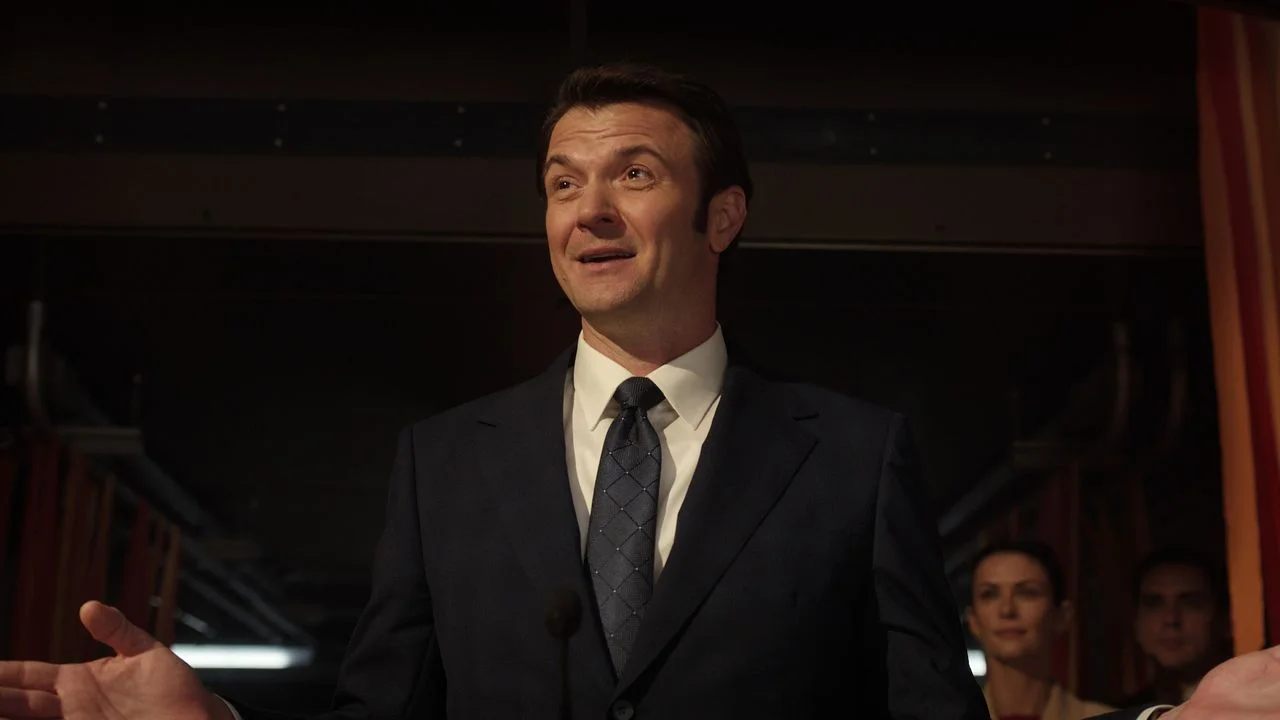
In this interview, Costa Ronin shares insights into his character's rule over Mars in 'For All Mankind,' reflects on the significance of cosmonaut history, and amusingly recounts his struggle to master tying a tie.
Exploring the Depths of 'For All Mankind'
When a show like 'For All Mankind' takes on the intricacies of space exploration amid geopolitical tensions, you can expect the narrative to tackle both grand themes and personal stories. Recent discussions surrounding the series have spotlighted not just its ambitious plot but also the characters that bring its alternate history to life. One standout is Costa Ronin, who plays Leonid “Lenya” Polivanov, the resourceful Martian governor. His insights into the role provide fascinating perspectives on both the character's challenges and the broader implications of humanity's ventures beyond Earth.
Behind The Scenes with Costa Ronin
In a recent interview, Ronin articulated the weight of his character’s responsibilities. He remarked, “Heavy is the head that wears the crown, and that goes for Red Planet rulers as well as Earth.” This statement resonates, suggesting that leadership, whether on Mars or Earth, comes with a unique set of pressures. It’s more than just occupying a position of power; it’s about navigating the conflicts of humanity and history—cosmonaut history, to be precise, which adds another layer to his portrayal.
What makes Ronin’s perspective significant is how it reflects the show's commitment to intertwining fact with fiction. Rather than just act out a storyline, his character’s development offers audiences a lens to view the complexities and moral quandaries of space colonization. As you explore the implications of his character's journey, you’re also engaging with questions about leadership and legacy in both a historical and futuristic context.
In discussing the research he undertook for the role, Ronin touched on the importance of honoring the sacrifices made by real cosmonauts. While Mars may be a fictional backdrop in this narrative, the human experiences tied to space exploration are very real. This quality is particularly crucial for storytelling in the current era, where the public's interest in space is rekindled not only by media but also by incredible advancements in real-world space missions.
So, in contemplating the deeper meanings embedded in shows like 'For All Mankind', you'll find subtle critiques and rich storytelling that challenge the audience to reflect on humanity's past while contemplating its future. The characters serve not only as entertainers but also as vessels for larger discussions. For anyone working in this sphere—whether you're a creator, historian, or simply a curious viewer—this insight into Ronin's approach to embodying Polivanov offers a valuable reminder of the storytelling responsibilities that come with such a profound subject.Sharing Features in Context
What stands out about the sharing options presented is how they parallel the modern need for social interaction around content. The variety of platforms—Facebook, X (formerly Twitter), WhatsApp, Reddit, and more—underlines a recognition that cross-platform engagement is essential in today’s digital environment. Each button is designed not merely for function but to enhance user experience, encouraging sharing as an integral part of content consumption.
Each social sharing option does more than link to a platform; it creates a pathway for dialogue. Click a button, and you're instantly connected to a community that values the same themes, whether it's excitement over space exploration or appreciation for the arts. As a professional in the tech space, this prompts thought on why these integrations are pivotal. Direct engagement can elevate a single article's reach, but it also reflects broader trends in content consumption—where sharing isn’t just an afterthought but a core aspect of the experience.
Here's the thing: the built-in tools encourage a seamless transition from reading to sharing, which can significantly enhance visibility. That rapid sharing capability resonates well with audiences who thrive on immediate interaction. This may mildly skew the perception of engagement metrics, since what initially seems like high engagement could be more about the ease of sharing rather than deep content resonance.
Comments and Community Engagement
The comment count feature is another critical element that’s worth delving into. It’s not just a number; it's a real-time reflection of community involvement. With the visibility of zero comments, it might raise eyebrows. If you're working in any audience-focused industry, you’ll understand how a lack of dialogue can signify a missed connection. This absence doesn't indicate lack of interest; rather, it could mean a need for more outreach to invite participation.
Yet, the potential for conversation—once those comments start flowing—can create a much richer user experience. It fosters a sense of community around the content, allowing users to share opinions, ask questions, or offer insights. This does lead to the question: how can publishers better stimulate this interaction? Is it simply about better content strategy, or should there be incentives for users to engage more actively?
The inclusion of these features reflects a broader trend: content creators are increasingly recognizing the importance of community in retaining reader attention. To capitalize on this, the call-to-action for user interaction must be more pronounced, ensuring that platforms offer more than just a passive read. This shift could ultimately change how audiences perceive their roles—not just as readers but as contributors within the ecosystem.Wrapping Up "For All Mankind" Season 5
Costa Ronin's role as Leonid "Lenya" Polivanov in the latest season of "For All Mankind" isn’t just another addition to the show; it's a testament to the series’ depth and complexity. By introducing a character who embodies both political ambition and the weight of historical context, the show challenges viewers to think critically about leadership—especially in a Mars colony grappling with isolation and resource scarcity.
Ronin's nuanced portrayal reveals layers that go beyond typical depictions of politicians. His character's hidden motives and strategic maneuvering evoke intrigue, a fitting reflection of the environment on a planet where only the cunning might survive. "The entourage makes the king, right?" Ronin aptly notes, hinting at the intricate balance of power and responsibility that Polivanov navigates in a fledgling society. This isn’t just sci-fi; it’s storytelling that resonates with real-world dynamics.
Yet, entering a well-established series can be daunting. Ronin acknowledges the challenge but surprisingly views it as a privilege. “It’s incredible to walk into a show that’s been TV royalty for so many years,” he mentions. This perspective suggests that the writers and cast created a collaborative atmosphere that welcomes fresh talent and ideas, allowing for organic character development.
Insights into Character and Performance
What stands out about Ronin’s approach is his meticulous preparation. He researched the Soviet space program and delved into backstory details that might slip under the radar but are crucial for authenticity. His statement, “There were little things that may not necessarily be visible to the audience, but I, as a character, knew,” signifies a commitment to depth, enhancing the viewer experience through subtlety rather than overt exposition.
The physical environment of the show also plays a significant role in Ronin’s performance. He highlights the carefully constructed sets that emulate a realistic Martian habitat. This attention to detail allows actors and audiences alike to suspend disbelief, immersing themselves in a narrative that seeks to explore the human condition in extreme circumstances. The authenticity extends to the technical aspects, too—aided by consultants who ensure that even the smallest details, like button sequences in a transport hopper, enrich the narrative.
As we look to the future of "For All Mankind," it's clear that the series will continue attracting talent who thrive in this careful balance of history and speculative fiction. With Season 5 now streaming on Apple TV, it raises the question of where the narrative will go next, especially as character complexities deepen. If you're a fan of innovative storytelling that pushes boundaries, it’s an opportune moment to engage with this resurgent space epic—[check it out here](https://tv.apple.com/channel/tvs.sbd.4000?at=1001l369U).