Technology
China's Shenzhou 23 Mission Sends Three Astronauts to Tiangong Space Station
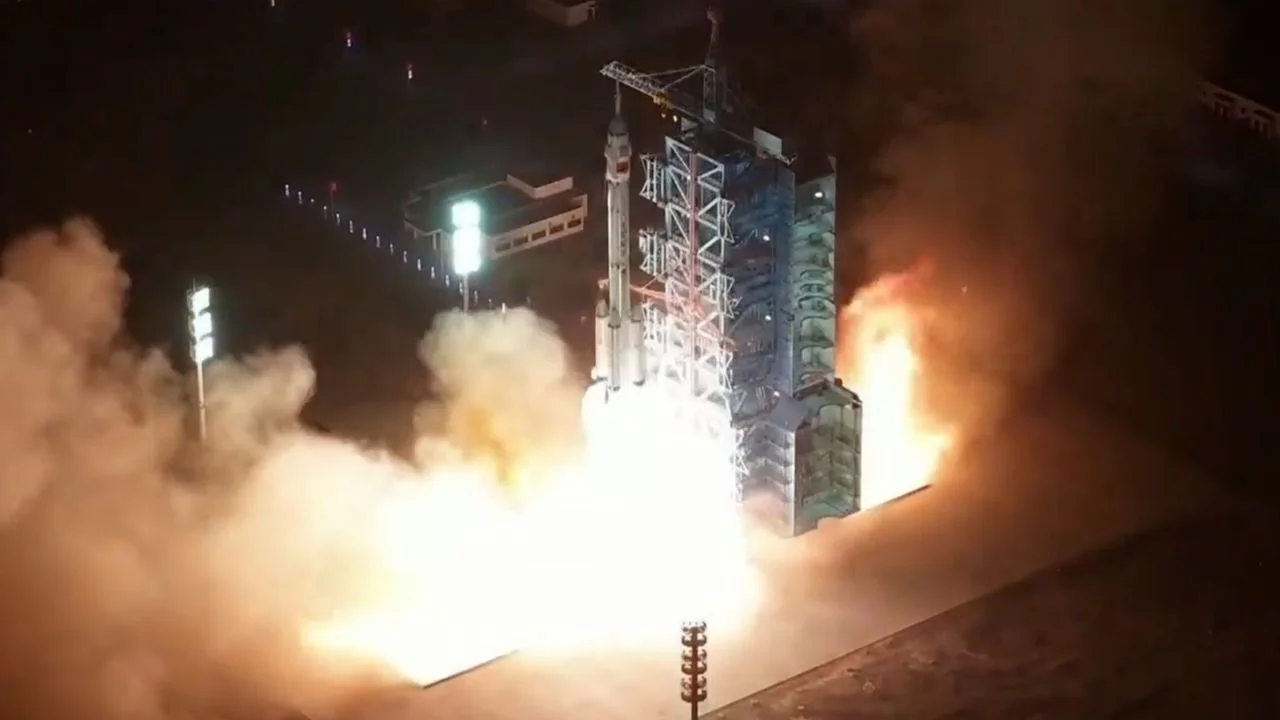
Three astronauts have been launched to the Tiangong space station as part of China's Shenzhou 23 mission, with one crew member set to remain in orbit for an entire year.
Triumphant Return: China's New Milestone in Space Exploration
China's ambitious lunar agenda has taken another significant step with its recent launch of three astronauts aboard the Shenzhou 23 mission to the Tiangong space station. The spotlight this time falls on one astronaut—marking a historic first in Chinese history—who will remain in orbit for an entire year. This unprecedented long-term stay pushes the boundaries of human endurance in space and highlights China's expanding capabilities in manned spaceflight.
The essence of this mission isn't just the numbers; it’s about what they represent. A year in space isn’t simply a test of stamina but a deep dive into long-duration space habitation and the psychological and physiological impacts that come with it. If you're in the space sector, you know this sort of long-term mission provides invaluable data for upcoming deep space exploration, including potential missions to Mars.
Here’s the thing: while much of the global media may focus on the competition between spacefaring nations, China’s initiative brings to light their growing expertise in key areas, such as life-support systems and crew management over extended periods. This isn't merely a matter of prestige; it's a cornerstone in preparing for future interplanetary journeys.
Beyond the technical aspects of the mission, the cultural and political implications can't be overlooked. With every successful launch like Shenzhou 23, China is not just marking its territory in the cosmos; it's crafting a narrative around its status as a leading space power. You can bet that similar missions will induce not just awe but scrutiny and rivalry from other nations that have long held dominant roles in space exploration.
As we look ahead, the implications of this mission unfold further. What does maintaining a crew for a full year mean for future international collaborations in space? The data and partnerships that emerge from these endeavors could reshape how humanity approaches the stars.
This milestone serves as a reminder of the evolving dynamics in space exploration, where the implications of technological progress stretch far beyond the immediate mission goals.Shenzhou 23's Latest Mission: A Step Forward for China's Space Program
China's latest venture into human spaceflight—Shenzhou 23—has raised eyebrows and expectations alike. Launched recently, this mission is significant not just for the number of astronauts sent to the Tiangong space station but also for the enhanced duration of their stay. One astronaut is set to remain aboard the station for an entire year, marking a notable shift in the mission parameters compared to earlier expeditions.
If you’re following space exploration trends, you might have noticed that prolonged missions are pivotal for future interplanetary travel. Sustaining human life in orbit is a complex challenge, with implications ranging from psychological well-being to life support systems. China’s commitment to a year-long presence in space illustrates their ambition to refine these critical aspects, potentially setting them ahead in the global space race.
What stands out here is the technological advancements that accompany Shenzhou 23. This mission isn't merely an extension of duration; it’s a testament to the Chinese space agency's growing capability to sustain human life in an extraterrestrial environment. Keeping an astronaut in orbit for so long could mean significant strides in habitat technology, resource management, and perhaps even in cultivating life-supporting ecosystems beyond Earth.
Moreover, the international implications of this mission cannot be overlooked. With geopolitical tension often surfacing around space exploration, China’s advancements could serve as both a challenge and an incentive for other nations to enhance their own manned missions. The U.S. and Russia, historically dominant in this arena, may find themselves reassessing their strategies in response to China’s consistent progress.
That said, while the technological milestones are exciting, it’s crucial to temper expectations. The long-term efficacy of these missions depends on a multitude of factors—both technical and human. It's not entirely clear how the psychological implications of an extended stay in a confined space will play out for the crew. The data from this mission could become foundational for future endeavors, as psychological resilience remains a central concern in extended human space travel.
As you navigate the unfolding narrative of Shenzhou 23, keep an eye on how these elements develop. This isn’t just another launch; it’s part of a larger tapestry of human ambition and exploration.A New Era in Human Spaceflight for China
China's latest crewed mission to the Tiangong space station highlights a significant milestone in its space exploration journey: for the first time, one astronaut will be looking at a full-year stay in orbit. While this may seem like just another launch, the implications are substantial. It indicates not only China’s growing ambition in human spaceflight but also its commitment to long-term space missions, which until now have been a rarity in its program.
Launched on May 24, the Shenzhou 23 mission transported a crew of three—Zhu Yangzhu, Zhang Zhiyuan, and Lai Ka-ying—who will manage a six-month mission aboard the space station. Notably, Lai Ka-ying makes history as the first astronaut from Hong Kong to travel into space. This crew is set to replace the Shenzhou 21 astronauts who have been orbiting longer than expected due to a sequence of events that required emergency support.
The shift begins as Shenzhou 24, scheduled for a late 2023 launch, will mark another key moment by bringing in an international astronaut from Pakistan. This international collaboration signifies a broader strategic move for China as it aims to position Tiangong as a welcoming hub for international space endeavors.
Here's the thing: this is more than just a continuity of missions; it's a calculated effort to showcase China's capabilities on the global stage. The preceding missions, including the uncrewed Shenzhou 22, are a testament to China's rapid evolution in crewed space missions. They are not merely replacing personnel; they are expanding the framework of their orbital operations.
As you look ahead, consider how these developments may influence global space partnerships. If you’re tracking advancements in space exploration, China’s strategic maneuvers could reshape our understanding of international collaboration in orbit. It’s a space race of a different kind, focusing on cooperation rather than competition, and it will be fascinating to see how this paradigm shift unfolds in the years to come.