A month to move beyond the awkward questions
For Julie Dickson, Dwarfism Awareness Month is a chance to talk plainly about what it means to be short statured—and how other people can respond with more understanding. The questions she hears often come from curiosity, but the way adults handle those moments can make the difference between a useful conversation and a humiliating one. Dickson, who has dwarfism, says people sometimes hesitate to ask about her height because they fear causing offence. Her answer is to share five questions she’s commonly asked, along with what she wishes people understood. That’s a more useful approach than treating dwarfism as a subject too delicate to discuss.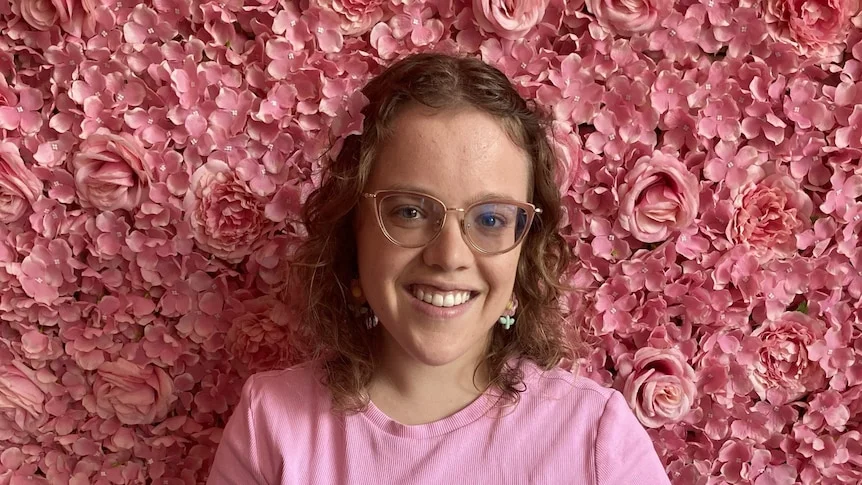
“Why are you so short?”
Children are often the ones who ask Dickson why she’s short. Their curiosity doesn’t bother her, though having to give the same explanation repeatedly can wear thin. She’d like parents and educators to talk with children proactively about human differences, before a stranger becomes the lesson. When Dickson explains that she was born differently, children are usually satisfied and move on. Adults rarely ask the same question, perhaps because they understand more—or feel too shy. A polite question is fine. Being called “Midget!” by adults in public is another matter: Dickson describes it as upsetting and dehumanising, particularly when the speaker knows the term is offensive.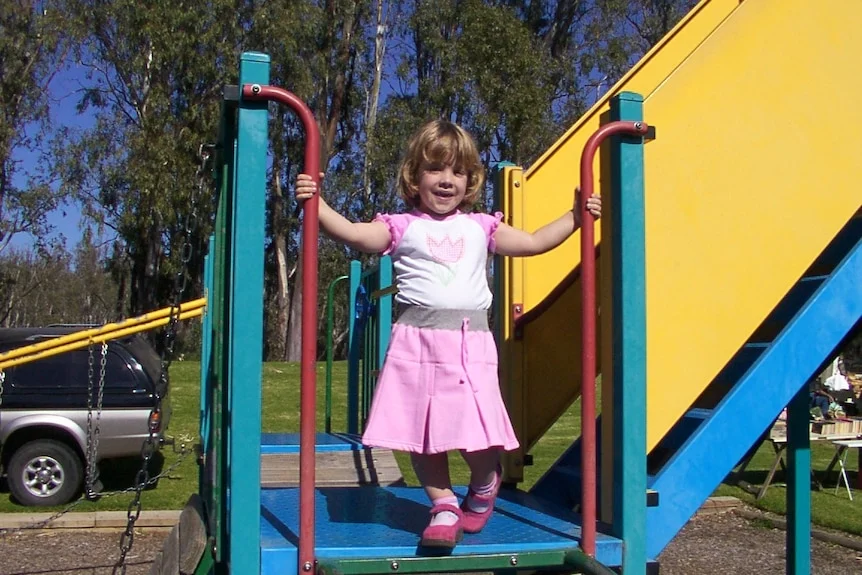
“Is your whole family short statured?”
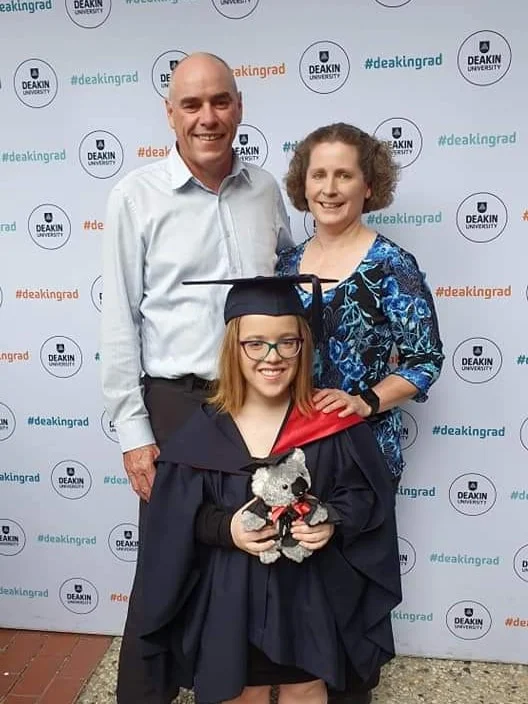
No. Dickson’s parents, younger sister and extended family are all average height. People often assume her parents must also have dwarfism, but about 80 per cent of people with dwarfism are born to average-height parents. Having one or both short-statured parents does raise the chance that a child will also be short statured; it doesn’t explain every case.
“What should I do if my child stares or says something?”
Children sometimes point Dickson out and ask a parent why she’s so little. Parents may shush them and hurry away. Dickson understands that being stared at feels awkward, but she doesn’t see a child’s curiosity as malicious. Silencing the child can turn an ordinary question into a moment of shame. She’d rather parents explain that people are born differently: some people’s bones grow more slowly and stop at a shorter height, and that’s OK. A brief explanation can help Dickson feel respected while giving a child a clearer understanding of dwarfism. If the moment isn’t right for that conversation, she understands that too.“What can I call you?”
Dickson points out that when meeting an average-height person, most people start with a greeting and a name—not a question about height. Yet she’s asked what to call her, or whether she’s a dwarf. Her height, she says, is the least interesting thing about her; friends and family no longer notice it. She prefers “person of short stature,” or simply “short-statured.” It’s a small choice of words, but it shifts the introduction back to the person.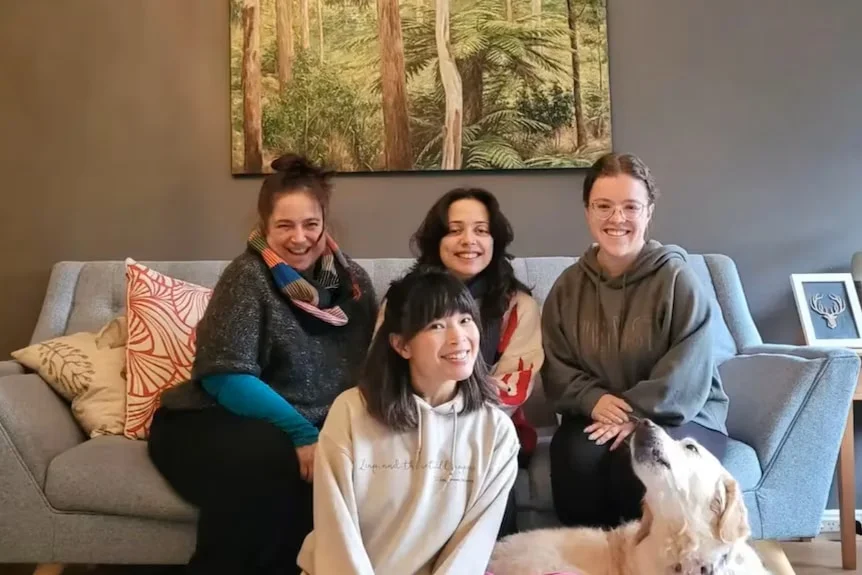
Respect starts with the words you choose
Most people I know prefer person-first language: “a person with dwarfism” or “a person with short stature.” If you’re unsure, ask politely what someone prefers. One term should never be in doubt: “midget” is offensive, rooted in 19th-century freak shows where people with short stature were exploited as entertainment. The question “Is there a cure?” carries its own assumption—that dwarfism is something wrong to fix. Some people may need surgery to address medical complications. But people with dwarfism can live long, fulfilling lives, like anyone else.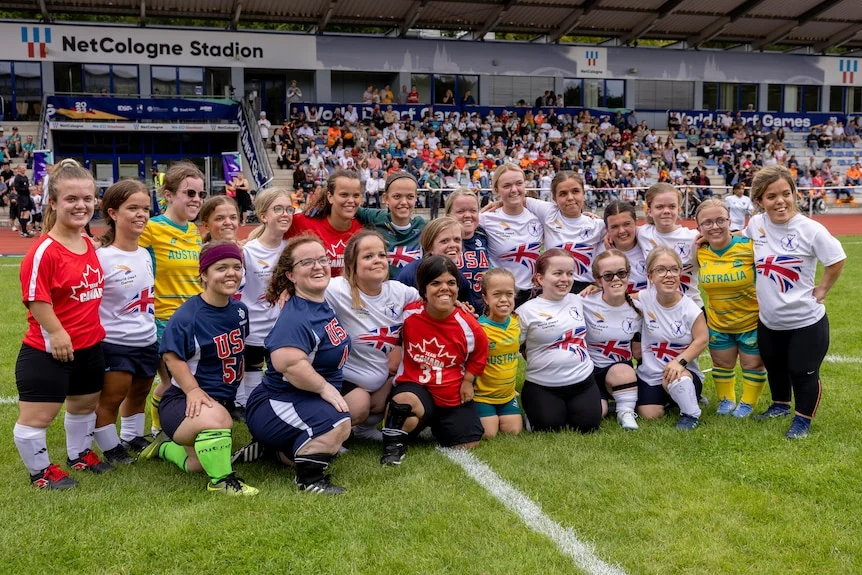
Julie enjoys competing internationally. (Supplied: Julie Dickson)


