More than a dozen suspected koi carp have appeared in Adelaide’s River Torrens, adding pressure to efforts to restore native species and prepare the waterway for platypus. Green Adelaide is using nets to catch fish recently spotted near Dernancourt, while urging residents not to release unwanted fish into the river. The sightings raise a practical problem for that recovery work: fish introduced by people can spread, while removing them from a flowing river is difficult once they’re established.
Unusual numbers in the river
The brightly coloured fish were seen last week near Hackney, between St Peters Weir and Hackney Bridge. A smaller group was reported upstream at Dernancourt. The sightings at two points suggest the response may need to account for fish across more than one stretch of the waterway, though the reports don’t establish how far they’ve spread.
Stuart Collard of Green Adelaide, which manages the Torrens environment, said the number of suspected koi was unusual. “We haven't seen those numbers, or in fact many records at all, of koi within the river,” he said. The organisation suspects members of the public released them. That remains a suspicion, rather than a confirmed account of how the fish arrived, but it fits a familiar risk with unwanted aquarium or pond fish: an easy release can create a problem that’s much harder to manage in the wild.
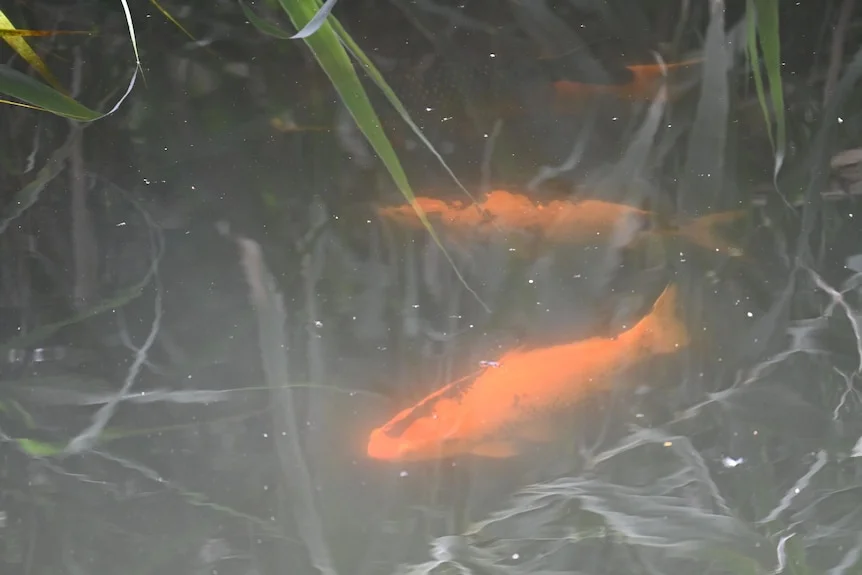
Some of the large group of koi spotted by an ABC reporter in the River Torrens at Hackney last week. (ABC South East SA: Caroline Horn)
Koi are classified as a noxious species in South Australia and can only be kept with a permit from the Minister for Primary Industries. Releasing koi, goldfish or other non-native fish into rivers is illegal; offenders can face fines of up to $120,000. The rule reflects the difference between keeping a fish in a managed setting and putting it into a connected natural system, where it may feed, reproduce and move beyond the point of release.
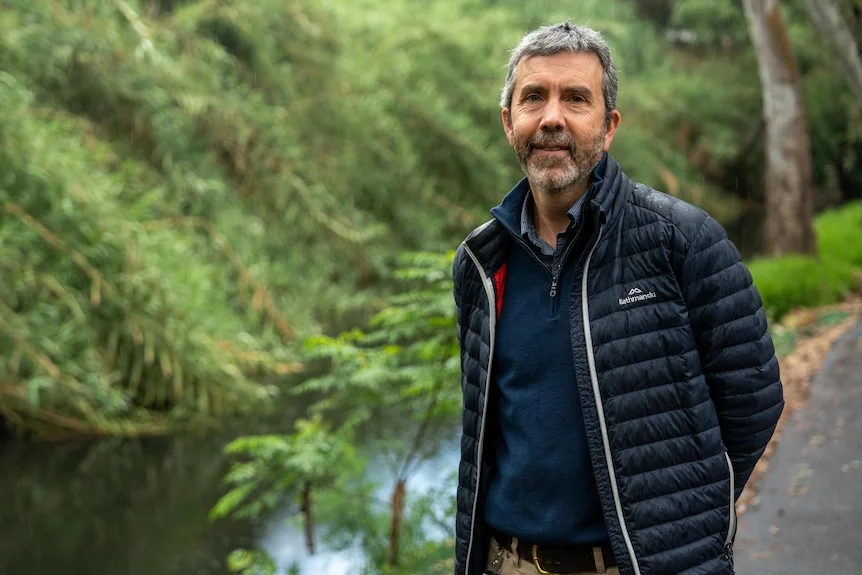
Stuart Collard is urging people not to dump koi, goldfish or other non-native fish into the River Torrens. (ABC News: Daniel Taylor)
Why early removal matters
Green Adelaide regularly catches goldfish during river surveys. Collard said residents do release them and that a self-sustaining population appears to have established in the Torrens. “It's not the right place for these species to be.” The goldfish record shows the issue isn’t confined to a single koi sighting: introduced fish can persist in the river, making prevention and ongoing monitoring part of the same task.
Koi, like European carp, compete with native fish for food. As bottom feeders, they also disturb sediment, which can affect the growth of aquatic plants. Those effects can matter beyond the fish themselves, because habitat and food sources help determine which species can thrive in a waterway. The exact impact of this group of koi hasn’t been established, but the ecological concern is clear enough to justify trying to remove them while their presence is still being tracked.
Collard said containing invasive fish early could prevent their populations from expanding through the river. That’s a difficult objective in an open waterway: nets can target known locations, but the effort depends on finding fish and responding as sightings emerge. Early action, then. This is more significant than it looks, because the cost of delay may be a broader and less manageable population.
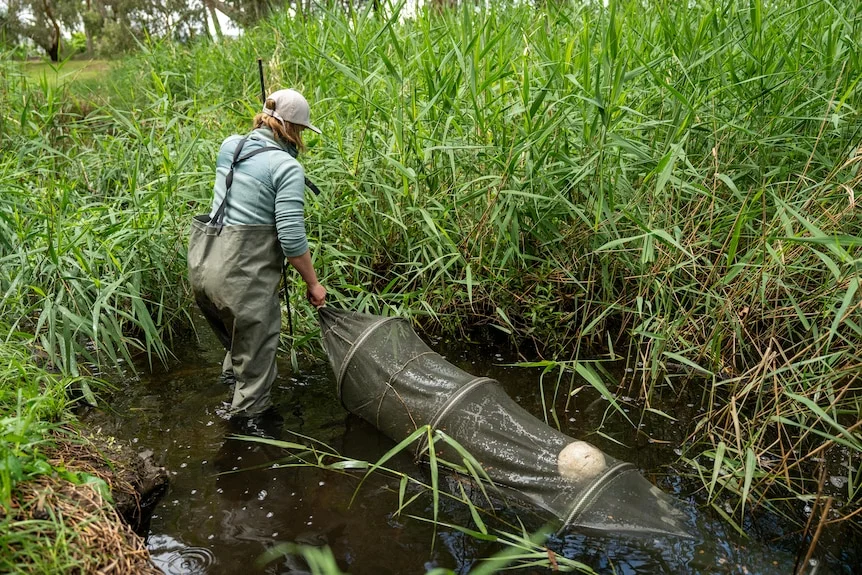
Nets are being deployed at Dernancourt to try to catch the rogue koi carp. (ABC News: Daniel Taylor)
Nets are being deployed at Dernancourt to catch the recently spotted koi. The work sits alongside a broader effort to improve conditions for wildlife in the waterway, including native fish and rakali. If you're working in this space, the challenge is familiar: a river can be improved for wildlife only if habitat work and the control of introduced species keep pace with each other.
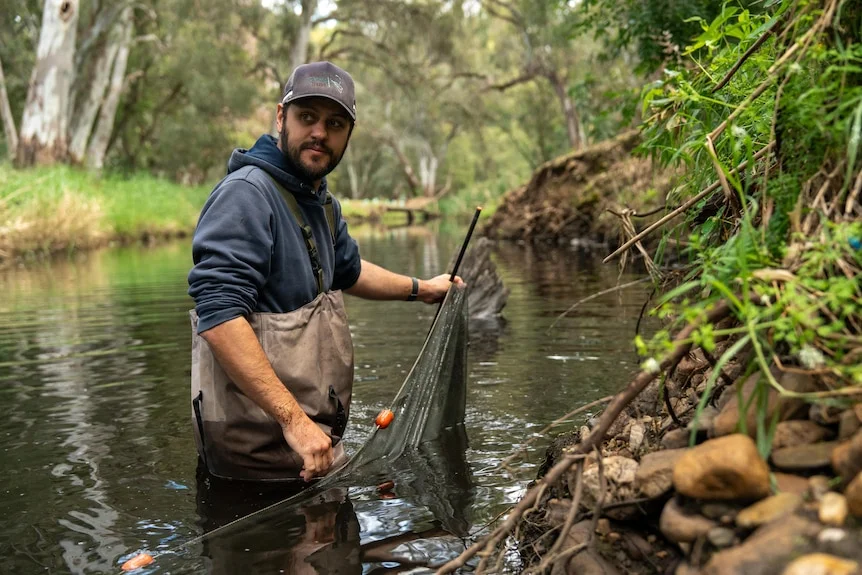
Matt Jacobs from the Glenelg Nature Trust undertaking work to catch the koi at Dernancourt. (ABC News: Daniel Taylor)
Preparing for platypus
James Johnston of the Invasive Species Council said the sightings were disappointing given the work underway to help native species recover. In August, the South Australian government announced an additional $4 million to support the return of platypus to the Torrens. That investment gives the fish issue a wider context: preparations for a species’ return depend on the condition of the ecosystem it would enter, not simply on the release of animals.
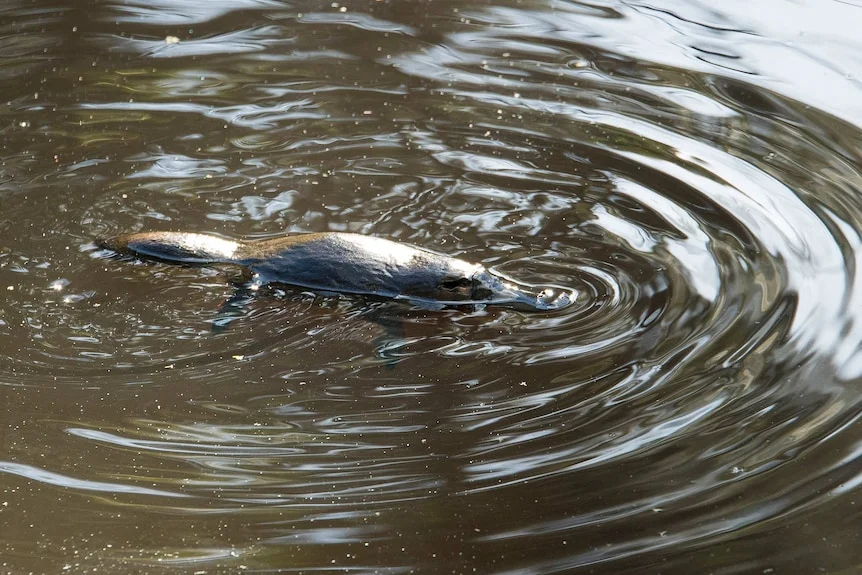
Work is being done to prepare the River Torrens for the reintroduction of platypus. (ABC News: Malcolm Sutton)
Platypus were last recorded in the river in the 1880s. Collard said the Torrens was approaching the point where it could sustain a population again, with any reintroduced animals likely to come from Victoria. The koi removal effort is one immediate test of whether that recovery can hold. It doesn’t by itself determine whether platypus can return, but it underscores that recovery depends on sustained attention to conditions throughout the waterway (and this is the part most people overlook).
What the sightings mean for the recovery effort
The immediate measure of progress will be whether the nets catch the koi and whether further reports emerge from other parts of the river. The available information doesn’t say how many fish remain, or whether they’ve reproduced. Those unknowns make public reporting and careful disposal of unwanted fish relevant to the response: one sighting can alert managers to a problem that routine surveys might not yet have located.
That said, removal is only one part of the work. The established goldfish population shows why preventing releases matters alongside catching fish already in the river. What this means for you is straightforward: unwanted koi, goldfish and other non-native fish shouldn’t be released into waterways. A river’s recovery is built through repeated, practical steps, and avoiding new introductions is one of the few that doesn’t depend on a net.


