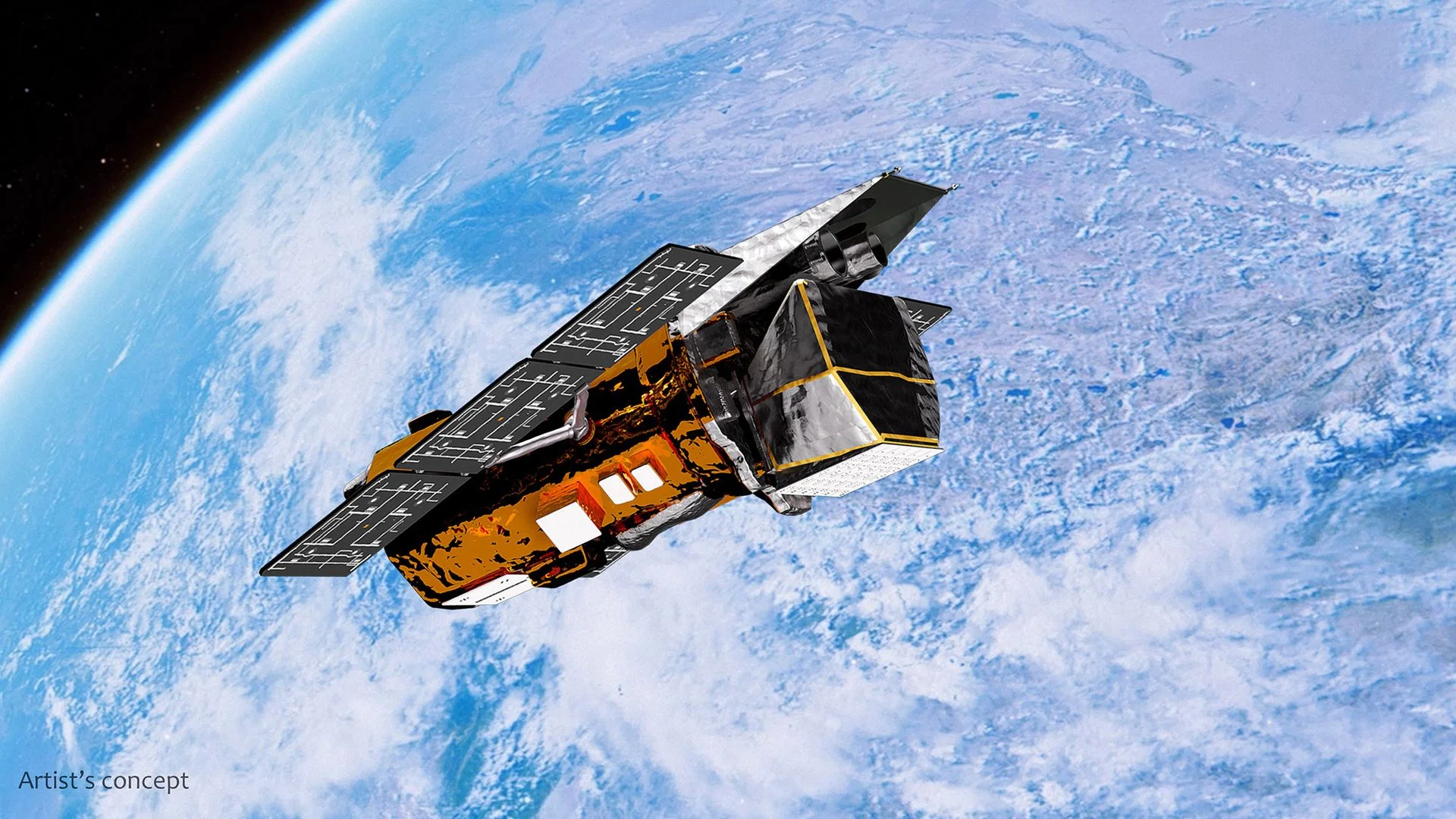
A short mission that reshaped fast-response astronomy
Swift’s defining contribution was speed: the observatory could turn toward a cosmic explosion within minutes, capturing events that fade before conventional telescopes can target them. After 22 years in orbit, NASA ended Swift’s science operations on Oct. 20, as its low altitude made reliable observations impossible. The shutdown closes the observing phase of a mission built around a practical problem: some astronomical events don’t wait for instruments to be scheduled, pointed and ready.
Launched in November 2004, Swift was designed for a two-year mission. It monitored the sky in optical, ultraviolet and X-ray wavelengths, studying gamma-ray bursts, supernovas, stellar destruction by black holes and other transient events. NASA says its observations contributed to roughly 7,000 scientific papers. That breadth matters because transient events can be brief and physically complex; observations across several wavelengths give researchers different kinds of evidence about what’s happening.
“Swift was designed as a satellite dedicated to studying gamma-ray bursts, outbursts that came and went so quickly that no one could target them with large telescopes to learn more,” said S. Bradley Cenko, the mission’s principal investigator at NASA’s Goddard Space Flight Center.
That design reflects a change in how astronomers can approach fast-moving events. A telescope that notices a burst but can’t respond quickly may miss the opportunity to study its early stages. Swift’s ability to turn toward an event helped make prompt follow-up part of the observation itself, rather than a separate step that might happen too late. The method doesn’t remove the limits of distance, duration or instrument sensitivity. It does give researchers a better chance of collecting information while a transient source is still active.
Shawn Domagal-Goldman, director of NASA’s Astrophysics Division, said Swift’s rapid observations advanced understanding of a changing universe and formed part of “a revolution in astrophysics.” The phrase points to more than a record of discoveries: Swift helped establish fast response as a useful way to study phenomena that otherwise might be gone before detailed observations begin.
Low orbit brings the mission to a close
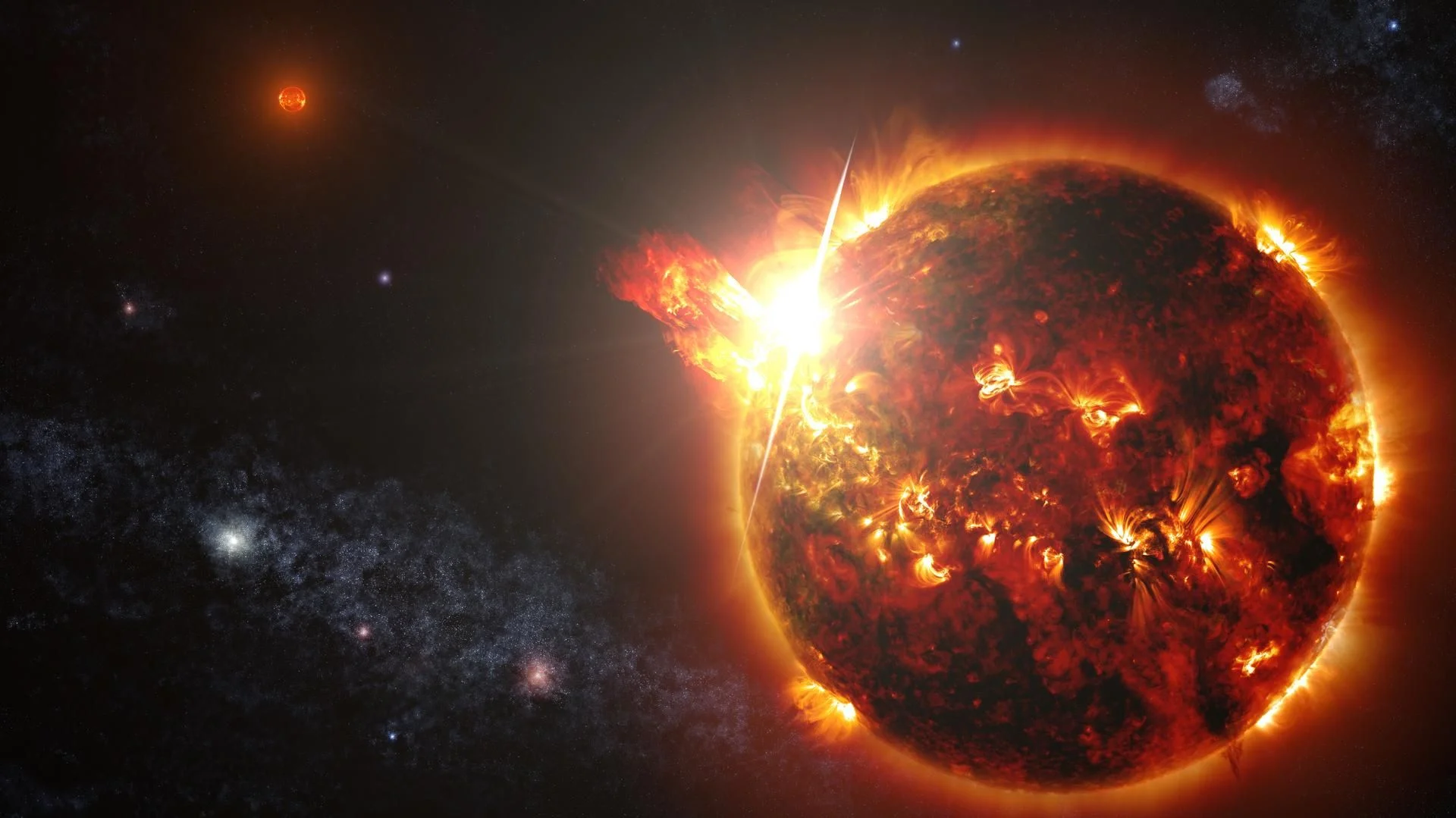
Swift is now about 171 miles (275 kilometers) above Earth, too low to gather dependable data. NASA expects the spacecraft to reenter the atmosphere and break apart “in the next few weeks.” Increased solar activity has raised atmospheric drag on satellites, speeding Swift’s orbital decline. In low Earth orbit, drag gradually reduces a spacecraft’s altitude; in Swift’s case, the decline has reached a point where dependable science observations can’t continue.
A planned effort to raise the observatory’s orbit failed in August. The private spacecraft intended to perform the boost suffered hardware malfunctions and burned up in the atmosphere, leaving Swift without a path to recovery. The attempt shows how a mission’s scientific value and its physical condition can diverge: an observatory can remain useful to researchers while its orbit becomes an increasingly difficult engineering problem.
The end of observations is therefore a consequence of both the orbital environment and the failed recovery effort. Swift’s instruments may have been designed to study distant, energetic events, but the satellite still depended on its position around Earth to do that work. Once it was too low to collect reliable data, its original observing model could no longer deliver the results the mission was built to provide.
Swift’s end marks the close of a mission that outlasted its original plan by two decades. Its record shows why rapid, multiwavelength observations matter: when powerful cosmic events appear and fade in minutes, the ability to respond quickly can shape what astronomers learn from them. The numbers here are striking, but the duration alone doesn’t explain the mission’s importance. Its lasting contribution is the evidence that a rapid alert and a coordinated set of observations can turn fleeting events into material for sustained scientific study.
What Swift leaves behind
Swift’s work offers a clear lesson for anyone following astronomy: observing time is only useful if it arrives when the event can still be seen. In this category of research, timing affects what questions scientists can answer, because the earliest signal may differ from what remains later. Swift’s rapid response gave researchers a way to pursue those fleeting stages across optical, ultraviolet and X-ray wavelengths.
And yet, speed isn’t a complete strategy on its own. Instruments need to detect an event, the spacecraft must be able to point toward it, and its orbit must support reliable operations. Swift’s final chapter makes those dependencies visible. The failed orbit-raising attempt removed a possible recovery route, while increased atmospheric drag continued to lower the spacecraft.
For future transient astronomy, the broad implication is straightforward: systems that can respond quickly are valuable, but their usefulness depends on the full chain from detection to follow-up and continued operation. This is more significant than it looks. Swift’s achievements weren’t simply a matter of seeing more events; they came from making observations while those events were changing. (And this is the part most people overlook.) A short-lived signal can become a much richer scientific record when an observatory is ready to follow it promptly.
Swift’s observing days are over. Its contribution will remain in the research built from its observations and in the case it made for rapid, coordinated astronomy. A mission planned for two years ultimately operated for 22, giving researchers a long record of cosmic events that don’t hold still for anyone.


