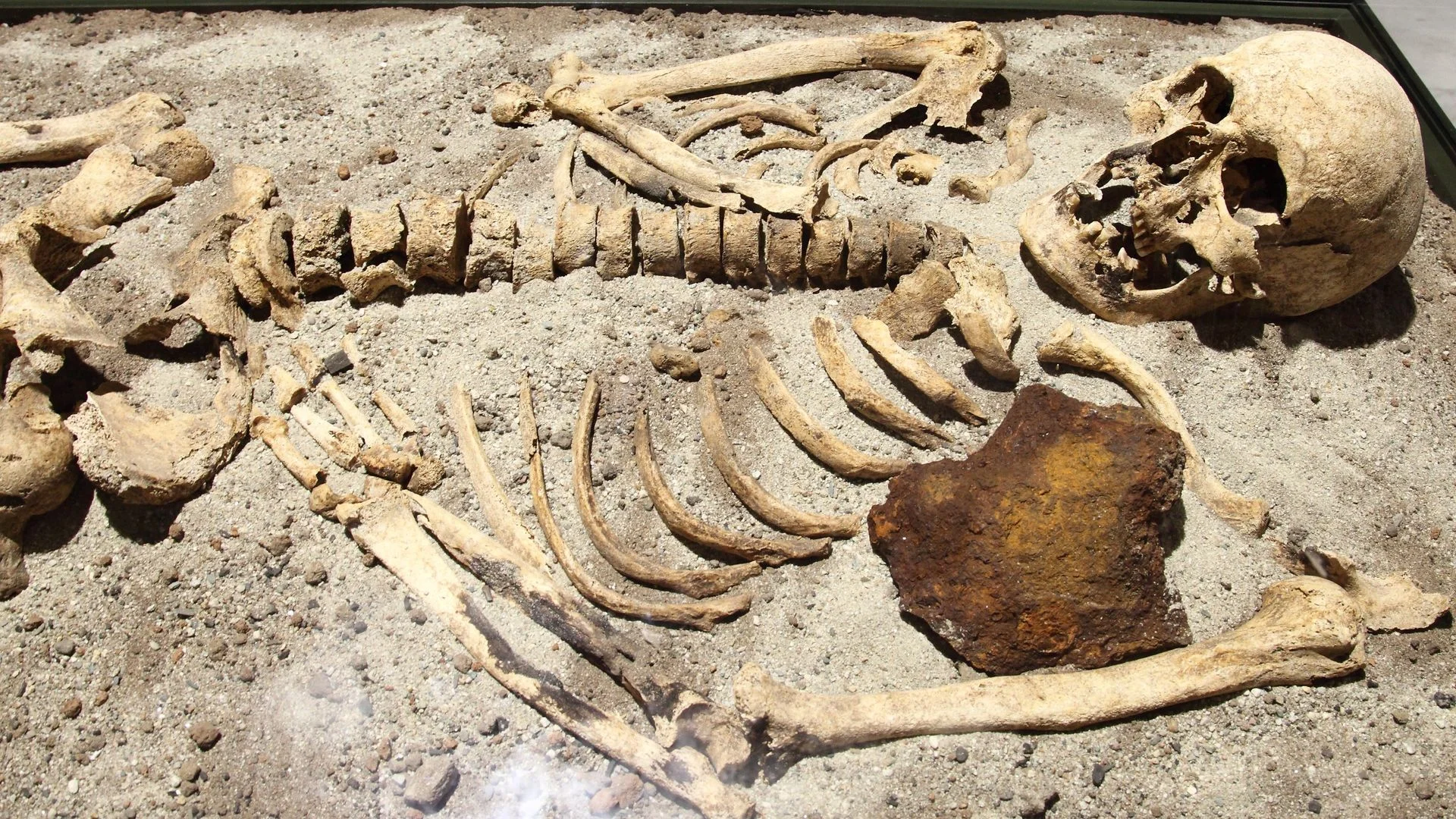
The story that people drank blood from vampire corpses to protect themselves may owe more to printed repetition and courtroom pressure than to established Polish custom. Historian John Blair traces the tale from a 17th-century account of practices in Angola to a report about Poland, where later writers repeated and reshaped it until it looked like settled folklore.
That path matters because stories about the undead were becoming easier to circulate. Printing gave readers across Europe a growing body of writing about restless corpses, and helped preserve claims long after their origins had become hard to check. By the early 18th century, vampire lore had entered a crowded market of academic argument and popular retellings.
Print made vampire lore durable
European writing about reanimated corpses appeared sporadically before a burst of theological and philosophical discussion around 1580 to 1610. From the 1670s, printed debate grew steadily, peaking in 1732. A major milestone came in 1746, when Benedictine scholar Dom Augustin Calmet published a survey of supernatural beings. Its vampire section drew on evidence and argument at a time when readers faced a jumble of repetitive accounts. The book was reissued several times, including in English in 1759.
Calmet’s work became a central reference for later writers. Popularizers repackaged its material for broader audiences; an 1820 pocketbook, Histoire des vampires et des spectres malfaisants (“History of Vampires and Malevolent Specters”), offered a compact version of Calmet’s discussions. His book helped carry vampire accounts into European and American fiction and purported history alike.
But print preserved stories, not necessarily reliable evidence. Once a claim appeared on the page, later authors could repeat it without verifying where it came from. The tale of consuming a vampire’s blood or organs shows how that process could turn a questionable account into an apparently established custom.
The story of drinking blood from vampire corpses begins in an unexpected account of healing practices in Angola.
A reported remedy travels from Angola to Poland
In 1687, Capuchin missionary Giovanni Antonio Cavazzi published an account of communities in West Africa. He described a practice among the Mbundu of Angola in which people reportedly cut the heads from recently buried, undecayed bodies and collected blood for medicinal use. The blood, he wrote, could be put into poultices or mixed into food, and the dead person would then lose the power to trouble the living.
Six years later, the Paris society magazine Mercure Galant published a related account attributed to Pierre des Noyers, a courtier and scholar who had spent several years in Poland in the service of Queen Louise-Marie. Des Noyers had written to a friend in 1639 about the upior in Ruthenian tradition and the striga in Polish accounts: a being said to be born with teeth, chew its burial shroud and then its own hands and arms, and bring deaths to its family. Decapitation and the release of blood were said to stop it.
That earlier description may preserve oral stories about a corpse that chewed its shroud. Des Noyers’s 1693 version, however, adds a different explanation. A demon supposedly left a dead body between noon and midnight to collect blood from living people or animals, then returned to store it in the corpse. The body would bleed from its mouth, nose and ears, grow swollen and red, and torment the dead person’s former companions and relatives in dreams.
The proposed remedy was to exhume the body, cut off its head and open its chest. The collected blood was then kneaded into flour and baked into bread, which the account called a certain cure. The vivid details invite scrutiny: the demon’s use of the corpse as a blood store and its specified hours of activity appear unusual, while the account’s remedy closely resembles Cavazzi’s earlier description.
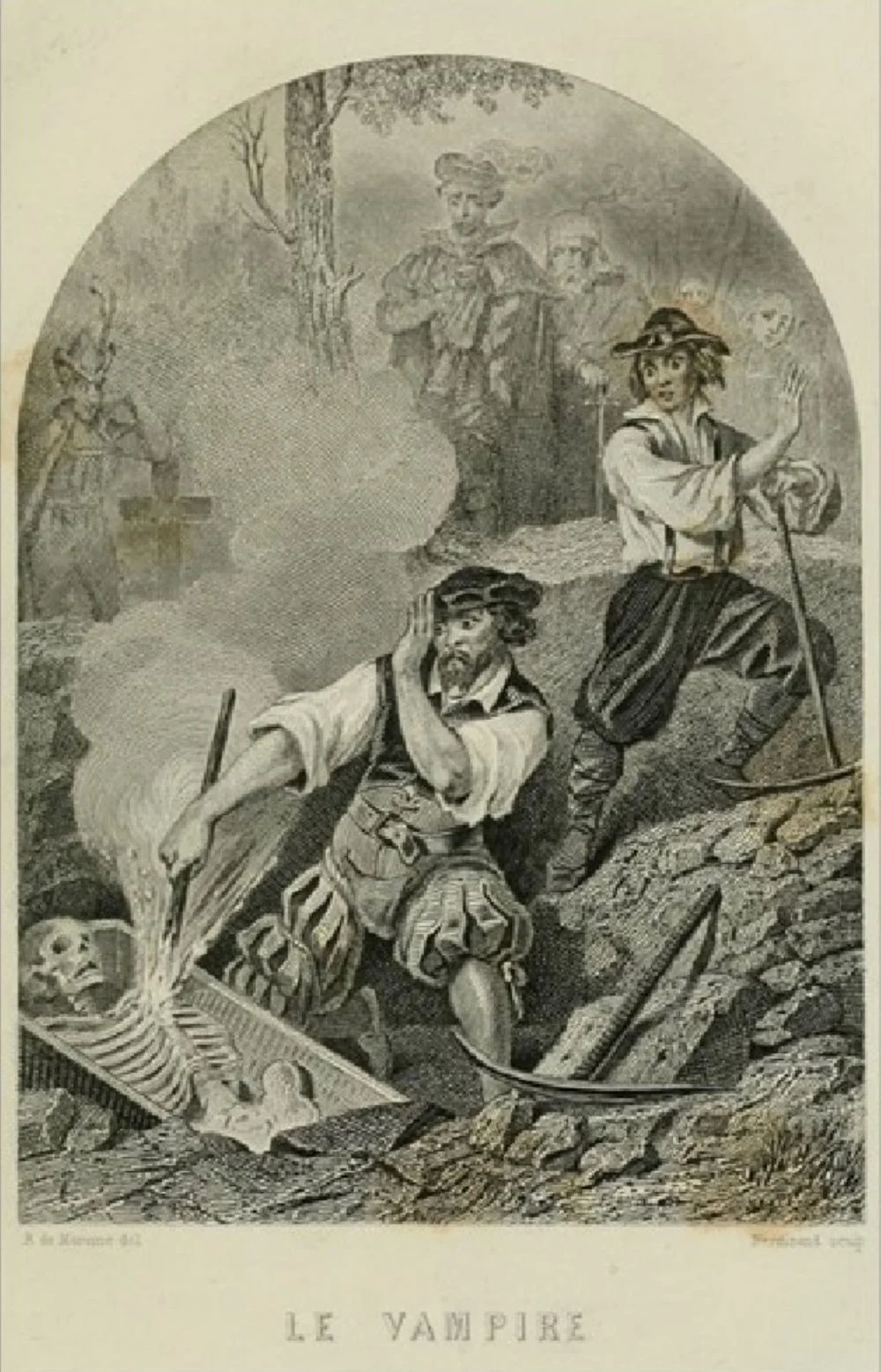
Blair argues that des Noyers’s account may have borrowed from Cavazzi’s report, published eight years earlier. A shared source that has not yet been identified is also possible. Either way, the close fit between the accounts leaves the Polish report on shaky ground as evidence of local belief. It may reflect medical ideas familiar to educated Europeans as much as a distinct folk practice.
Medical ideas made bodily remedies plausible
Early modern readers did not necessarily regard remedies made from human remains as absurd. The physician and alchemist Paracelsus (Theophrastus von Hohenheim, c. 1493–1541) argued that substances could heal through hidden influences or spirits, with the strongest remedies coming from the body or substance responsible for an illness. That framework informed practices involving Egyptian mummies and the blood of executed people.
At an execution in Vienna in 1668 or 1669, one man reportedly rushed forward to catch the blood of the condemned person, hoping it would cure his epilepsy. Such cases help explain why a report about blood as a remedy might have seemed credible to some readers. They do not, by themselves, establish that people routinely drank blood from suspected vampires.
Des Noyers’s narrative was later taken up by a lawyer named Marigner, who used it as the basis for extended reflections on vampires. Calmet then included it in his influential 1746 book. In his retelling, the creature becomes a vampire “or a demon in its form,” softening the earlier account’s unusual claim that a demon possessed and used a corpse.
Each retelling made the story easier to recognize within familiar vampire lore, while obscuring the uncertainty around its origin. A more recent version reportedly presents the episode as straightforward ethnographic evidence, dropping the demonic element altogether. The tale’s changing details show how repetition can make a narrative feel more consistent than its source material allows.
A 1713 trial offers a different kind of evidence
In 1713, villagers in Dąbrówka, now in western Ukraine, faced a Uniate episcopal court after exhuming and mutilating a woman’s corpse. They acknowledged digging up the body, saying the dead woman had walked about and attacked people. They also admitted to drinking blood mixed with vodka. But they denied cutting out the heart, blending blood with flour and baking cakes from it.
The judges doubted that denial and required the accused to swear an oath. That detail complicates the case: early modern witch trials often involved authorities pressing suspects to accept lurid accounts framed by their interrogators. Blair considers it likely that the judges introduced the blood-cake claim, and possible that they shaped the confession about drinking blood as well. The underlying act of disturbing a corpse may have been embellished with details familiar from des Noyers’s report, which had circulated for two decades.
The trial therefore cannot simply confirm the earlier story. It does show that accusations and beliefs about vampire remedies could meet in court, where the questions asked by authorities may have helped create the record later readers treated as proof.
Blair’s account, excerpted from Killing the Dead: Vampire Epidemics from Mesopotamia to the New World (Princeton University Press, 2025), makes a broader point about the history of vampire lore: printed texts and legal testimony can preserve stories while changing their meaning. For this particular blood-drinking tale, the evidence points to a chain of borrowing, interpretation and suspicion, leaving the original practice difficult to pin down.
Killing the Dead: Vampire Epidemics from Mesopotamia to the New World is by historian John Blair. The excerpt is published by permission of Princeton University Press.
References: [Iron padlock found around a child’s foot in a Polish grave; the use of Egyptian mummy substances.]


