Buruli Ulcer: Early Symptoms, Delayed Diagnosis and Treatment
2026-10-31 02:13
466 views
Buruli ulcer can begin as a painless lump months after infection. Learn how symptoms develop, where cases occur and why early diagnosis matters.
Buruli ulcer’s biggest risk may be how long it goes unnoticed
The danger with Buruli ulcer is its slow, deceptive start. A small, painless lump can take months to declare itself as an open wound, while *Mycobacterium ulcerans* damages the tissue beneath it. In about 90 per cent of cases seen by Daniel O’Brien, an infectious diseases physician at Barwon Health in Geelong and the Royal Melbourne Hospital, that lump progresses to an ulcer. Bone infection occurs in fewer than 1 per cent of cases.
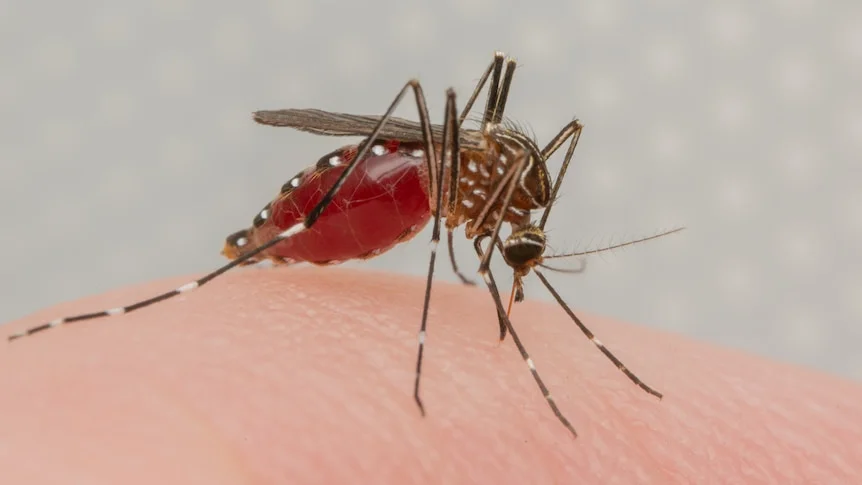
A bite from a striped or common backyard mosquito (*Aedes notoscriptus*) is one possible route of Buruli ulcer infection. (dan_photography/Striped Mosquito/CC BY-NC 4.0)
Buruli ulcer was once associated chiefly with West Africa. Victoria is now considered its global centre, recording 426 confirmed cases last year. The disease is endemic on the Mornington and Bellarine peninsulas, in Geelong and in some Melbourne suburbs. It also appears in coastal pockets of Queensland, where it’s sometimes called Daintree ulcer, and around Darwin. Cases have recently emerged near Batemans Bay on the NSW south coast (recent NSW cases).
The timing matters for anyone travelling: infection is typically acquired in summer and autumn, but symptoms often don’t show up until five or six months later. Visitors may return home before a lump appears, and their local doctor may not immediately suspect Buruli ulcer. If you’ve spent time in an affected area, tell your health practitioner.
What the infection does, and how doctors treat it
Mosquitoes can transmit *M. ulcerans* to people, which helps explain why ulcers often develop near bites on the arms or legs. Once the bacteria enter the skin, they release substances that numb the area, kill nearby tissue and weaken the immune response. “These things make it quite an impressive pathogen, and often, it's been there for a while before people actually know they've got it,” O’Brien says.
Doctors confirm infection by sending a swab for PCR testing. Treatment usually involves six to eight weeks of antibiotics. Those drugs can interact with other medicines and cause severe side effects; about 20 per cent of patients can’t complete the course. O’Brien is leading a trial of a new antibiotic that can be taken for just 10 days. He says it’s less harsh on the body and still effective against *M. ulcerans*.
Antibiotics are enough for most people, though extensive tissue damage or a wound that won’t heal may call for surgery. Even with treatment and careful wound care, recovery can take months or as long as a year. Early diagnosis improves outcomes, so get persistent or suspicious lumps checked promptly—especially after living in or visiting an affected area—and ask whether Buruli ulcer could be the cause.
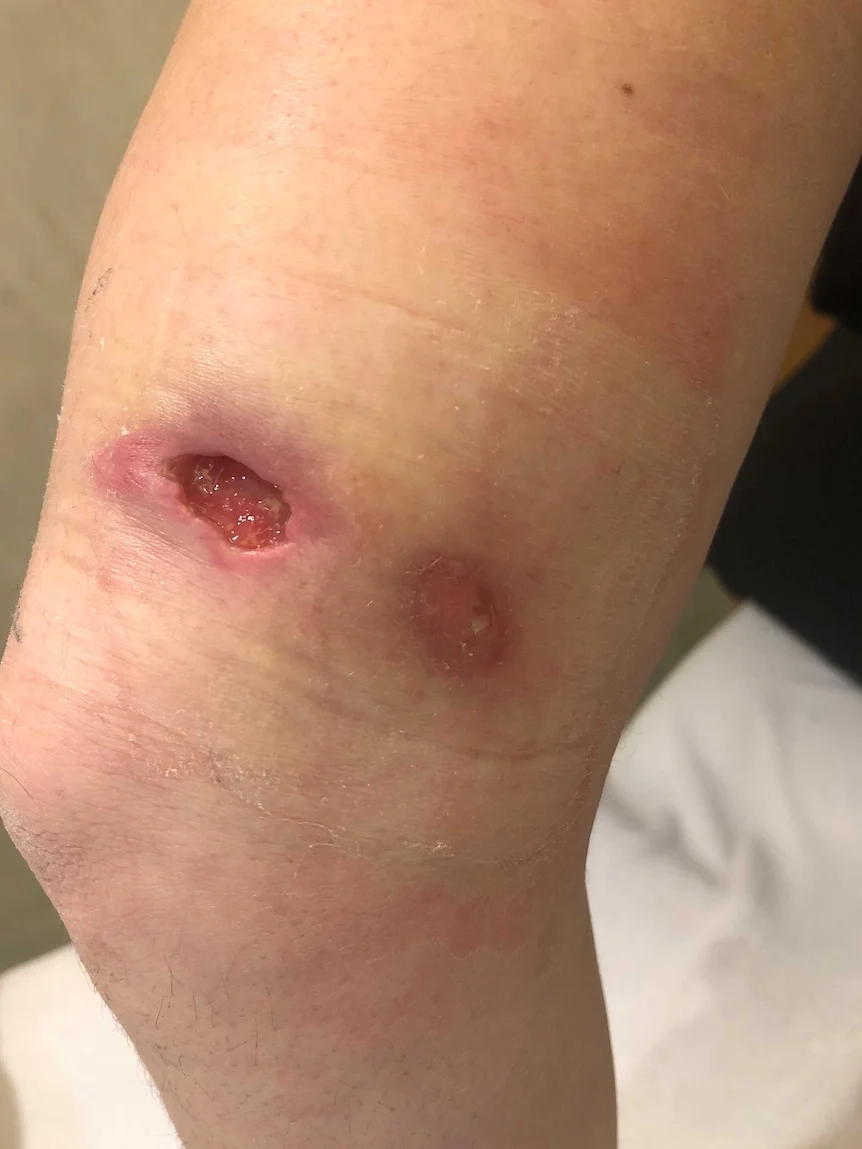
*M. ulcerans* infections can initially resemble nasty spider bites that don’t heal, O’Brien says, before developing into ulcers. (Supplied)
Reducing exposure around home and on holiday
Buruli ulcer cases are rising, but infection in humans remains uncommon. O’Brien’s advice is practical: “If you protect yourself from the environment … you really minimise your risk of acquisition.”
Mosquitoes aren’t the only part of the cycle. Brushtail and ringtail possums can develop ulcers on their paws, faces and tails, and shed the bacteria in their droppings. That can contaminate soil, which may introduce the bacteria through cuts in human skin. A 2025 study found that testing possum droppings could help identify areas where human cases might follow; those cases have appeared up to three years after the first positive possum test.
To lower your exposure, O’Brien recommends covering up, using mosquito repellent on exposed skin, and covering wounds when handling soil. If you get a cut, wash it with soap and water and apply antiseptic. Avoid handling possums that look sick or injured.
Mosquito control may also help. A recent study found that reducing mosquito numbers in Buruli ulcer areas was followed by fewer human cases. Tip out standing water where mosquitoes breed and consider using mosquito traps.
Possums aren’t all infected, according to research, and trapping, relocating or culling them without a licence is illegal. One possible future tool is an edible vaccine for possums, which could reduce infections and ulcers.
Hear more about Buruli ulcer on Outbreaks, a special series from Science Friction.