Horsham loses its last LPG pump
Horsham’s last LPG bowser has closed, turning a routine fuel stop into a long trip for drivers who depend on gas. The service station went into receivership this week, leaving the western Victorian town of about 20,000 people without an operational LPG pump. For most motorists, a station closure means finding another place to fill up; for drivers whose vehicles rely on LPG, it changes whether a trip is practical at all.
Warracknabeal, nearly 60 kilometres away, is the nearest option mentioned by residents—a 120-kilometre return journey. That distance matters even before the cost of the extra driving is considered: drivers need enough fuel to reach a pump, and some may not have petrol as a backup.
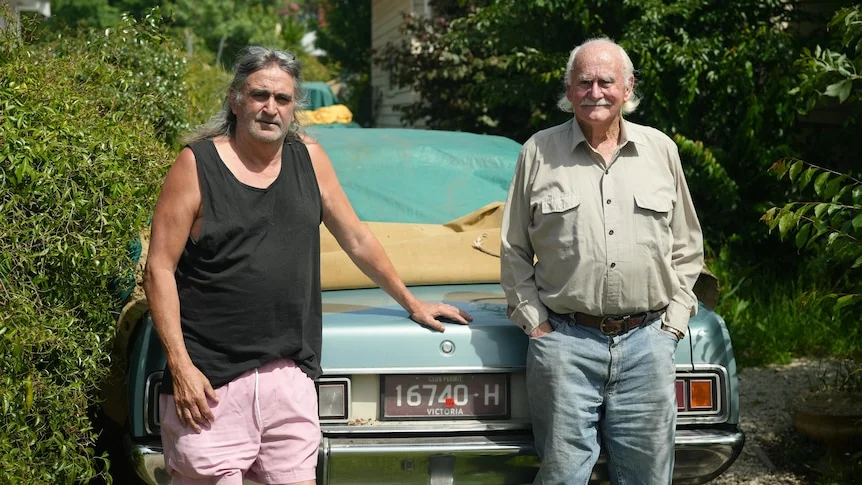
Dale Pickering (left) and Barry Nuttal have vehicles that run on gas. (ABC News: Nethma Dandeniya)
A shrinking market, fewer pumps
The closure reflects a wider retreat from LPG. Sales in Victoria fell from 1.9 billion litres in 2011 to 242 million litres in 2025. Across Australia, the number of LPG vehicles has dropped from roughly 500,000 in 2013 to 200,000, according to ELGAS. Those figures point to a shrinking customer base for stations, even as the fuel remains essential to the people still using it.
Rowan Lee, chief executive of the Australasian Convenience and Petroleum Marketers Association, said declining vehicle numbers have weakened demand. When station tanks need replacing, operators often choose not to reinvest. The decision reflects the basic trade-off facing a business: equipment has a cost, and a smaller pool of customers makes it harder to justify spending on a fuel line.
Some operators convert the space into parking, which can bring customers into the store and offer a better return, Lee said. That calculation may make sense for an individual station. For drivers, though, each closure can make the remaining pumps less convenient to reach, adding pressure to a market already losing users. This is more significant than it looks: the infrastructure can disappear faster than the needs of the remaining motorists.
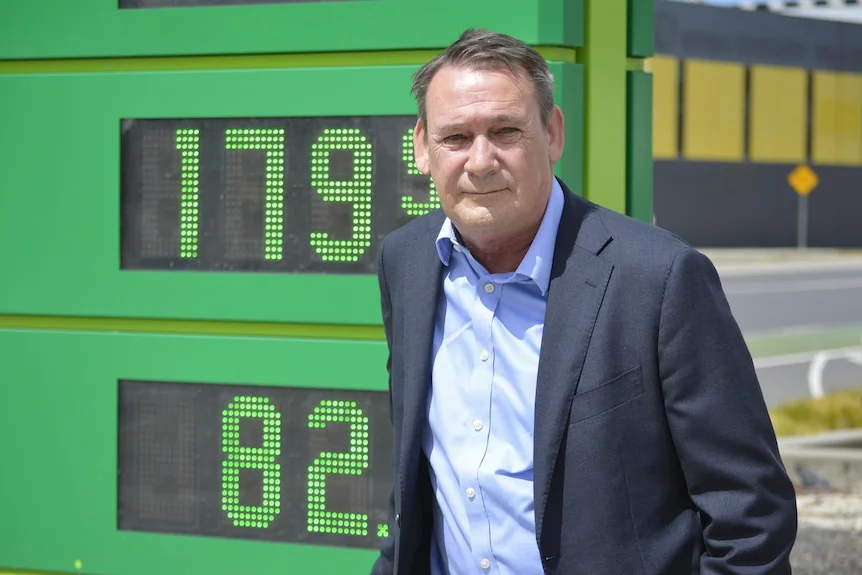
Rowan Lee says the demand for LPG has dropped and replacing infrastructure is expensive. (ABC News: Ed Gannon)
Lee said restoring LPG service in Horsham was “highly unlikely”. The economics behind the closure leave local drivers with little reason to expect another operator to install the equipment. A vacant pump site alone doesn't guarantee a replacement: a new operator would still need to see enough demand to make the investment worthwhile.
Drivers face higher costs and range concerns
Barry Nuttal’s truck can use either LPG or petrol, but he said the detour to Warracknabeal makes a gas refill impractical. “By the time you go up there you're running low, and by the time you come back, you're running low,” he said. He called the loss “a sad indictment on the town”. His account captures the problem with a distant pump: the journey itself consumes fuel and leaves less room for error.
Some residents had recently paid thousands of dollars to convert vehicles to gas in search of lower running costs. Nuttal said those savings have disappeared if drivers can no longer refuel locally. Dale Pickering, whose car runs exclusively on LPG, said the trip to Warracknabeal and back makes gas cost about the same as petrol. The calculation isn't just about the price shown at the pump; distance changes the cost of getting the fuel.
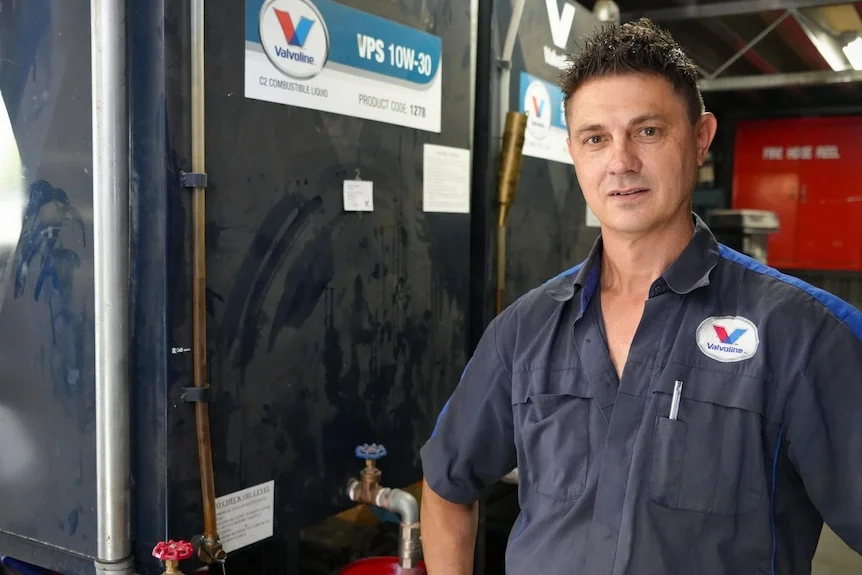
Mechanic Dave Hateley says those already doing it tough would feel the greatest brunt from the situation. (ABC News: Nethma Dandeniya)
Kylie Holliday learned of the closure with about a quarter of a tank remaining. Unsure whether she could reach another town, she considered asking a friend to follow her to Stawell in case she ran out. The episode shows how a local supply gap can become an immediate safety and planning concern for someone who discovers it mid-journey.
Mechanic David Hateley, a licensed LPG fitter for more than 30 years, said people on lower incomes may feel the loss most sharply. Older cars that still have useful life could be taken off the road if their owners cannot access affordable fuel. For households already counting the cost of keeping a vehicle running, replacing a car may not be a straightforward answer.
Dedicated LPG drivers passing through Horsham could also find themselves stranded; as Hateley put it, they may need a tow to reach the next town. A vehicle that can't switch fuels has less flexibility when the nearest pump is out of reach. And this is the part most people overlook: reliable access is part of the value of a fuel, alongside its price.
What the closure means for the region
The practical takeaway is immediate: LPG motorists in and around Horsham need to plan refuelling beyond town limits, while the declining vehicle fleet gives operators little commercial incentive to bring local supply back. If you're working in this space, the case illustrates the tension between a market's overall direction and the needs of the people who remain dependent on it. Fewer vehicles can make a pump harder to sustain, while fewer pumps make owning an LPG vehicle less useful.
That said, the source offers no indication that another station is preparing to restore service. Anne Webster, the federal member for Mallee, said she understood residents’ frustration and noted that service stations make their own decisions about which fuels to sell. Horsham Rural City Council said the issue had not been raised with it. BP Australia had been contacted for comment.
For local drivers, the outlook is uncertain and the inconvenience is already here. Until access changes, planning around the nearest known pump is part of owning an LPG vehicle in the area. A long detour.


