In ulcerative colitis, pain can persist after visible inflammation has eased. A new mouse study points to a possible reason: gut tissue may remain stiff, activating a pathway between resident immune cells and nearby pain-sensing nerves. The findings suggest that this physical change could sustain pain even when a colonoscopy appears normal.
Published Oct. 23 in Science Immunology, the research identifies a role for Piezo1, a protein found in both immune cells and neurons. In immune cells, Piezo1 is associated with inflammation; in neurons, it helps transmit pain signals. The team led by Dr. Heng Xu of Ninth People's Hospital in Shanghai investigated how it behaves in colitis.
A mechanical signal from the gut wall
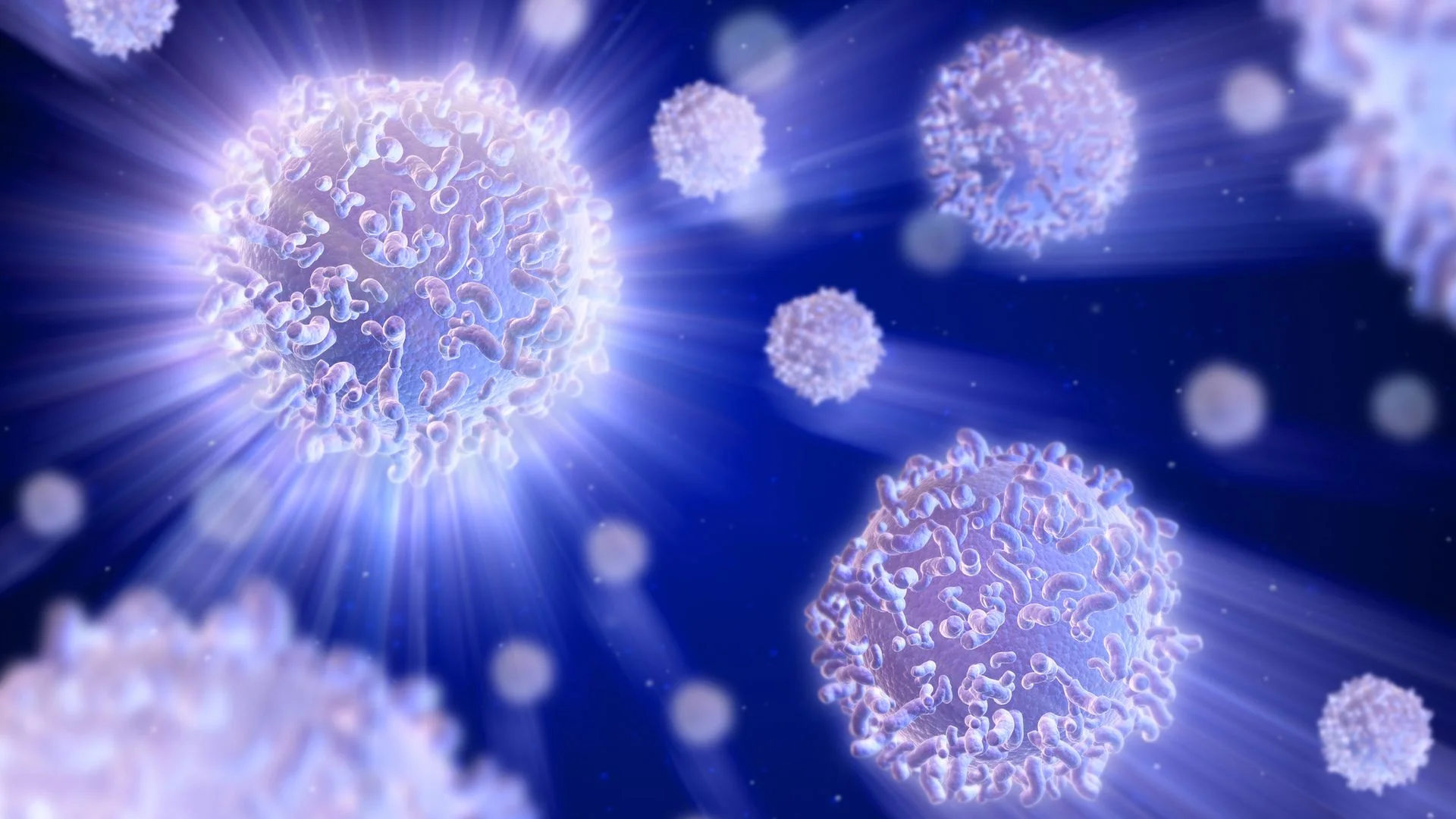
The researchers analyzed single-cell sequencing data from gut tissue taken from people with ulcerative colitis and mice with the disease. One group stood out: immune cells that normally reside in the gut wall. These cells were more abundant in colitis samples and carried more Piezo1 than the other cell types examined. They also sit close to nerve endings, Xu said.
Experiments in mice revealed that gut tissue was stiffer in two colitis models: one with visible inflammation and one with little visible inflammation. The animals in both models showed pain. That pattern points to tissue stiffness as a potential source of ongoing discomfort, separate from the inflammation visible during examination.
Xu described the change as tissue becoming less elastic, much like a scar. When stiff tissue is pulled or compressed, Piezo1 in nearby immune cells can open like a mechanically activated channel. The resulting signal sets off a molecular chain that ultimately affects pain-sensing nerves.
From Piezo1 to nerve sensitivity
Once Piezo1 opens, calcium ions enter the immune cell. That rise prompts NF-kB to move from the cell’s interior into its nucleus, where it activates a gene that directs production of nerve growth factor, or NGF. The immune cell releases NGF, which can amplify pain signals.
In the study’s proposed pathway, NGF acts on nearby sensory neurons. Their nerve endings become denser and more sensitive, so routine gut activity may register as painful. The mechanism offers a possible explanation for why some people with ulcerative colitis report pain despite low visible inflammation.

To test Piezo1’s role, the team used chemicals to open or close the channel in immune cells, then monitored calcium signals and NGF production. Both changed in step with the channel, suggesting Piezo1 activity can drive this response in the cells.
The researchers also removed the Piezo1 gene from gut immune cells. In both mouse models, this eliminated pain hypersensitivity; the intervention caused no reported problems in healthy mice. These results make Piezo1 a potential target for interrupting the pathway, though they don’t establish that the same approach will work in people.
What the findings leave open
Hongzhen Hu, scientific director of the Mark Lebwohl Center for Neuroinflammation and Sensation at the Icahn School of Medicine at Mount Sinai, called the study “well controlled.” Hu, who wasn’t involved in the research, said future work should examine cytokines—the chemical messengers involved in inflammation—and test whether the pathway also occurs in human cells.
The mouse models may not capture the course of chronic disease in patients: the animals’ symptoms were transient, Xu said. That limits how far the findings can be extended to long-term IBD pain.
Xu and his colleagues are working toward a drug that could target Piezo1 locally in the gut. Their aim is to reduce pain without suppressing the immune system throughout the body. Current approaches can include immunosuppressants and opioids, while blocking NGF directly may carry a trade-off: the protein also supports nerve maintenance.
For now, the study reframes one possible source of persistent gut pain as a mechanical signal that immune cells translate into nerve activity. Confirming that pathway in human tissue will be an important step toward judging whether it can guide more targeted treatment.


