The Learjet’s broken tail elevator has become a key line of inquiry after the aircraft broke apart before impact in Greenacres, Florida. Investigators found pieces of the tail kilometres from the crash site, while the co-pilot’s final radio calls reported ice and violent turbulence. Those clues put the aircraft’s control surfaces and the conditions it encountered at the centre of the inquiry, though neither yet explains how the emergency developed.
The jet, bound for the Bahamas, had taken off from Austin, Texas. It crashed on Sunday, local time, about 11 kilometres southwest of West Palm Beach. Debris spread across a wide area; roughly 600 nearby residents were displaced, and one person on the ground was reported injured. The location and spread of the wreckage will help investigators map the aircraft’s final moments, but the debris field alone can’t establish when or why the tail separated.
A damaged elevator points investigators toward new questions
Tom Chapman of the National Transportation Safety Board said the tail’s elevator, which controls the aircraft’s pitch, had broken into three pieces. Without an intact elevator, the pilot would not have been able to pull the Learjet out of its nosedive, Chapman said. That describes the aircraft’s loss of control, but it doesn’t establish whether the elevator failed first or was damaged as the aircraft broke apart.
Images taken just before impact also appear to show the elevator missing. Chapman called its loss an important piece of evidence that will help direct further investigation. Weather conditions are another focus. Investigators will need to compare the wreckage, flight information and radio calls to understand how those lines of inquiry fit together. A striking clue, but not yet a conclusion.

Police work near the scene of the crash in Greenacres, Florida. (AP: Rebecca Blackwell)
Final radio calls describe ice and turbulence
Co-pilot Nathalia Gadelha Filgueiras told air traffic controllers that ice was building on the aircraft. She also reported severe turbulence pitching the jet up and down by more than 210 metres. In the final two minutes, her measured updates gave way to urgent calls as the aircraft descended. She was heard saying, “We’re going to die,” before impact. The sequence records a rapid deterioration from a reported weather problem to an apparent loss of control, but the transmissions don’t by themselves show what triggered that change.
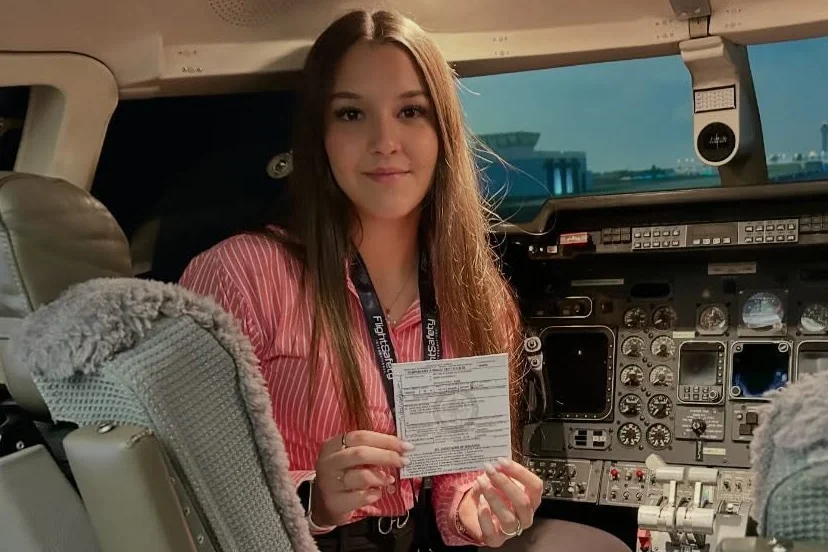
Nathalia Filgueiras has been identified as one of the pilots in the Florida crash. (Supplied: @itsnatfilg/Threads)
Filgueiras’s stepfather, Thiago Corteleti, told the New York Post that she texted her boyfriend about 10 minutes before the crash: “I’ve got turbulence, I’ve got ice.” The messages came before the emergency became critical. They offer a personal account of what she was experiencing, while the radio calls provide a record of what she reported to controllers. Investigators will have to place both alongside the physical evidence.
Jeff Gregory, 55, was the other pilot, his family confirmed. He held airline transport pilot and flight instructor certificates, according to Federal Aviation Administration records, and had worked for a charter company in Allentown, Pennsylvania. His family believes he can be heard praying in the background of the final radio transmissions. That interpretation belongs to the family; the available account doesn’t establish what Gregory said or what the pilots were doing as the jet descended.
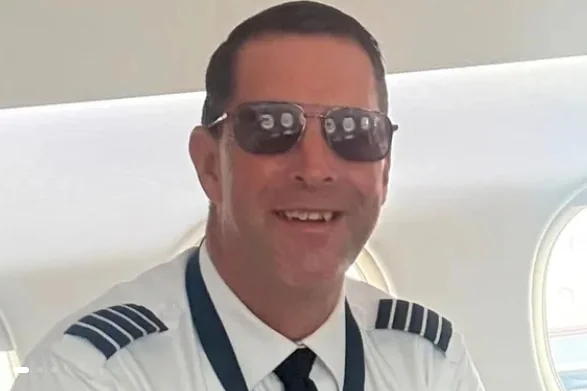
Jeff Gregory, 55, was one of the pilots on board the Learjet that crashed near a residential area in Florida. (ABC via GoFundMe)
Adam Robinson, a technology entrepreneur, was aboard with his wife, Helen Sharp, and their two young children, relatives said. Their presence on the flight, alongside the two pilots, makes the crash’s human toll clear amid the technical focus on the tail and weather. The account identifies those aboard but doesn’t provide further information about the passengers or their plans.
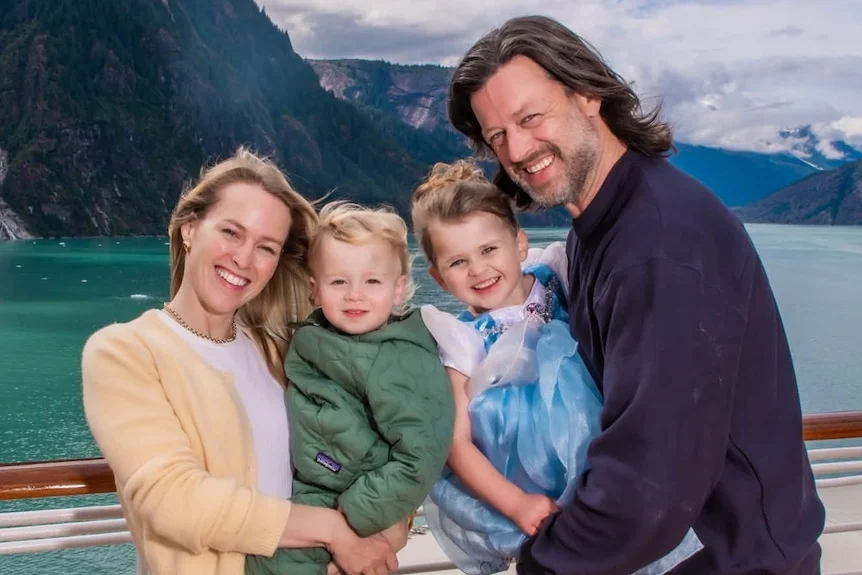
Adam Robinson and his young family were on board the plane that crashed. (Facebook: Anthony Robinson)
What the investigation still needs to establish
The NTSB expects to release a preliminary report in about a month. Determining the cause will take longer than a year, leaving the elevator damage, reported icing and severe turbulence as central evidence as investigators reconstruct the flight. A preliminary report can set out what investigators have established early on, but the account here offers no basis for treating it as a final explanation.
This is more significant than it looks: a broken elevator is a physical finding, while ice and turbulence are reports from the cockpit. Connecting them requires investigators to establish the sequence of events, including when the tail was damaged and how the aircraft responded. If you’re working in aviation, that distinction matters; an alarming final transmission and a visible wreckage clue can point the inquiry without settling cause. The answers will take time, and the evidence may support a more complex account than any single clue suggests.
ABC/AP


