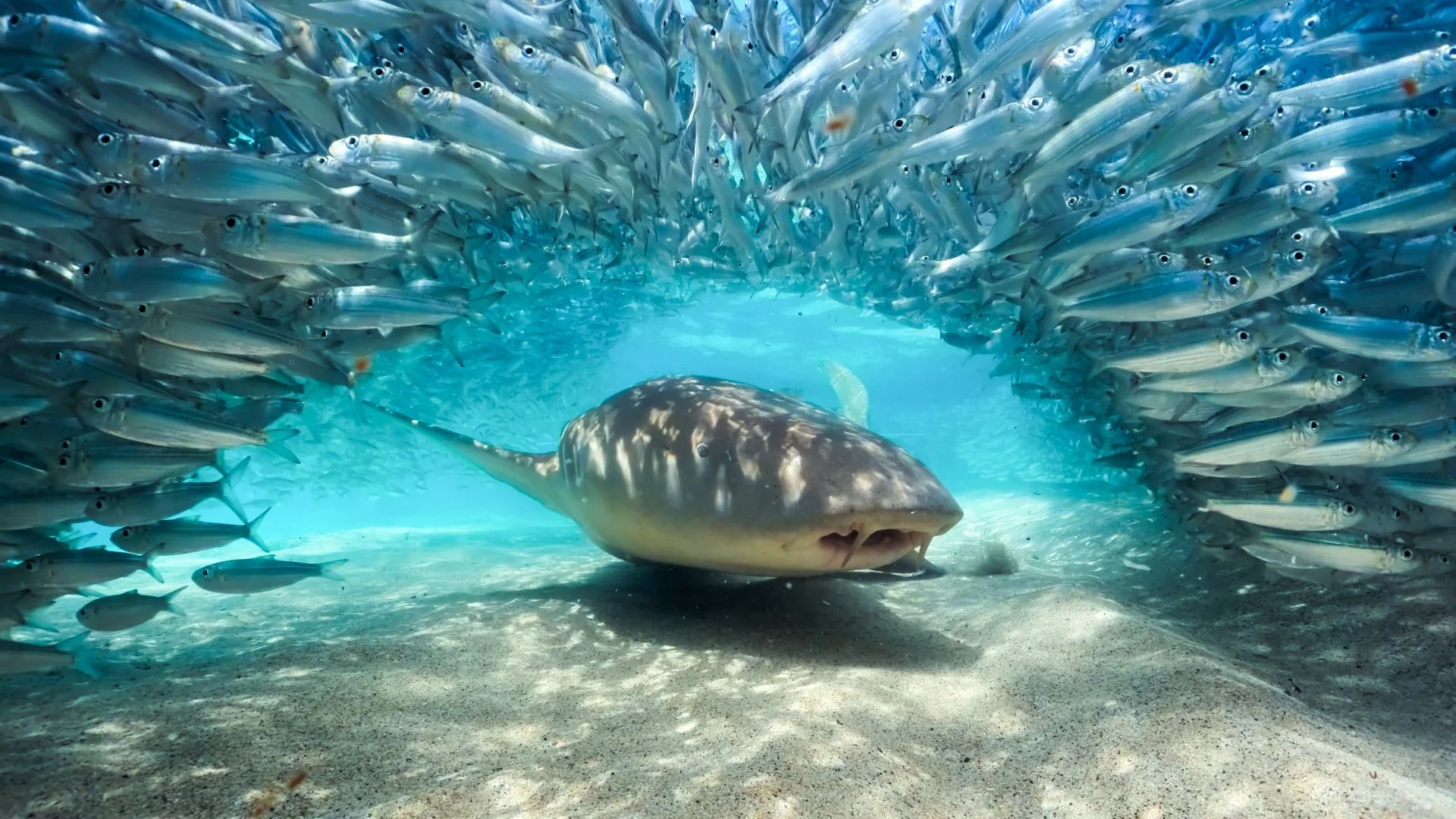
The biggest change in Blue Planet III may be its outlook. Where the 2017 series highlighted plastic pollution, the new six-part season focuses on “stories of hope and recovery” across five marine habitats, while reserving its finale for the challenges ahead. That shift changes the frame of the series: viewers are being invited to see marine life not only through the damage humans cause, but also through evidence of recovery and the conditions that allow it. Sir David Attenborough returns as narrator, and new “splash drones” can land on, float across and take off from the water. The technology adds a practical tool for filming the sea, though the central editorial question is how the series balances hopeful stories with the pressures it says remain.
The series premieres on BBC One in the UK at 8 p.m. on Sunday, Nov. 1. Viewers can also stream it on BBC iPlayer, which is free for UK viewers; users must confirm they have a TV licence. That combination of a scheduled broadcast and on-demand access gives viewers two ways to watch, but the licence requirement is part of the arrangement for UK audiences. For a series built around large, visually detailed environments, the streaming option may also make it easier to watch at a time and pace that suits the viewer.
Six episodes, five ocean habitats
The season travels through tropical seas, the open ocean, seasonal seas, polar waters and the deep. Those settings span very different conditions, from warm shallow waters to remote and difficult-to-film environments. Organizing the season around habitats gives the series a way to move between distinct marine worlds rather than treating “the ocean” as one uniform place. It also gives viewers a useful map for understanding how varied the subject is, even when the episodes share a focus on wildlife and recovery.
Its final episode, “Future Seas,” turns from wildlife stories to the pressures facing the oceans and ways to protect them for future generations. Placing that discussion at the end gives the season a clear change of emphasis: the earlier episodes build a picture of marine life, while the finale asks what might shape its future. The hopeful framing depends on that connection. Recovery stories can show what is possible, but they don't, by themselves, explain whether improvements can last or how widely they apply. The finale's attention to both pressures and protection should help keep that distinction in view.
The camera technology is part of the series’ approach to filming these environments. Splash drones can operate directly on the water, adding a new way to capture marine life from above and at the surface. A device that can land, float and take off may give a production more flexibility around the boundary between air and sea, where conventional viewpoints can miss activity close to the surface. That could help make the settings easier to observe on screen, although the technology is a means of recording the story, not evidence in itself of ecological change. (And this is the part most people overlook.) A striking shot can make an environment feel immediate; the reporting and context still have to explain what the image shows.
US and Australian release plans
US viewers will have to wait until Jan. 23, 2027, when Blue Planet III is scheduled to begin on BBC America and AMC+ at 8 p.m. ET/PT. The six episodes are set to air weekly on Saturdays, with each also available on AMC+. The staggered schedule means audiences in the UK and US won't encounter the season at the same time, and the weekly US rollout gives viewers a new episode at a regular interval. For people who prefer to watch a series in one stretch, that schedule will require some patience.
In Australia, Channel Nine has secured the rights to the series, but a premiere date hasn’t been announced. That leaves Australian viewers with a confirmed broadcaster but no viewing timetable yet. The difference matters for anyone trying to follow discussion as episodes arrive in other markets: access and timing can shape when viewers are able to join in, even when the programme itself is the same. Until a date is set, the Australian release remains an open part of the rollout.
Watching while travelling
People travelling outside their home country may find that streaming access depends on location. A VPN can change a device’s apparent location, though access remains subject to each service’s terms. UK viewers abroad can check whether their usual services are available to them while travelling. Availability can vary by service and destination, so it’s sensible to check the platform’s own information before relying on a particular way to watch. If you're working out where to catch the series on a trip, the broadcaster’s schedule and the streaming service’s access rules are the practical details to confirm.
What the change in emphasis means
The release schedule gives UK audiences the first look, with US viewers following in January and Australian viewers still awaiting a date. For now, the clearest sign of what the new season brings is its shift toward recovery—and the closing question of what comes next for the oceans. This is more significant than it looks: a nature series can influence what viewers notice, and a season organized around recovery may make ecological change feel less abstract. But hope works best when it stays connected to the constraints and threats the programme also says it will address.
That balance will determine whether the new approach feels persuasive. “Stories of hope and recovery” can offer a welcome counterweight to accounts centered on environmental damage, especially when they show living systems rather than presenting the ocean only as a list of problems. Yet the phrase also sets an expectation: viewers will want to understand what has recovered, what helped, and what remains vulnerable. The finale’s focus on pressures and protection gives the season a place to address those questions. A change in tone, on its own, doesn't answer them.
There’s also a useful distinction between the series’ two kinds of promise. Its subject is the condition of marine habitats; its production promise is a new way to film them. Splash drones may offer fresh views, while the five-habitat structure gives the season breadth. Neither guarantees a deeper account. That depends on how clearly the episodes connect what viewers see with the pressures shaping these environments. A fresh angle, literally and editorially.
For viewers, the practical details are straightforward: the UK premiere is on BBC One, with BBC iPlayer available to eligible UK viewers, while the US start is scheduled for Jan. 23, 2027, and Australia has no announced date. The larger question is whether the season can make recovery feel both credible and conditional. If it can, the hopeful framing may sharpen the discussion of what protection requires; if it can't, the closing look at future challenges may carry more weight than the stories that precede it.


