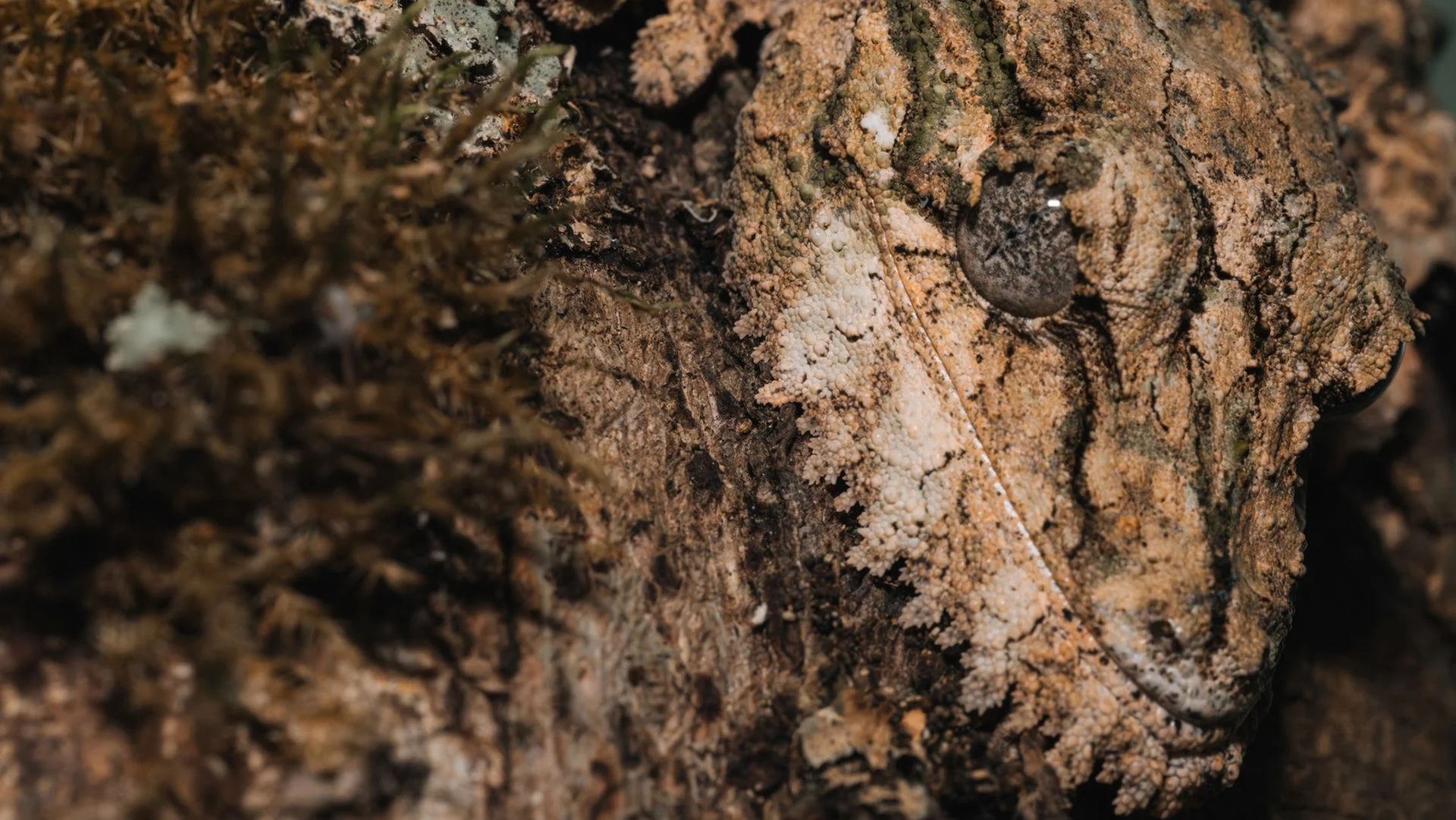
Animal deception may depend less on brain size than on social opportunity. That’s the case James O’Hanlon makes in Liars, Cheats and Copycats: Trickery and Deception in Nature, his 2026 book from Columbia University Press. The biologist’s argument reaches beyond camouflage and mimicry: some animals appear to mislead others deliberately to gain food, mates or an advantage within a group.
That claim comes with a scientific caveat. Researchers can observe what animals do, but they can’t directly inspect an animal’s thoughts. O’Hanlon’s best judgment is still a clear yes: animals can lie. The evidence, he says, points toward intentional deception, even if the line between a conscious choice and a learned social response remains hard to draw.
In a conversation with Live Science, O’Hanlon discussed deceptive alarm calls, cuttlefish courtship and why scientists can be reluctant to attribute clever behavior to animals with small brains. The exchange has been condensed and lightly edited for clarity.
When deception doesn’t require a plan
O’Hanlon’s interest in the question began with a deceptively simple one. After a talk at a senior citizens’ club, a woman asked him how an orchid mantis knows to look like a flower. He couldn’t give her a straightforward answer, and the question stayed with him.
The answer, he came to think, may be that it doesn’t know. A moth that resembles a hornet, or an insect that looks like a leaf, needn’t understand what it’s imitating. Those forms can arise and persist because they help the animal survive. The effect may deceive another creature, but that doesn’t mean the animal designed the disguise with a particular observer in mind.
That distinction separates camouflage from tactical deception. Camouflage works whether its wearer knows about it or not. A lie, in O’Hanlon’s framing, requires some choice to mislead another animal. Whether that choice is conscious is a harder question—and the definition gets blurry quickly.

O’Hanlon says the animal examples that look intentional are largely drawn from social species. Solitary animals don’t appear to show the same pattern. That could mean deception becomes useful where animals interact often enough to exploit one another’s expectations, though he stresses that the evidence is still early and doesn’t establish how deception relates to group size or social bonds.
Golden snub-nosed monkeys offer one example of the social stakes. Some use deceptive alarm calls to frighten group members away from food, then take it for themselves. But repeated tricks can lose their effect: other monkeys may stop responding to a caller’s warnings. O’Hanlon suggests this could reflect rules within animal societies that put limits on deception. It’s a possibility, not a settled finding.
Social tactics can matter more than raw brain size
One long-standing assumption is that lying demands advanced cognition: an animal must understand what’s happening, imagine a false version of events and prompt another animal to believe it. That line of thinking has often linked deception with large brains—and with a flattering view of humans as uniquely clever.
But studies have challenged the idea that only great apes can manage tactical deception. Research on chimpanzees found that they could mislead competitive human handlers by directing them toward empty boxes. A 2017 study found dogs learned to mislead handlers much faster. For O’Hanlon, those examples support a broader point: animals can do more with the brains they have than people once assumed.
That doesn’t prove that all deception works the same way, or that a quick learner is a more sophisticated liar. It does suggest that social circumstances may create strong incentives to mislead, even when the behavior doesn’t resemble human planning. O’Hanlon cautions that scientists still need more evidence to connect degrees of sociality with the frequency of deception.
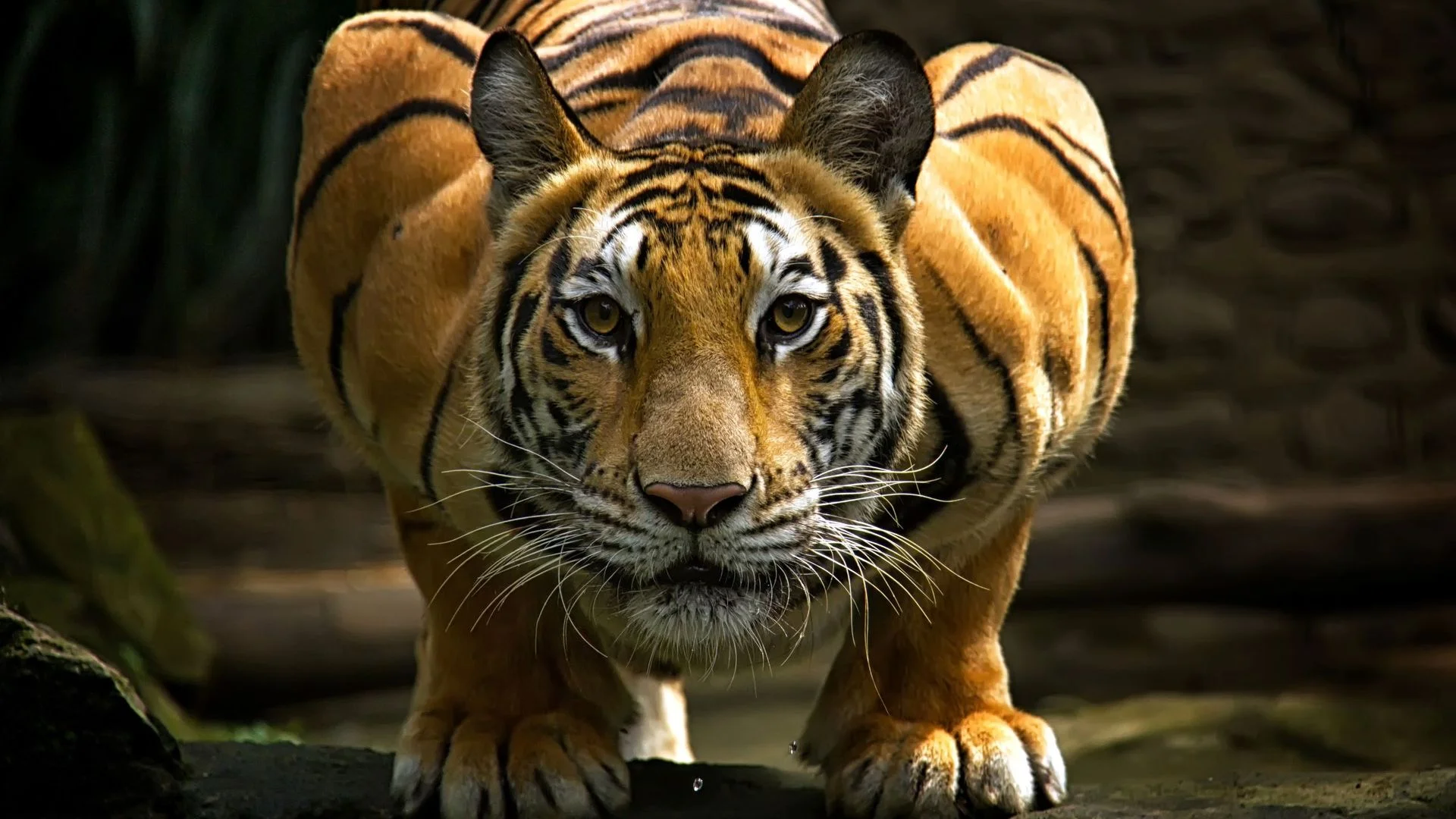
Calls and colors as tools for misleading
The fork-tailed drongo, a bird known for deceiving meerkats, uses alarm calls to make them flee and leave food behind. It can switch among different calls and imitate other bird species. O’Hanlon sees this as a familiar social trick delivered with a bird’s flexible vocal toolkit. He doesn’t yet know whether drongos inherit the behavior or learn it, but birds often learn calls from parents and social groups; some begin listening before they hatch.
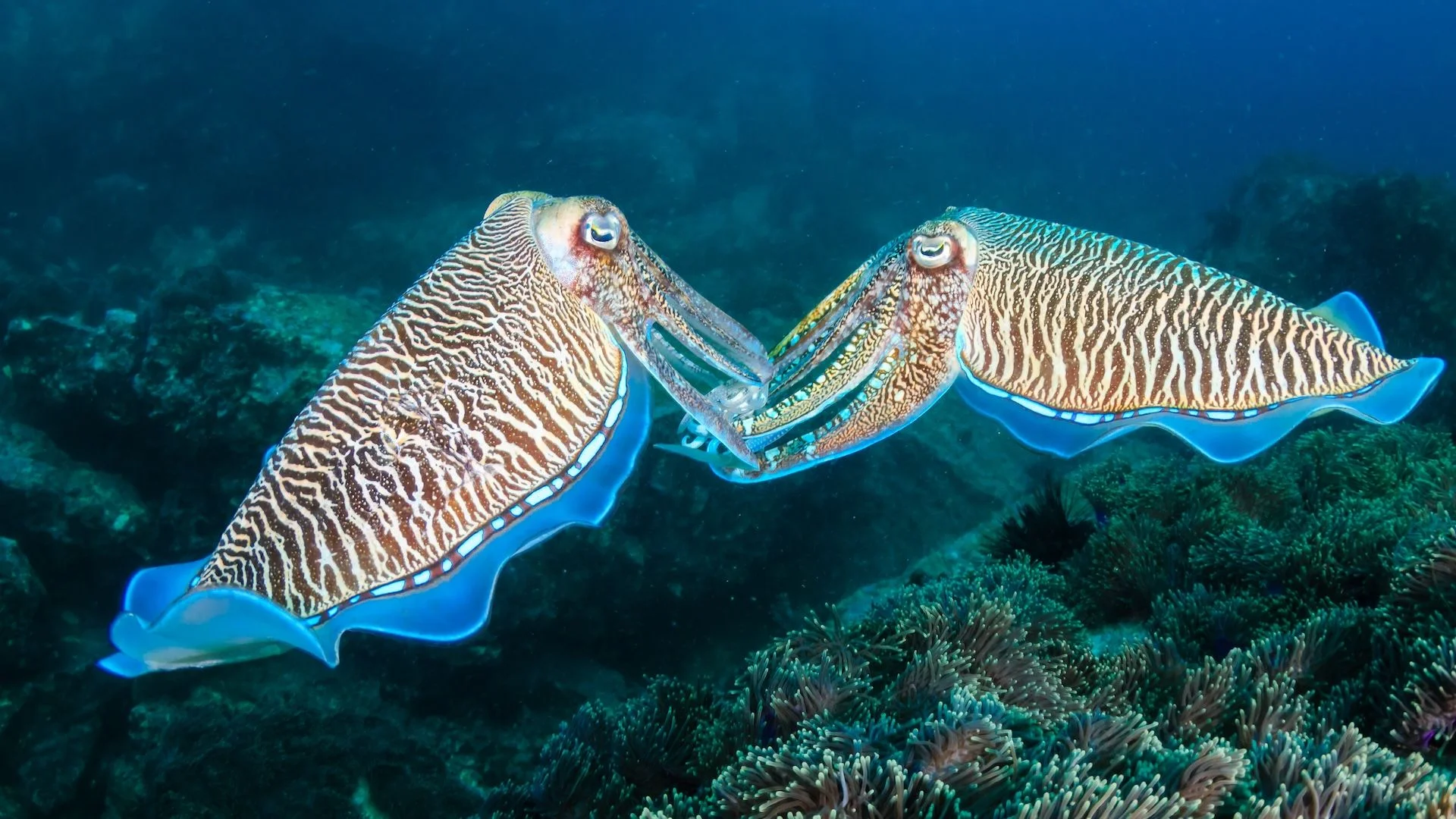
Another striking case comes from cuttlefish. A male can display male patterns on one side of its body and female patterns on the other, apparently fooling rival males while courting. The findings drew skepticism, O’Hanlon says, in part because the animal was an invertebrate. He worked with the species as a student, watching its color changes without knowing what they might mean. Later research gave him a personal “lightbulb moment”: scientists had identified a behavior he’d once observed without understanding.
Scientific caution has its own blind spots
O’Hanlon isn’t arguing that scientists should assume animals think exactly as people do. He’s questioning whether the effort to avoid anthropomorphism can turn into an assumption that human-like abilities belong only to humans. He says researchers studying cuttlefish deception encountered resistance to the idea that a small invertebrate could pull off such a complicated social maneuver, despite evidence that appeared comparable to examples in mammals.
His preferred approach is to weigh observable behavior and consider similarities across species, while staying honest about what researchers can’t know. No one can directly see what’s happening inside an animal’s brain. That uncertainty matters, but it doesn’t make behavioral evidence meaningless.
O’Hanlon compares the debate with the study of animal pain. Scientists once worried that recognizing pain in other species meant projecting human experience onto them. As evidence accumulated, he says, the case for shared experience became harder to dismiss. The broader lesson is to avoid treating human difference as the default explanation when animals show behavior that looks familiar.
And what’s his direct answer to the central question? “Yeah. I’ll give a straightforward yes, because I can.” His professional instinct is to qualify the claim; outside that mindset, he’s willing to say what the accumulated examples suggest. The useful takeaway is to treat animal deception as a serious possibility while continuing to ask what the behavior shows—and what it can’t yet tell us about intent.
- This psychologist has a new theory for why orcas keep attacking boats
- Photojournalist Steve Winter on his iconic Hollywood puma image, the illegal tiger trade and having a black panther knock on his door
- 'The Russians were the problem in the end': Sailor Matt Rutherford on being intercepted by the FSB while attempting to circumnavigate the Arctic Ocean solo
O’Hanlon’s book, Liars, Cheats and Copycats: Trickery and Deception in Nature, examines how camouflage, mimicry and other forms of deception help organisms avoid predators, attract prey and reproduce. The publisher’s book page is available here.
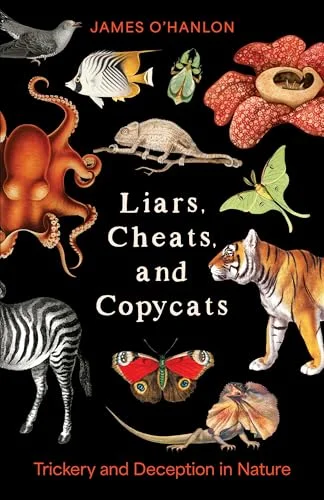
To understand how these creatures swindle their way to survival, Liars, Cheats, and Copycats reveals the science behind camouflage, mimicry, and masquerade. Taking readers on a journey from tropical rainforests to the darkness of deep ocean trenches, James O’Hanlon explores how animals and plants use deception to avoid predators, lure in prey, and even reproduce.


