A store built around an idea
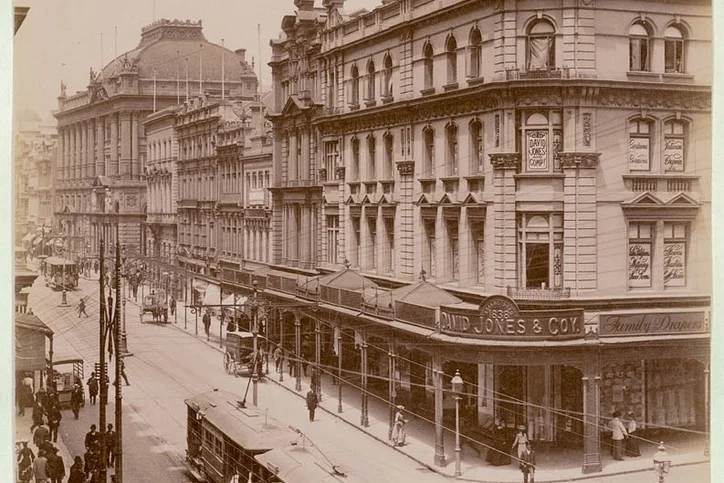
David Jones opened his Sydney drapery in 1838, on the corner of George and Barrack Streets. The Welsh immigrant’s ambition was to offer “the best and most exclusive goods.” The business became a “universal provider” in 1876, part of a department store model that would dominate Australian retailing through the mid-20th century. Macquarie University retail historian Matthew Bailey says department stores also helped shape Australian industry: in the early 20th century, many ran their own manufacturing plants. David Jones’ history, then, is tied to more than shopping. 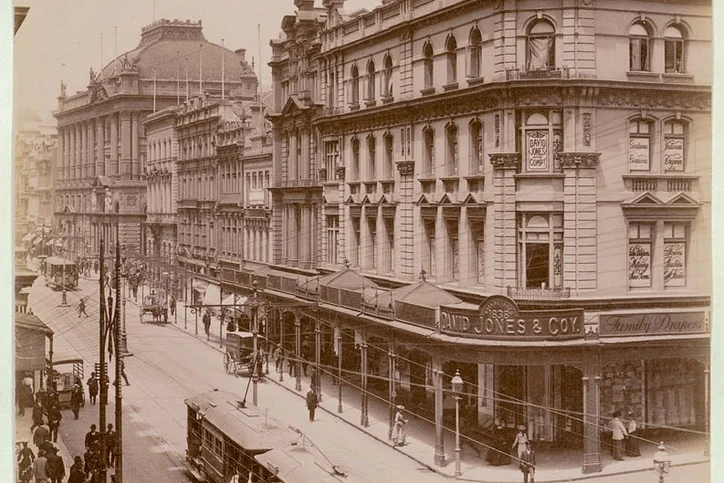 *David Jones’ first store on George Street, Sydney, at the corner of Barrack Street. Tram to Dulwich Hill. Supplied: State Library of New South Wales.* 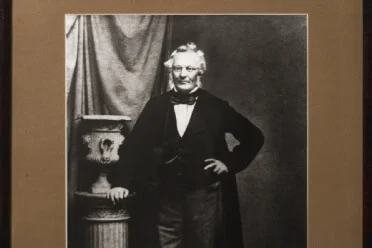 *David Jones himself. Supplied: David Jones.* The family expanded the promise beyond tailoring. In the 1870s, David’s son Edward imagined customers browsing luxury accessories and eating gourmet meals while their clothes were being made. The store’s signature wasn’t just what it sold; it was the time and attention it asked customers to spend there.The patron of the arts
That approach reached its fullest expression under Sir Charles Lloyd Jones, David’s grandson and the last member of the family to lead the company. An artist with a business instinct, he connected the store to the worlds of design and culture. A biography in *Smith’s Weekly* described his work as “instinct with artistic niceness,” while calling him a business magnate recognised across three continents. 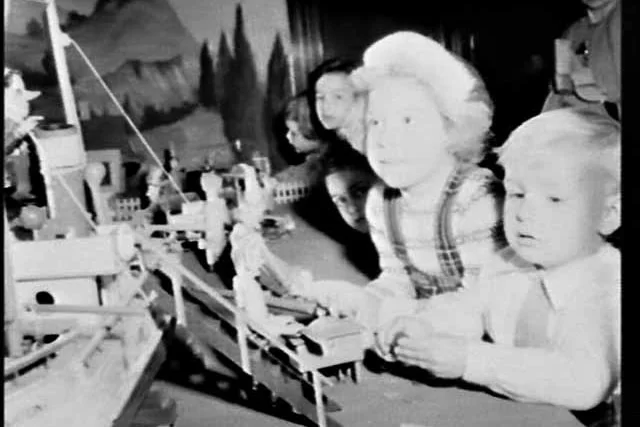 *David Jones’ Toyland brought joy to children. Supplied: Mitchell Library, State Library of New South Wales.* 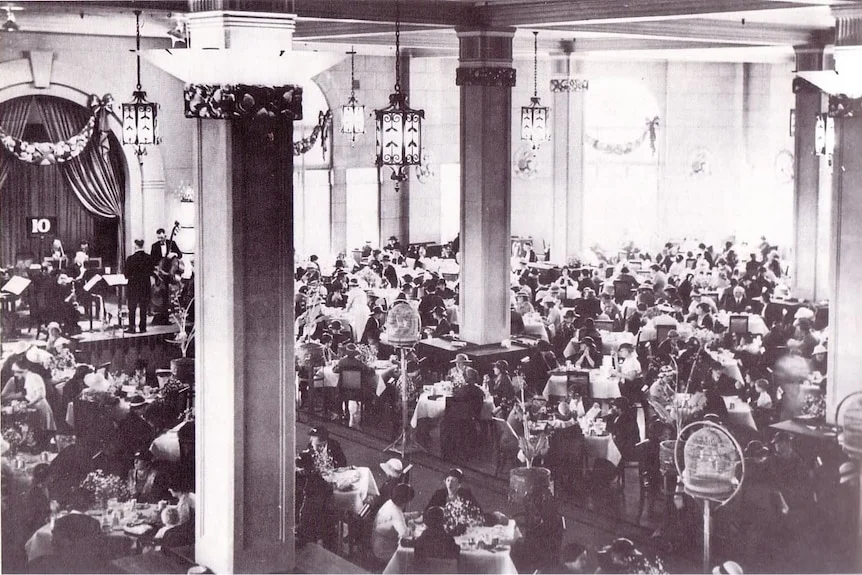 *The David Jones Grand Restaurant was a place to be seen. Supplied: David Jones Archive.* 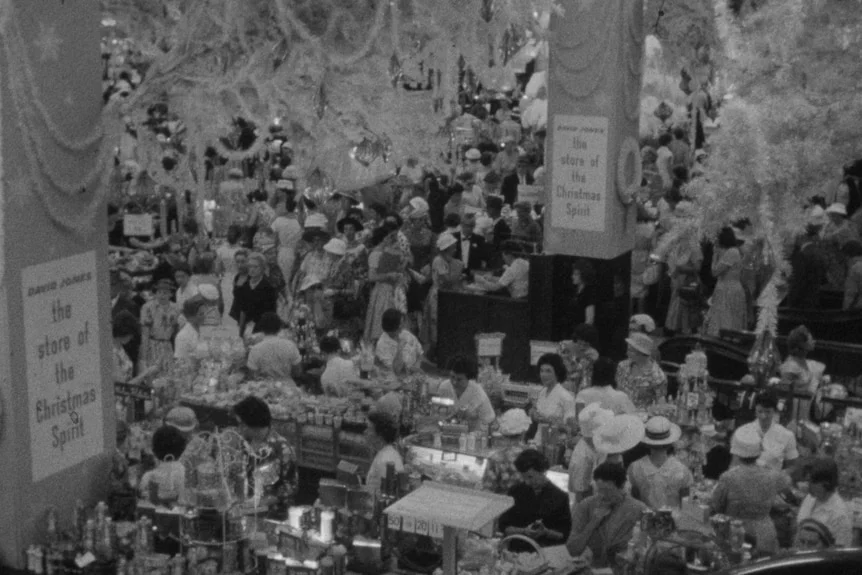 *David Jones at Christmas in 1962. ABC News.* 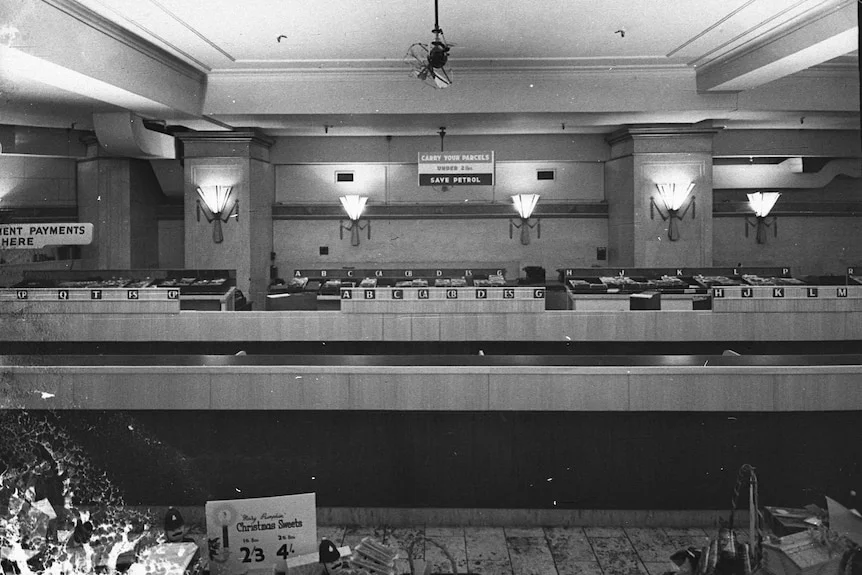 *The lay-by department in 1941. Supplied: Mitchell Library, State Library of New South Wales.* Sir Charles travelled internationally to bring fashions and products back to Australia. He opened the Elizabeth Street store in Sydney, founded the David Jones Art Gallery, reshaped the company’s advertising and built links with artists and department stores overseas. University of New South Wales design historian Mark Ian Jones points to the combination of “beautifully designed stores” and “beautiful products” as a defining feature of the retailer’s heyday. The reach was striking. Queen Elizabeth II and Prince Philip visited the Elizabeth Street store in 1954, and the Queen and Prince Philip also dined in the Great Restaurant on level seven during a state banquet. Sir Charles’ 38 years as chair included fashion parades featuring Pierre Balmain and Christian Dior, alongside exhibitions centred on Sweden, Italy and Britain. 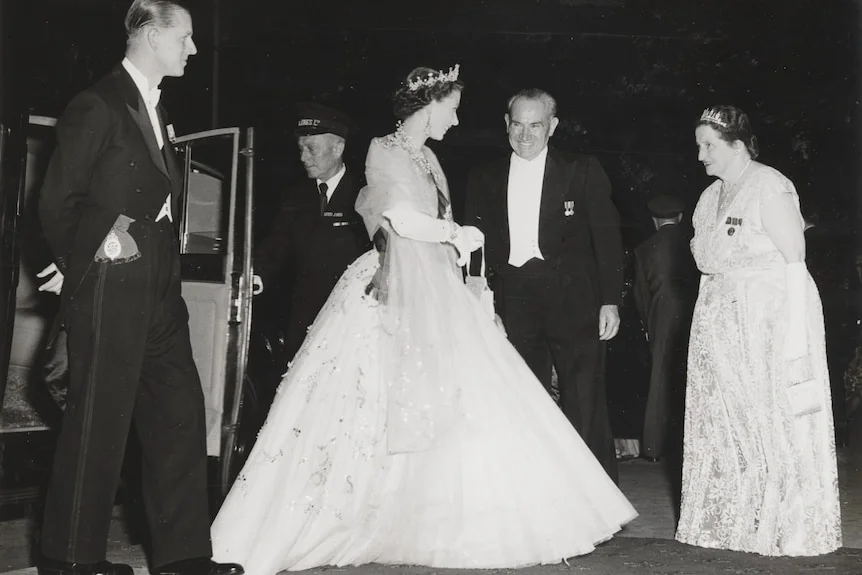 *Queen Elizabeth II and Prince Philip visited the David Jones Elizabeth Street store in 1954. Supplied: State Library of NSW.* 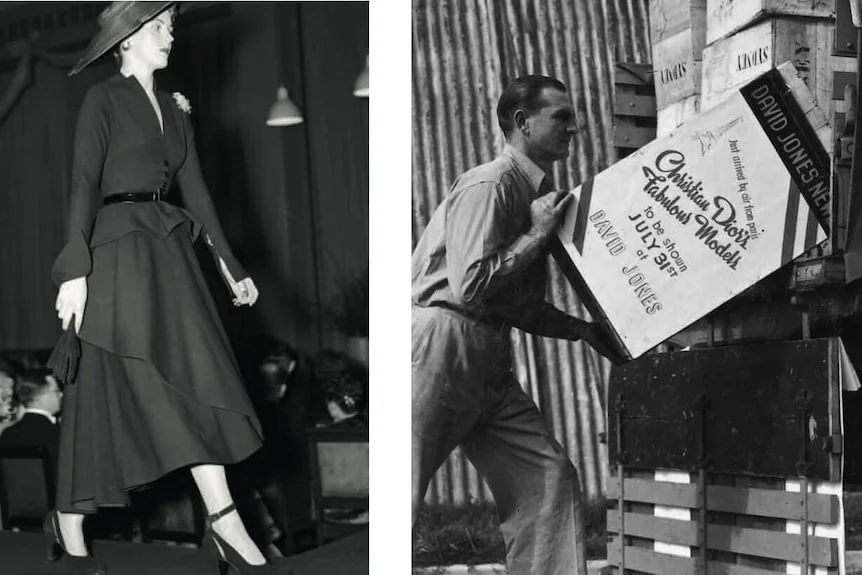 *Sir Charles Lloyd Jones’ passion brought Pierre Balmain and Christian Dior to David Jones. Supplied: David Jones.* Here’s the thing: the store’s prestige came from a whole experience, assembled over generations. If you’re trying to understand why its current struggles resonate, that history helps explain what’s at stake when service and expertise fade.Charles Lloyd Jones saw David Jones as more than a retailer. Addressing the Royal Historical Society in 1955, he described a store that brought fashion, art and education together under one roof:
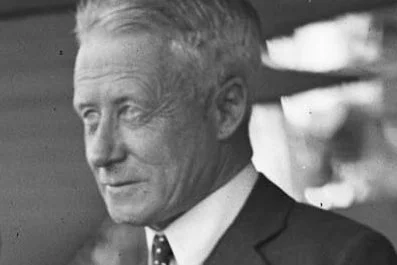
“We keep the public up-to-the-minute in the realms of fashion.
“We have art exhibitions, and thus add to the culture of the community.
“We have shows of various kinds which help to educate the people in better taste.
“People come to David Jones’s to see all these new ideas, for they find under our roof the treasures of the world.”
A wondrous occasion
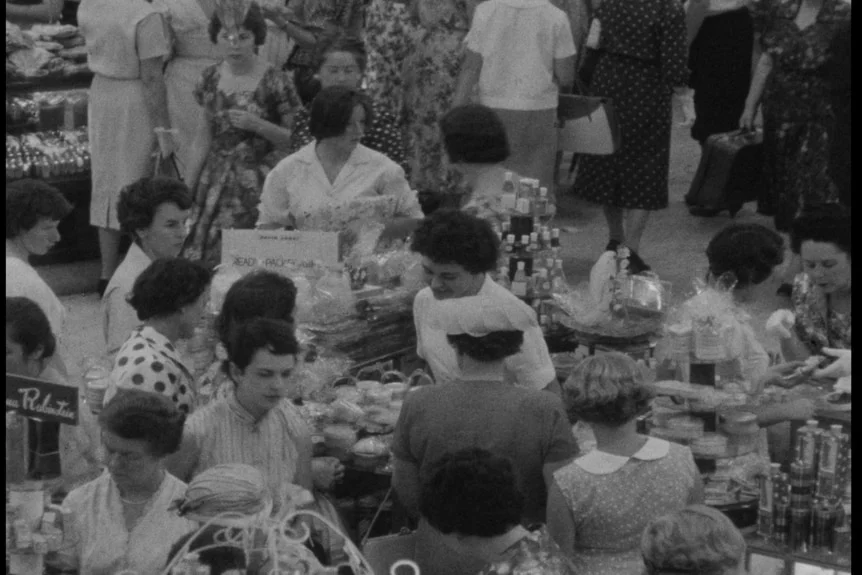
The department store’s lasting pull wasn’t only what people could buy. For many Australians, a visit to David Jones was a day out, with its own rituals and sense of theatre.


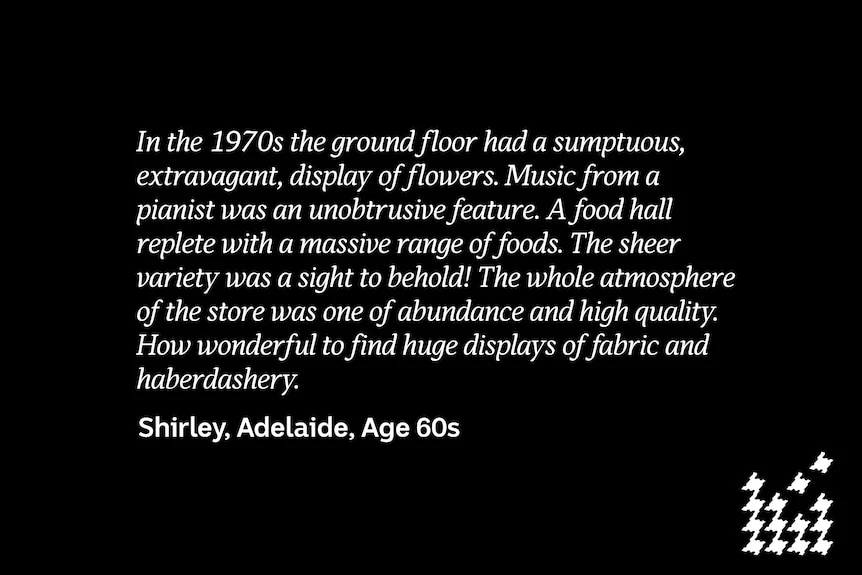
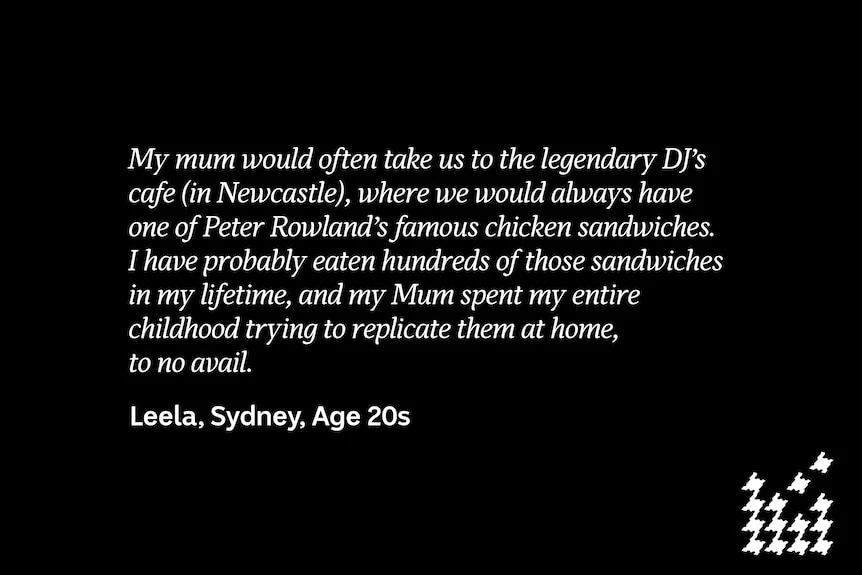
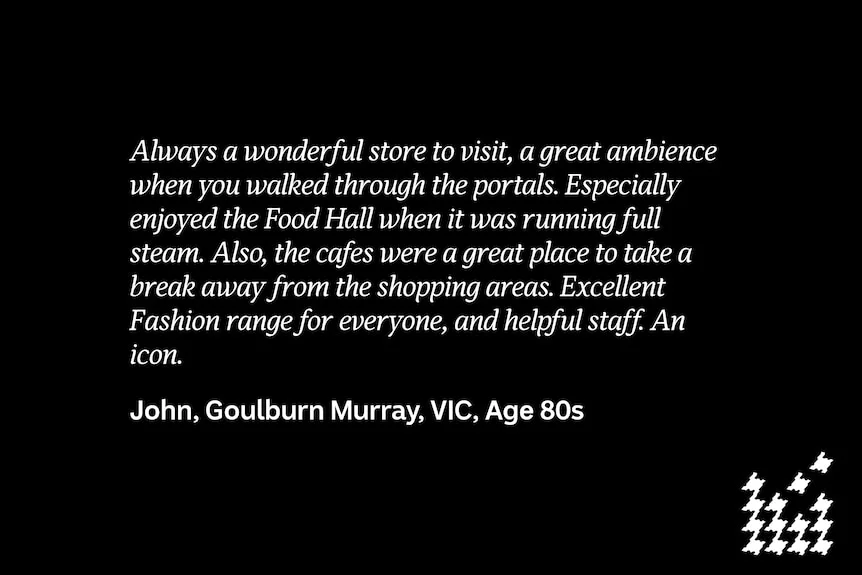

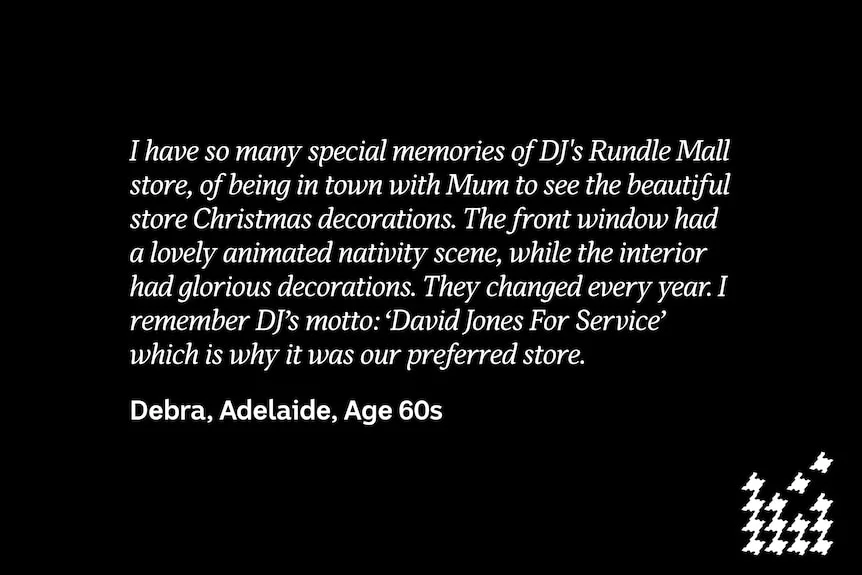
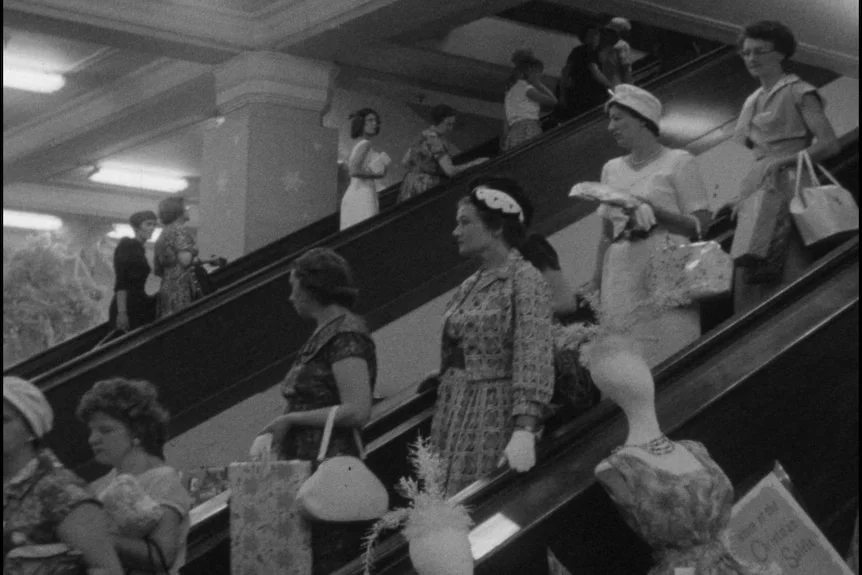
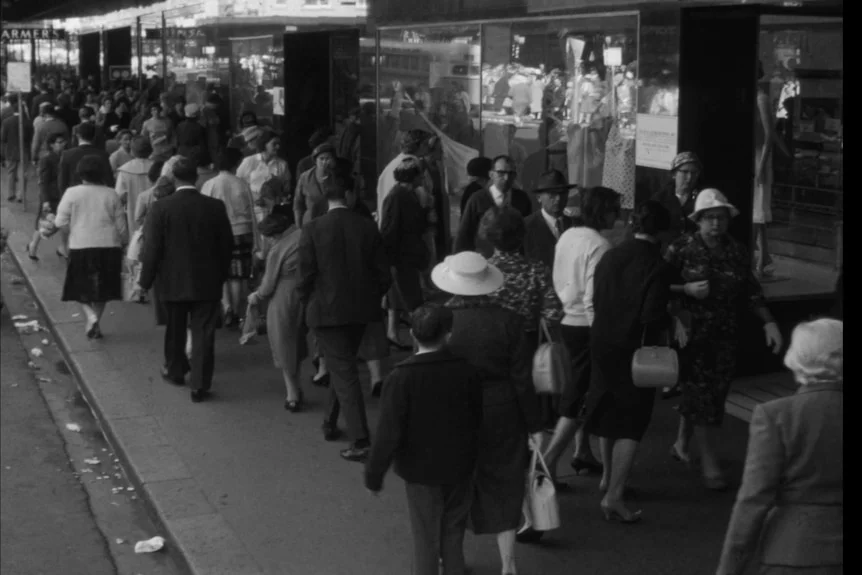
Historian Dr Bailey describes the familiar trip into the city: dressing up, going with your mother, perhaps an aunt or grandmother, and giving the outing a whole day. The escalators, toy department and food halls were part of the experience. That’s more significant than it may sound: the store offered a shared public occasion, not just a place to shop. Bailey says that kind of visit is now far less common.
The shop window was part of the destination
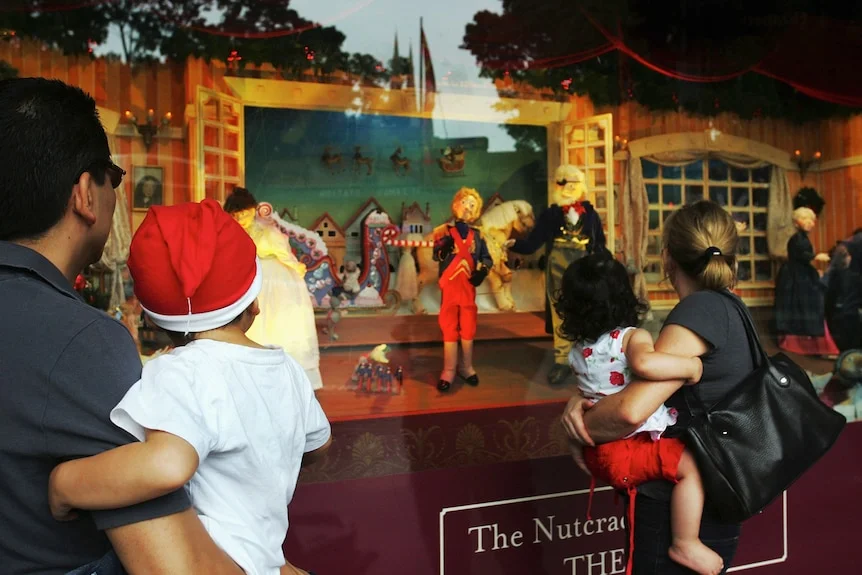
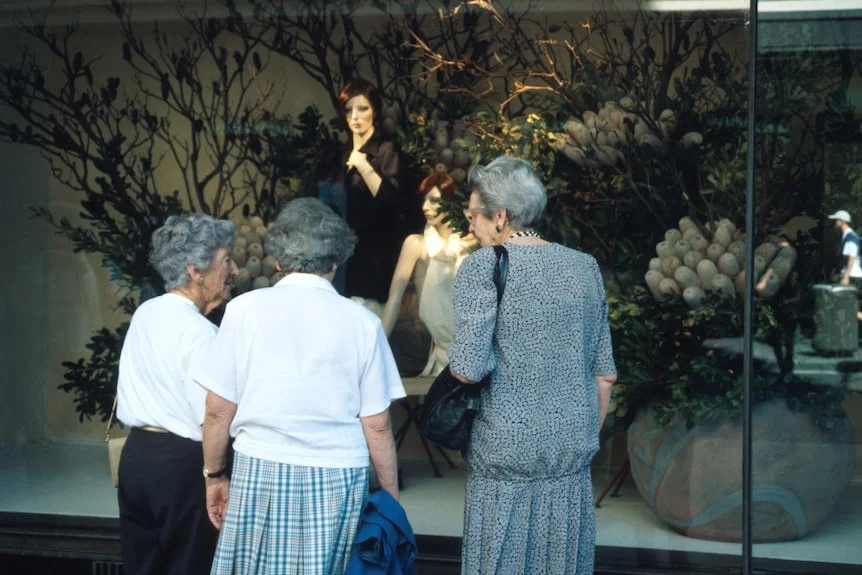
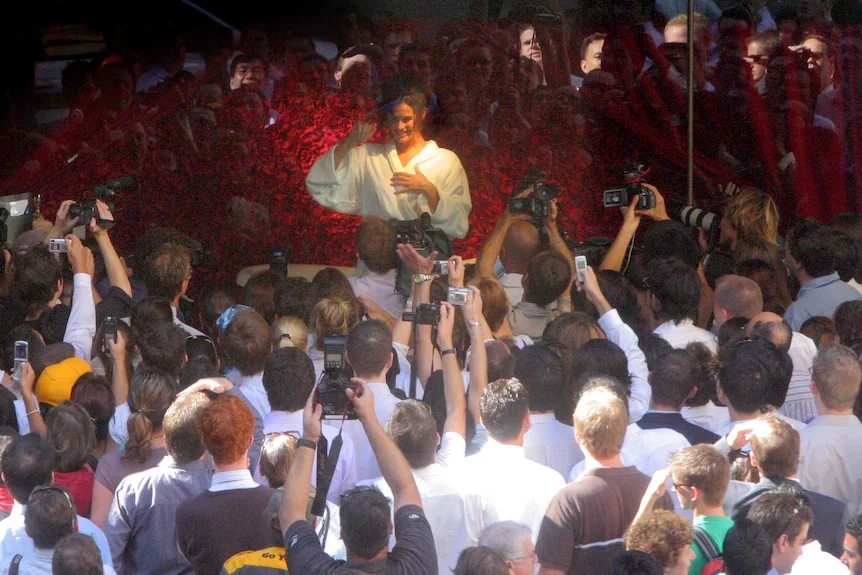
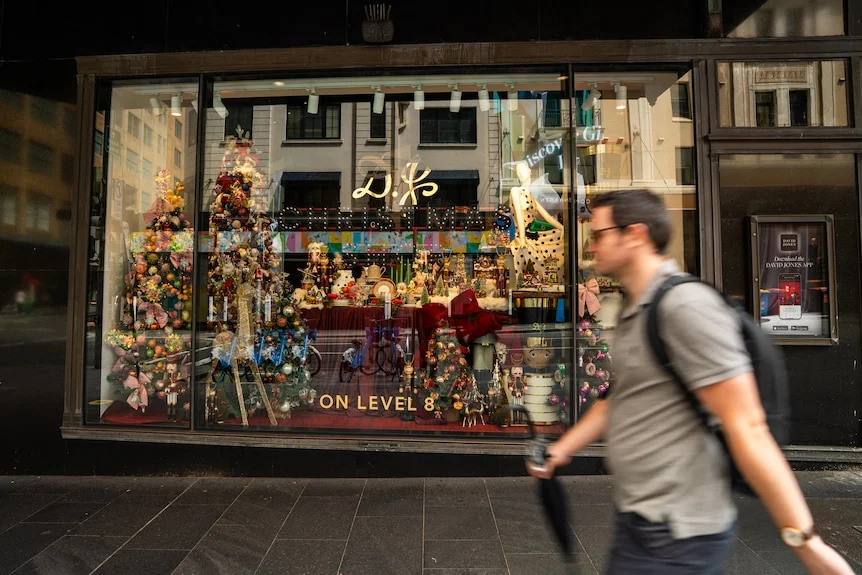
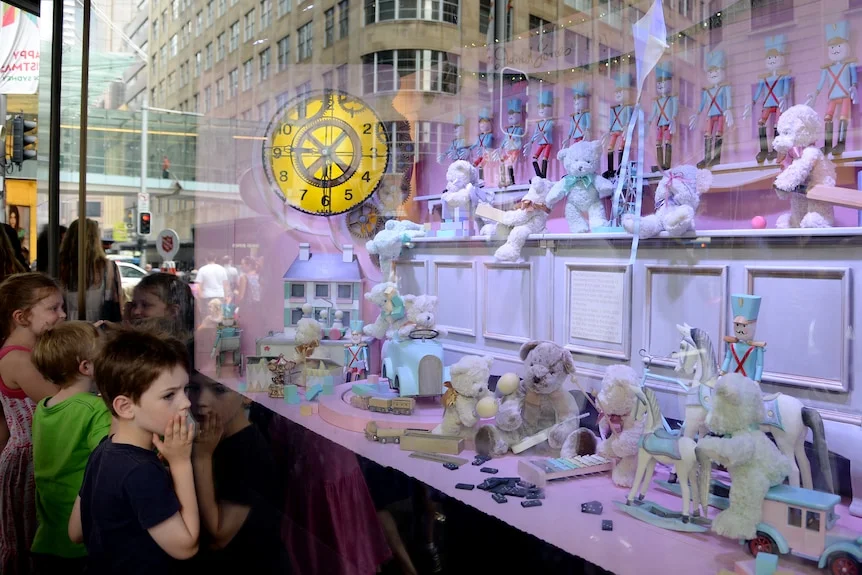
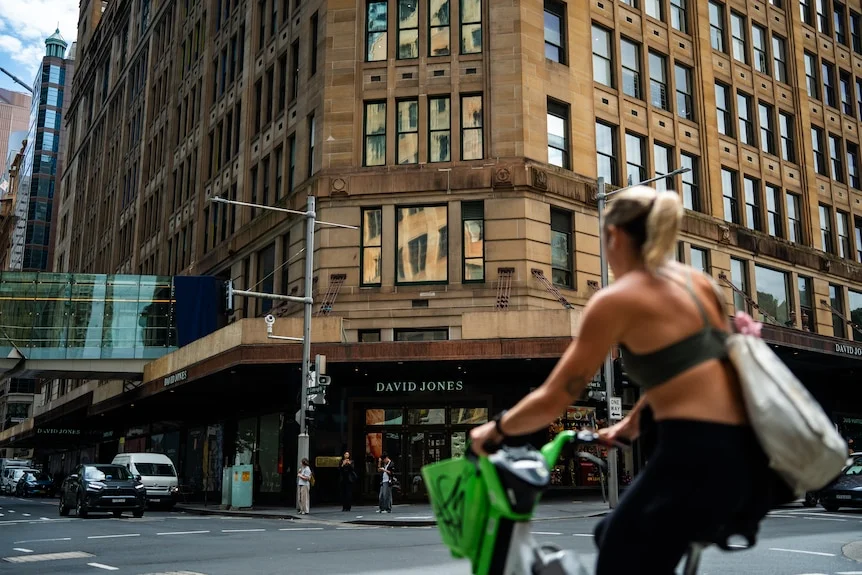
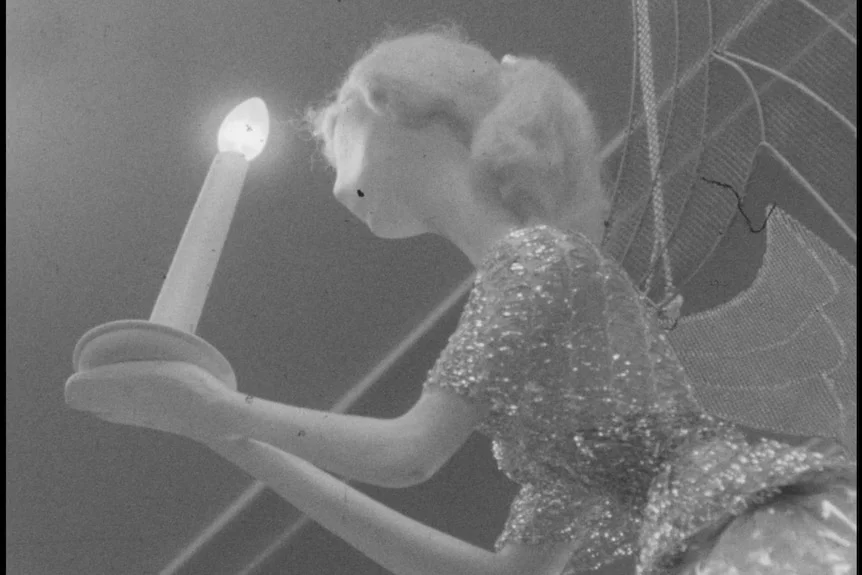
David Jones’s Christmas windows did more than advertise what was for sale. They gave people a reason to head into the city, stop on the footpath and look. Some displays even featured live models, including Megan Gale. Theatre set designers often shaped the scenes, and the store made a bigger spectacle of them during the Christmas season. That experience is the point. Retailers now talk about giving shoppers a reason to visit in person; David Jones had made its windows part of the outing. If you’re working in retail, the lesson is straightforward: the store can begin selling the moment someone pauses outside.