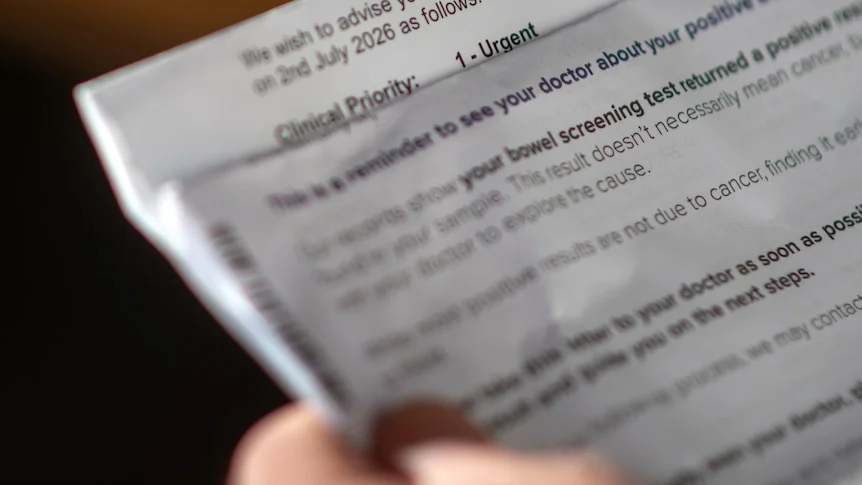
Tasmania’s endoscopy backlog is more than a scheduling problem: a delayed procedure can be followed by another long wait for results, specialist review and treatment. Nearly 4,000 people were on the urgent public waitlist in June, and doctors say those gaps can worsen patients’ health.
Hamish*, from the state’s north-west, knows how the delays can compound. After bleeding in March, he was referred for a colonoscopy at Mersey Community Hospital in Latrobe as a Category One patient, a category that calls for care within 30 days. He waited almost four months.
The procedure led to a diagnosis of inflammatory bowel disease, a chronic condition with no cure. Hamish was then placed on a public waitlist to see a gastroenterologist and start treatment. Months passed without contact from the hospital, so he paid to see a specialist privately.
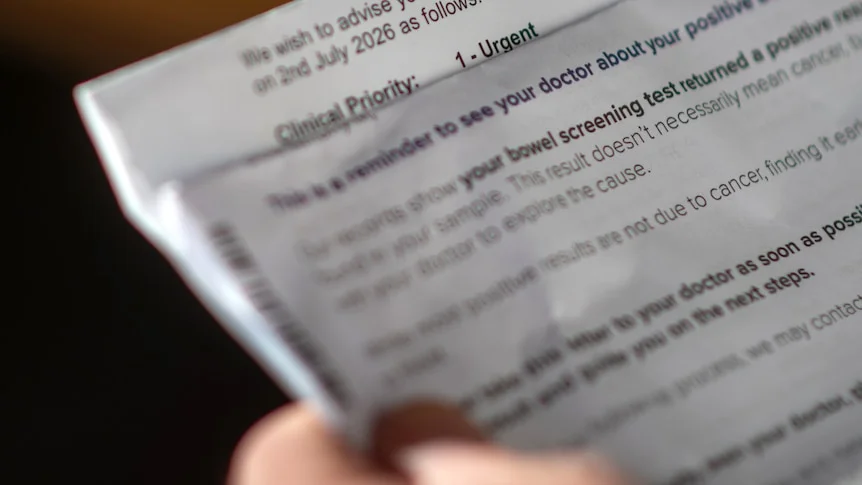
At that appointment, Hamish recalls, the gastroenterologist looked at his case and said, “oh no, this is not good, this is not good”. Hamish says the specialist warned that leaving the condition untreated for longer could raise the chance of bowel cancer. The gastroenterologist told the ABC that a further delay might have meant removing part of Hamish’s bowel and living with a colostomy bag for the rest of his life.
Waiting beyond the procedure
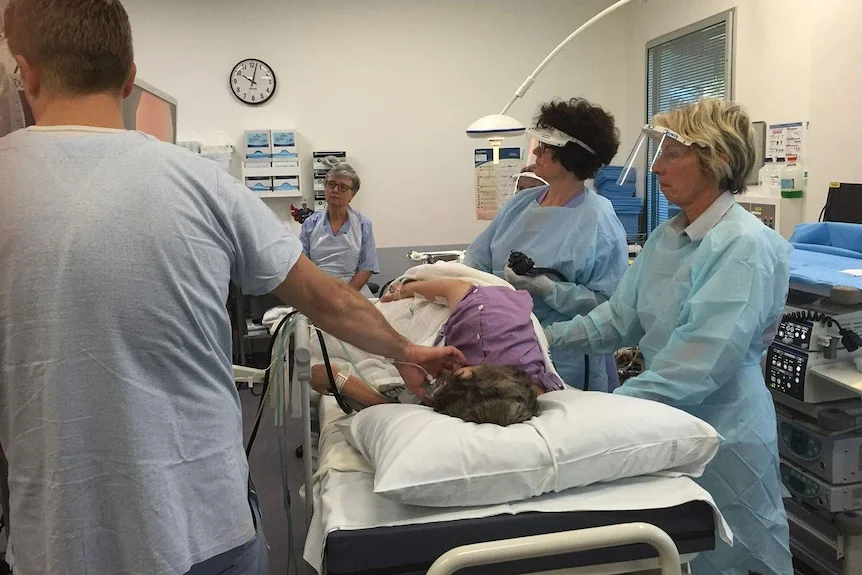
The backlog extends into follow-up care. At Mersey, more than 1,000 patients are reportedly on the planned review list, waiting for their endoscopy results to be assessed and treatment to begin. Endoscopies use a camera to examine the digestive tract; patients may still need a specialist after the test to interpret findings and decide what happens next.
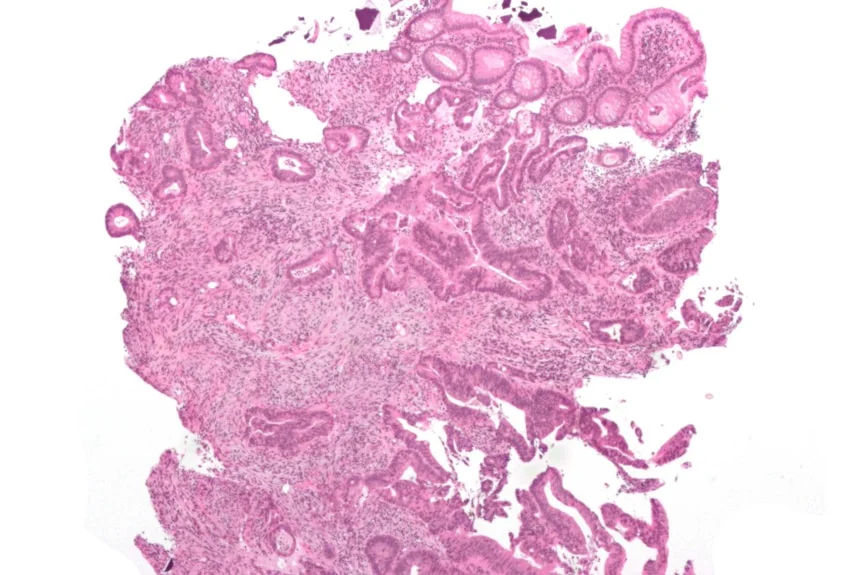
For gastroenterology outpatient appointments at Mersey, Category One patients wait nearly a year, while less urgent patients can wait more than two years. At Launceston General Hospital, the stated wait is 505 days for Category One and almost three years for Category Two.
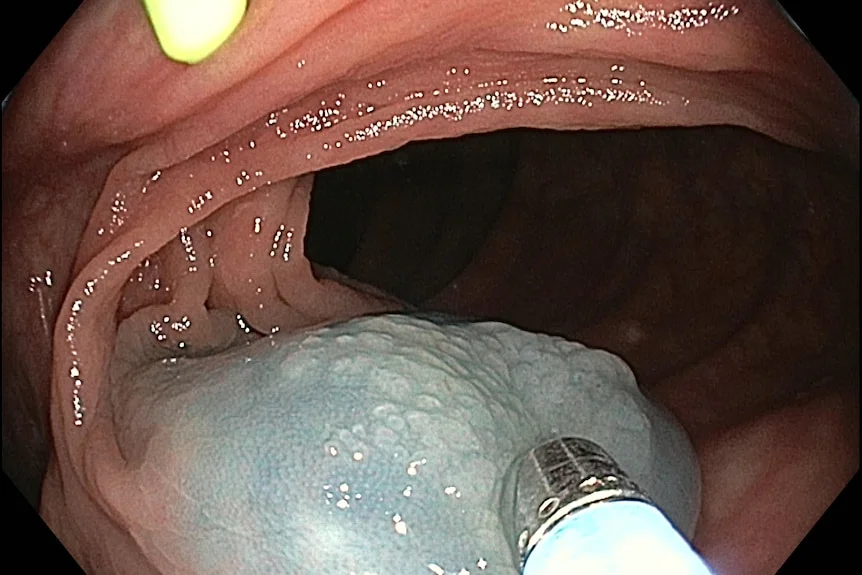
A gastroenterologist told the ABC that some patients’ health has deteriorated while they waited. Australian Medical Association incoming president Meg Creely said delayed care for conditions such as inflammatory bowel disease can mean more advanced illness by the time treatment starts, as well as months of disruption to everyday life.
Here’s the thing: getting the procedure done is only one part of the pathway. If specialist review and treatment remain backed up, clearing a test waiting list may not resolve the risks patients face.
Staffing and the proposed funding
Labor health spokesperson Sarah Lovell argues that a shortage of gastroenterologists in the public system is central to the problem. She says procedures are being performed without specialist gastroenterologists, leaving fewer specialists available to interpret results and provide follow-up. Lovell also says operating theatres at Mersey are sitting unused because the specialists needed to perform procedures aren’t there.
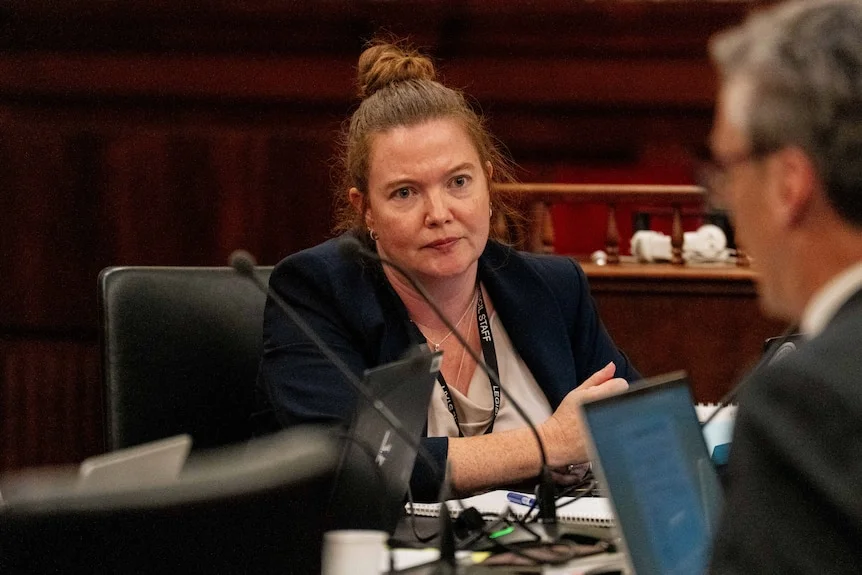
Lovell says the state needs to attract specialists into public hospitals and retain them, so patients can receive care from the procedure through to follow-up.
The government has announced $40 million for endoscopies, with a target of clearing the Category One waitlist by June 2028. The exact plan hasn’t been set out; some work may be sent to private providers. The AMA welcomed the funding, while Creely questioned how the government will manage delays in results and treatment after procedures are completed. That unanswered part matters: extra procedure capacity won’t, on its own, guarantee faster care through the rest of the pathway.


