Timothy Dalton’s tougher Bond divided audiences, while Pierce Brosnan updated the series for a changing world before Daniel Craig faced new action-film expectations.
This fragment contains enough substance to rewrite, but it conflicts with your “OPENING section” scope: it includes the introduction and three historical eras, from Connery and Lazenby through Timothy Dalton. Your instructions also require preserving every factual link and image tag.
Should I rewrite the entire fragment, or only its opening section through the introduction?Timothy Dalton’s Bond films remain a telling detour: tougher and less camp than the series had been, they made money overseas but struggled to win US audiences. *The Living Daylights* faced competition from hits including *Beverly Hills Cop II*, *Lethal Weapon*, *Predator* and *RoboCop*. *Licence to Kill* was the franchise’s lowest-grossing film, despite performing better internationally; in the US, it landed in a crowded 1989 field that included *Batman*, *Lethal Weapon 2*, *Tango & Cash* and *Black Rain*. Many fans rejected Dalton’s harder-edged 007. Others still consider his brief run the series’ best.
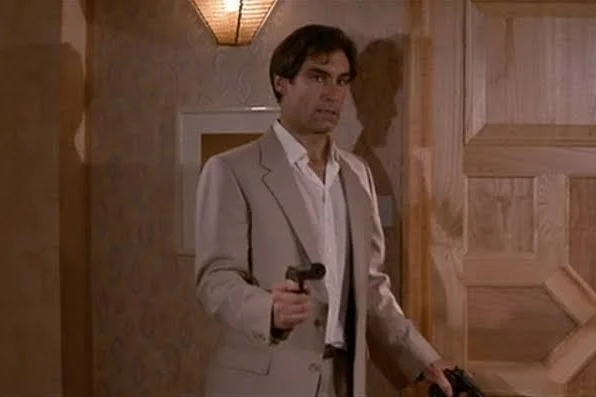
*Timothy Dalton lasted just two films as James Bond. (Supplied: MGM)*
## Brosnan brings Bond back
After a six-year gap, Pierce Brosnan returned Bond to cinemas in 1995, tuxedo and shaken martini in hand. The world around 007 had shifted: the Cold War was over, computers were reshaping daily life, and sexual harassment was receiving overdue public attention. Bond’s producers wanted to bring in a younger audience while still appealing to parents who had grown up with Sean Connery and Roger Moore.
Judi Dench’s M made the update explicit, calling Bond a “sexist, misogynist dinosaur” and “a Cold War relic.” The films’ treatment of women improved, but the shift was uneven. Denise Richards played a nuclear physicist in short shorts in *The World Is Not Enough* (1999), while Famke Janssen’s Xenia Onatopp in *GoldenEye* (1995) still leaned into broad, knowingly sexualised villainy. The series wanted to signal change without giving up all its old pleasures.
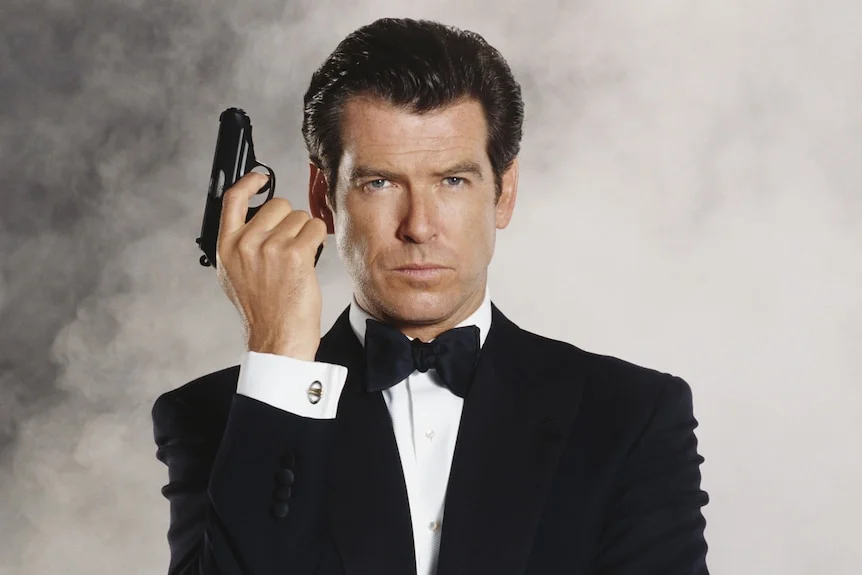
*Pierce Brosnan took over as James Bond in the 90s. (Supplied: MGM)*
The other major shift came from computer-generated imagery. *Jurassic Park* had helped make CGI a defining force in filmmaking, and Bond adopted it through the Brosnan films, sometimes at the expense of practical stunts. *GoldenEye* opened with a spectacular bungee jump from a dam, and *Tomorrow Never Dies* (1997) brought in Michelle Yeoh and a motorbike chase through Bangkok, reflecting the pull of Hong Kong action cinema.
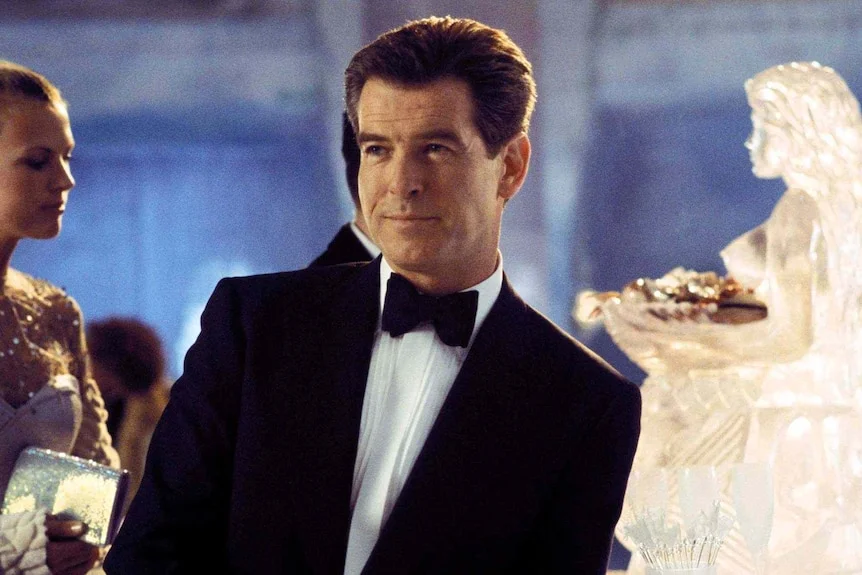
*Pierce Brosnan played James Bond in four films. (Supplied: MGM)*
By *Die Another Day* (2002), the effects had begun to overwhelm the film. Its finale piles on laser beams, an invisible car, big-wave surfing and an ice palace until spectacle starts to feel like the point. Bond then disappeared for four years.
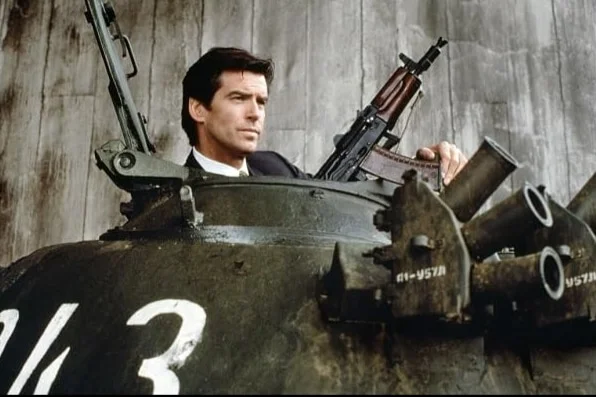
*Brosnan as Bond in a famous sequence from his debut, *GoldenEye*. (Eon Productions)*
## Craig answers the Bourne challenge
Between Brosnan’s last film and Daniel Craig’s first, Jason Bourne reset expectations for screen spies. Drawn from Robert Ludlum’s novels, the character took shape through Matt Damon’s performance and the direction of Doug Liman and Paul Greengrass. The films favoured improvised tradecraft, rapid editing and handheld camerawork over Bond’s gadgets, grand villains and effects-heavy set pieces.
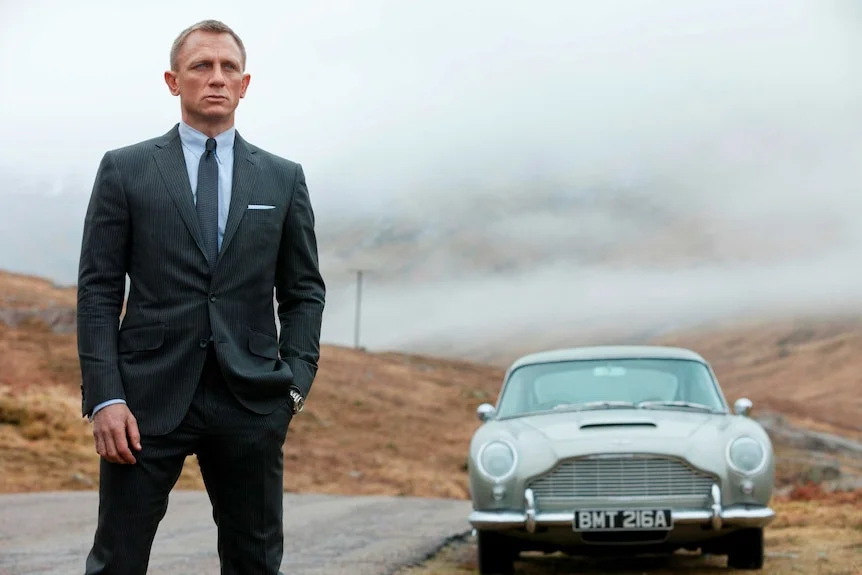
*Daniel Craig as Bond in *Skyfall*. (Supplied: ©2012 Danjaq/United Artists/Columbia Pictures)*
When *Casino Royale* arrived in 2006, Bond had clearly absorbed some of that lesson. Craig’s first outing stripped back the gadgets and showy digital effects, but it kept the ingredients that made Bond distinct: the polished charm, the drinking and gambling, and a villain who could be both strange and frightening. Mads Mikkelsen’s Le Chiffre and the film’s parkour chase helped make the reboot feel grounded without making it feel like a Bourne imitation.
The Craig films kept working that balance. They treated women with greater seriousness while retaining familiar Bond iconography, then gradually brought back gadgets, customised cars and casual sex. Alongside those callbacks, the series built a longer story and took bigger visual swings, from the extended opening of *Spectre* (2015) to the silhouetted fight in *Skyfall* (2012). Craig’s final appearance in *No Time to Die* (2021) gave him a send-off that ranks among the strongest for any Bond actor.
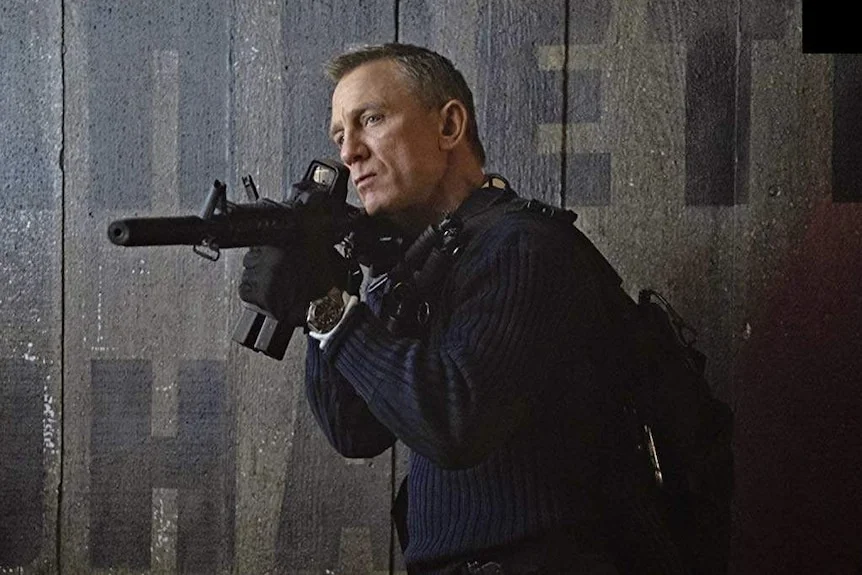
*Daniel Craig as Bond in *No Time to Die*. (Supplied: IMDb)*
## What comes next?
Bond has always had rivals, but *Mission: Impossible* has become a more direct challenge. The series began in 1996; its early follow-ups had limited cultural impact, but a revival in 2011 put Tom Cruise’s Ethan Hunt closer to Bond’s commercial and cultural standing. Cruise’s stunts—hanging from planes, scaling the world’s tallest building and riding motorbikes off mountains—also helped restore real-world spectacle to spy films. In recent outings, those practical feats have outshone much of Craig’s later work.
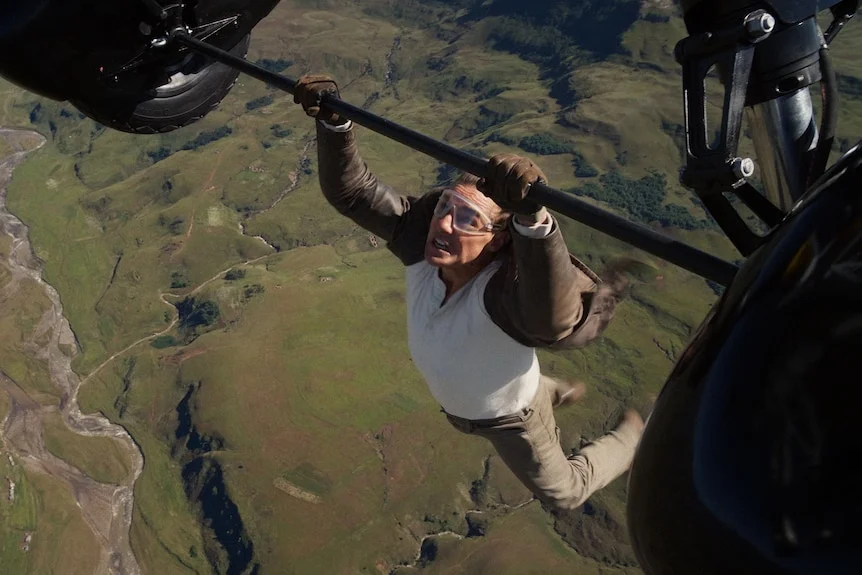
*Tom Cruise helped set a new benchmark for spy films with his stunts in *Mission: Impossible*. (Supplied: Paramount Pictures)*
Then there’s the superhero competition: Black Widow, Captain America and a seemingly endless roster of characters with extraordinary powers occupy much of the same blockbuster territory. Craig’s Bond managed to thrive alongside them, though he inherited an established character with decades of audience recognition behind him.
The next 007 faces a harder test. A Millennial Bond will need to feel contemporary without losing what makes the character Bond—and the franchise hasn’t yet shown what that balance will look like.