
Tamara Carlson expected the first months after her son's death to be the hardest. They weren't. Twelve months on, the grief has settled into something heavier, and she's angry about how little has changed at BlueScope's Port Kembla steelworks.
"It's actually harder to process now than when it first happened," Ms Carlson said. "I think because those first few months you're running on adrenaline and it doesn't sink in. Now it's 12 months on, babies are being born and birthdays are happening, and the kids are saying things how Jack would've said it."
A reline job with a $1.15 billion price tag
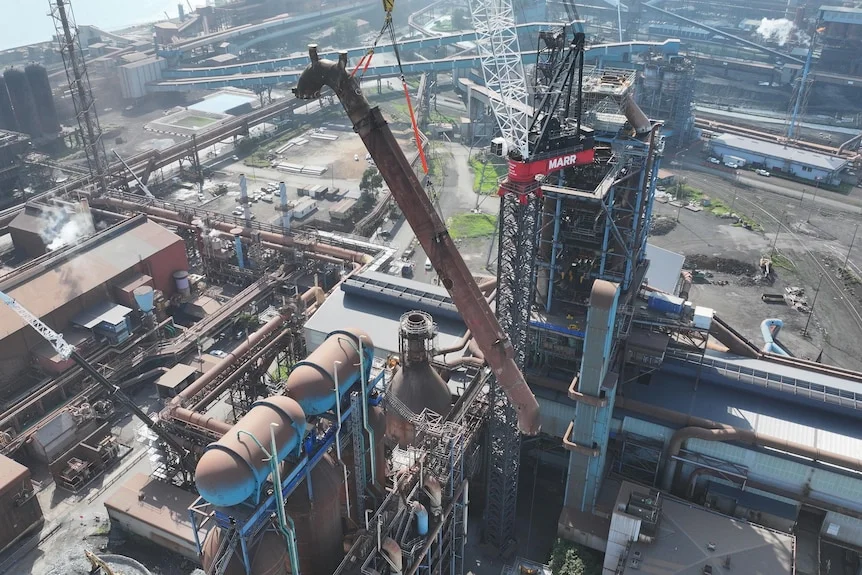
Jack McGrath was a rigger, just days away from his 25th birthday, when a falling beam struck him on November 17, 2025. He was working for Ventia on the reline of BlueScope's number six blast furnace, a project costing the company $1.15 billion and the most expensive in its history.
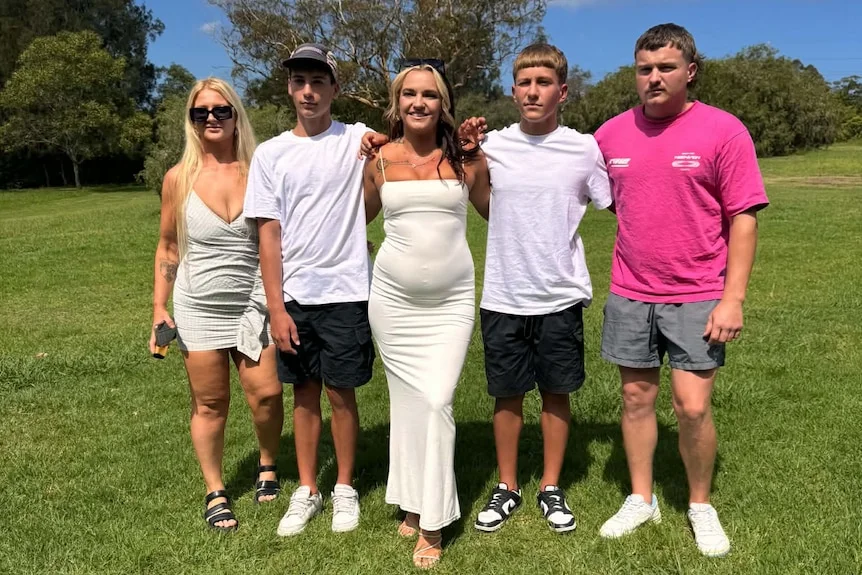
Ms Carlson found out the way no parent wants to. Police officers came to her home, and she had no idea why they were there until they told her.
Promises versus incidents
Ms Carlson was furious about comments BlueScope chief executive Tania Archibald made at the annual general meeting this week, when she said safety was the organisation's top priority. "I'm just angry because they announced that last year too, and clearly they're just empty promises," she said.
"It should have been the focus prior to Jack's death … clearly nothing's improved."
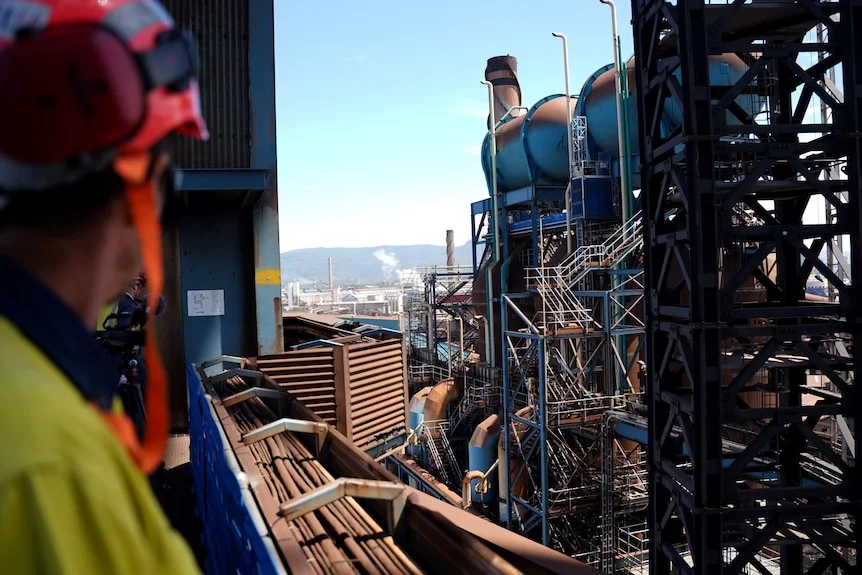
Since Mr McGrath's death, there have been at least six dangerous incidents involving falling tools and building supplies. A injured worker was also hospitalised, and the case was reported to SafeWork NSW.
The CFMEU NSW wrote to the Coroner's Court on Tuesday, the anniversary of Mr McGrath's death. It wants an inquest into whether he died from industrial manslaughter. The union argues an inquest is mandatory because his death may amount to homicide.
"By naming this offence industrial manslaughter, we are of the view that parliament has treated a workplace death caused by the grossly negligent breach of a WHS duty as a form of homicide," the union wrote.
Ms Carlson is backing that call. "We're all for it. Someone needs to be held accountable," she said. "You expect your kids to go to work and their employer look after them fully."
The union's letter points to legislation that created the offence of industrial manslaughter the year before Mr McGrath died. It allows a body corporate to be held responsible for a workplace death caused by "gross negligence", judged by looking at the organisation's conduct as a whole. The maximum penalty is 25 years' jail for individuals and $20 million for a body corporate.
What the investigation can and can't deliver
CFMEU work health and safety officer Marko Petrovic said the union has faced repeated roadblocks in finding out what happened. He argued that an inquest could hand down recommendations that help prevent further tragedies and give Mr McGrath's family and colleagues some closure.
"It's only just the anniversary of Jack's death and really all we've got to see is safety notices, safety alerts and dangerous incidents still happening," he said.
"There was a worker only a few weeks ago who fell off scaffolding and fell 4 metres down."
That 23-year-old scaffolder was working on the same furnace reline. On October 30, he fell into a pipe and was taken to hospital with a hip injury. Two weeks earlier, another worker was hospitalised after his back seized while he was working in a confined space.
SafeWork NSW says it's still investigating the incident that killed Mr McGrath. Investigations can take up to two years, which means the family could be waiting well into 2028 for answers.
BlueScope's response
On Monday, Ms Archibald used her shareholder address to outline a new global safety program. It aims to strengthen hazard controls, training, competency and recruitment. She also said site-specific improvements have been made at Port Kembla.
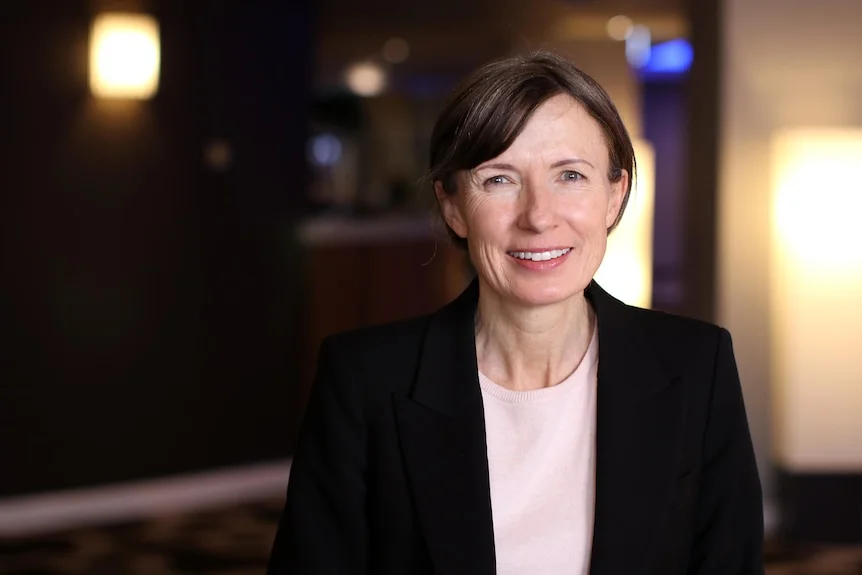
"Clearly our performance is not where it needs to be," Ms Archibald said. "On the reline project, we've put additional resources into auditing and verification, we've also strengthened controls around restraint and dropped objects, and we've undertaken extensive consultation with the workforce."
She said her thoughts were with Mr McGrath's family, friends and workmates. "It does continue to have a tremendous impact across the entire community," she said. BlueScope said in a statement that it continues to cooperate with the SafeWork investigation.
Here's the thing: the company can point to new programs and extra audits, but the measure that matters is simpler. If the next round of incident reports from the reline project looks the same as the last, Ms Carlson's skepticism will be hard to argue with.


